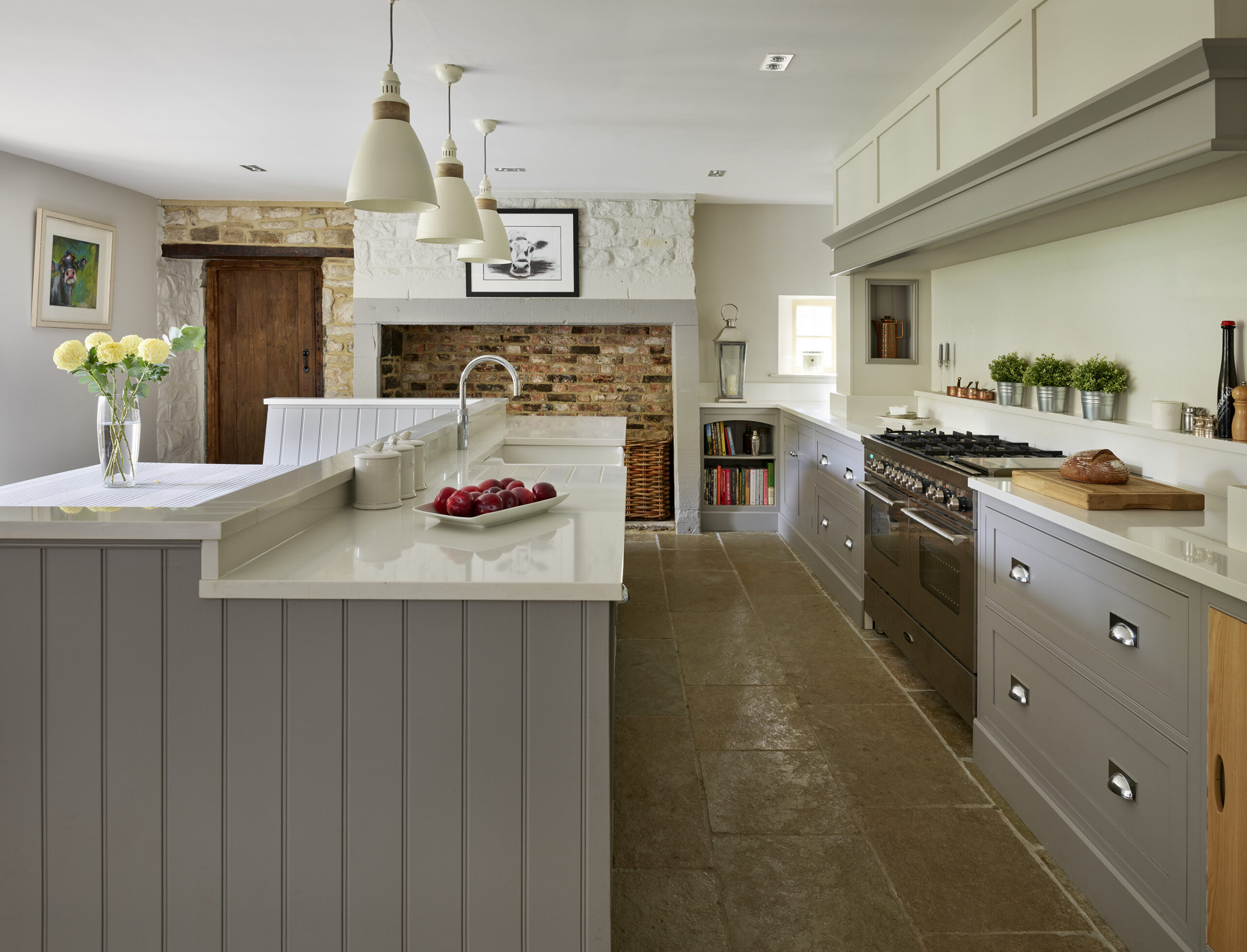
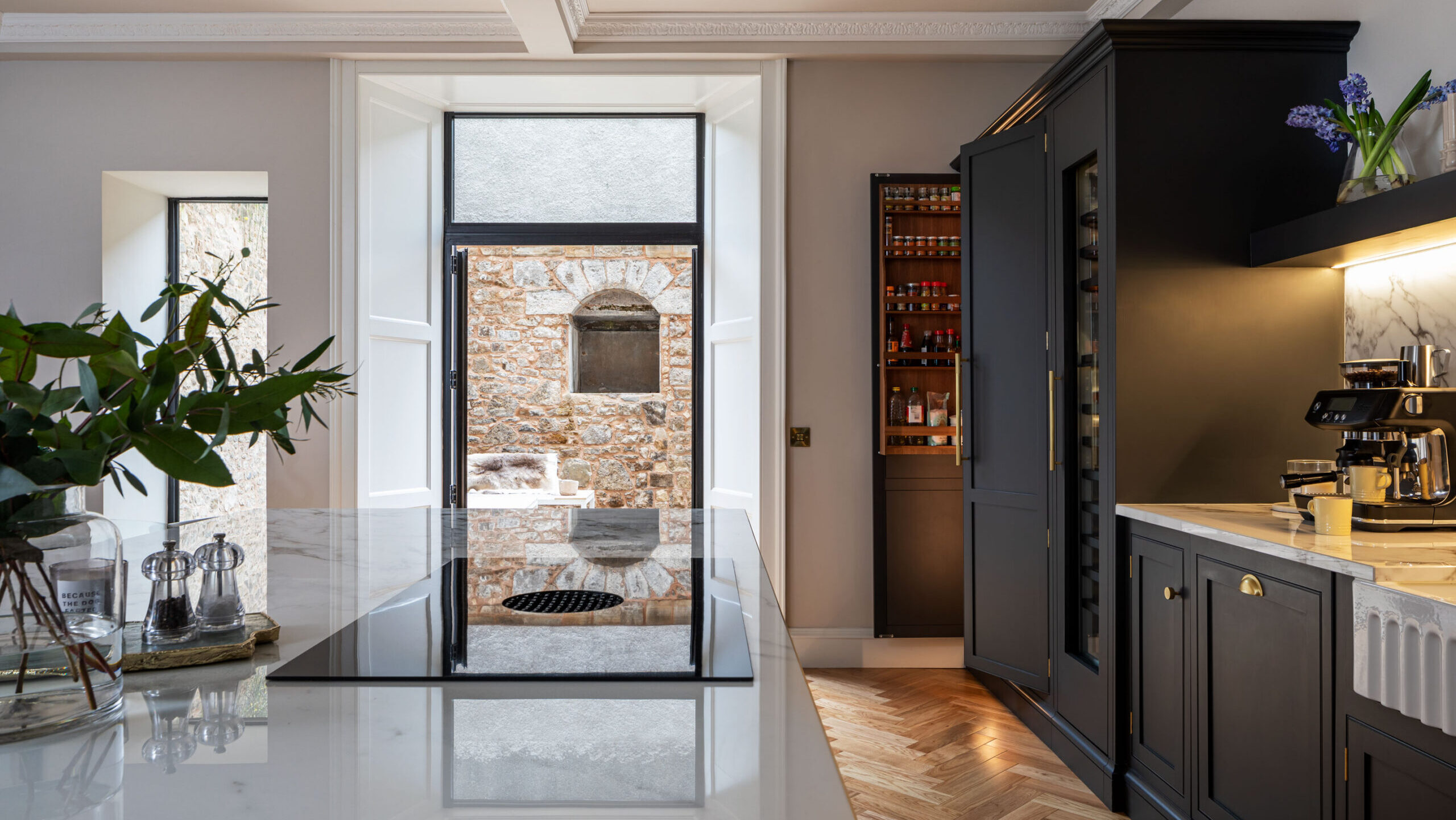
Designing a kitchen doesn’t start with colours, appliances or even a layout sketch – it starts with understanding the people who use it. The real magic takes shape well before designs are created, rooted in understanding how you live, cook and move through your space.
When our designers sit down with a client for the first time, they first talk about how life moves through the kitchen. Mapping out daily routines, how the space behaves, and ways a luxury kitchen can support every moment within it.
Designing a kitchen is deeply personal, and the early conversations set the tone for everything that follows. Before a single cabinet line is drawn, we consider five essential elements that shape a kitchen you’ll love for decades.
Discover real, bespoke kitchen & home inspiration.
1. Understanding Your Daily Kitchen Habits
Before we design a kitchen layout, our designers pay close attention to how you already live. The way someone moves when describing their morning routine, the items they keep within arm’s reach, and even the rhythm of how they cook reveal what a bespoke kitchen truly needs.
“Most clients come in with a vision in mind,” says kitchen designer Rachel Davis, “So I listen to what they really want and how they live, then begin planning from there.”
These early cues help determine zoning, storage needs and other practical elements that will make the space feel naturally intuitive. Once we understand your daily rituals, the design grows beyond aesthetics.
Rachel adds, “It’s also so important to make sure it works practically. Because a lot of clients might have an idea, but they haven’t considered the kitchen triangle, for example. That’s where we come in.”

2. Designing a Timeless Kitchen
Balancing what a client wants today with what you’ll still love in ten years is key to designing a kitchen that endures. Trends come and go, but a well-considered foundation – proportion, layout, light and material quality – remains relevant for decades.
“It all comes down to practical design,” Rachel explains, “a space that’s functional will stand the test of time.”
We guide clients toward cabinetry styles, colours and materials that age gracefully, then introduce personality in ways that can evolve over time. “All of our cabinetry styles have intentionally been created so that they don’t date.” The result is a luxury kitchen with lasting appeal, rooted in thoughtful, future-minded design.
Did you know? We think your bespoke kitchen should grow with you, that’s why our kitchens are hand-painted during installation.


3. Identifying Kitchen Layout Challenges
Every kitchen space presents quirks: unusual window placements, tight corners, tricky pipework or architectural features that have to be worked around. Rather than seeing them as obstacles, our kitchen designers treat these as early clues that shape the smartest way forward.
“One of the first considerations is where gas and electrics are situated,” Rachel says, “then we’ll look at the space, work out if we can keep the sink where it is, but then maybe adjust the cooking space to a new area.”
Spotting these challenges early helps us avoid compromises later in the project. Understanding structural limitations or unusual proportions upfront ensures the final layout flows beautifully and functions seamlessly.


4. Kitchen Planning Non-Negotiables
Before any beautiful ideas or bespoke details can take shape, the designer needs some fundamental pieces of information about the client’s home. The most crucial non-negotiable is simply an accurate understanding of the room itself.
As Rachel explains, “My main non-negotiable in the early phases of kitchen planning is a floorplan.”
This clarity anchors every creative decision that follows. Once the designer knows the real scale and structure of the room, the rest of the design can unfold. It’s the foundation that ensures every bespoke detail suits the home, supports the client’s lifestyle and allows the finished kitchen to feel naturally placed within the space.
If the details of your space are not yet confirmed, we’d still love to welcome you into your local kitchen showroom. Our designers can guide you through what is possible and help shape the early direction of your project.

5. Future Proofing Your Kitchen Design
A well-designed kitchen evolves with its household. Whether life brings growing families, changing routines, hobbies, accessibility needs or even plans to sell in the future, the space should adapt effortlessly.
Rachel’s take is all about flexibility, “A well designed space will stand the test of the time, whether that’s a young family with a newborn or a multi-generational household.”
From smart storage solutions to durable materials and flexible layout choices, we consider how the kitchen will feel years down the line. Small functional details – integrated bins, deep drawers, well-placed socket and task lighting – often make the biggest difference in daily use.
“For example, our pantry larder can start as a breakfast space so when the kids are little, they can come down, make their breakfast mess, close the doors.” Rachel explains, “As they get older, you can change the larder into a home bar area.”
By planning for real life, we create a luxury kitchen that stays beautiful and hardworking long after installation. Grounding your personal design in everyday living allows us to craft a hardworking luxury kitchen that still looks exceptional for years to come.


Begin Designing a Kitchen Today
Bespoke kitchen design starts with curiosity – understanding how you live today and how you see your home evolving years in the future. When our designers take time to observe, listen and anticipate, the result is a space that feels thoughtful and personal.
These early considerations form the backbone of every Harvey Jones kitchen, ensuring it remains beautiful and functional for years to come. Book an appointment with your local designers today.
FAQs About Designing a Kitchen
What are the factors to consider when designing a kitchen?
Consider layout, workflow, natural light, storage needs, appliance placement and the long-term plan for using the space. A good kitchen designer looks at proportions and flow, so the kitchen feels comfortable and intuitive. All these elements work together to create a bespoke kitchen that’s both functional and inviting.
What should you avoid in kitchen design?
Avoid overcrowding the kitchen layout or forcing an island into a space that can’t comfortably accommodate it. Steer clear of overly trend-led materials that may date quickly, and ensure lighting isn’t an afterthought – both task and ambient lighting matter. Skipping proper kitchen storage planning is another common pitfall.
What are the three main types of kitchen layouts?
The most common layouts are U-shaped, L-shaped, and galley. Each suits different home configurations: U-shaped layouts are great for maximising workspace, L-shaped designs create an open feel, and galley kitchens offer efficiency in narrower rooms. The best choice depends on how you cook and live in the space.
How do you design a timeless kitchen?
Start with kitchen cabinetry that has clean, balanced proportions and materials that age gracefully. Pair classic finishes with quality hardware and allow colour, lighting and décor to evolve over time. Timeless kitchens avoid gimmicks and instead focus on comfort, flow and longevity.
How do you plan a kitchen design layout?
Begin by understanding how you naturally cook and move, then organise zones around prep, cooking and cleaning. Working with a designer helps align your habits with the architecture of the room. They’ll map appliance placement, ensure doors and drawers open freely and check there’s enough circulation space around key areas.