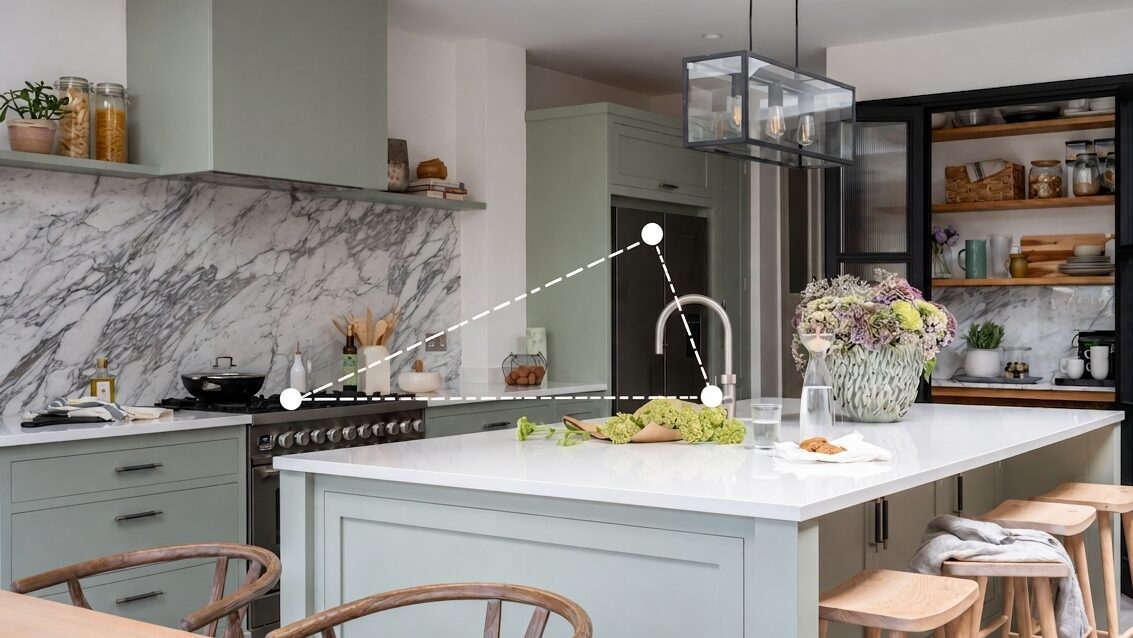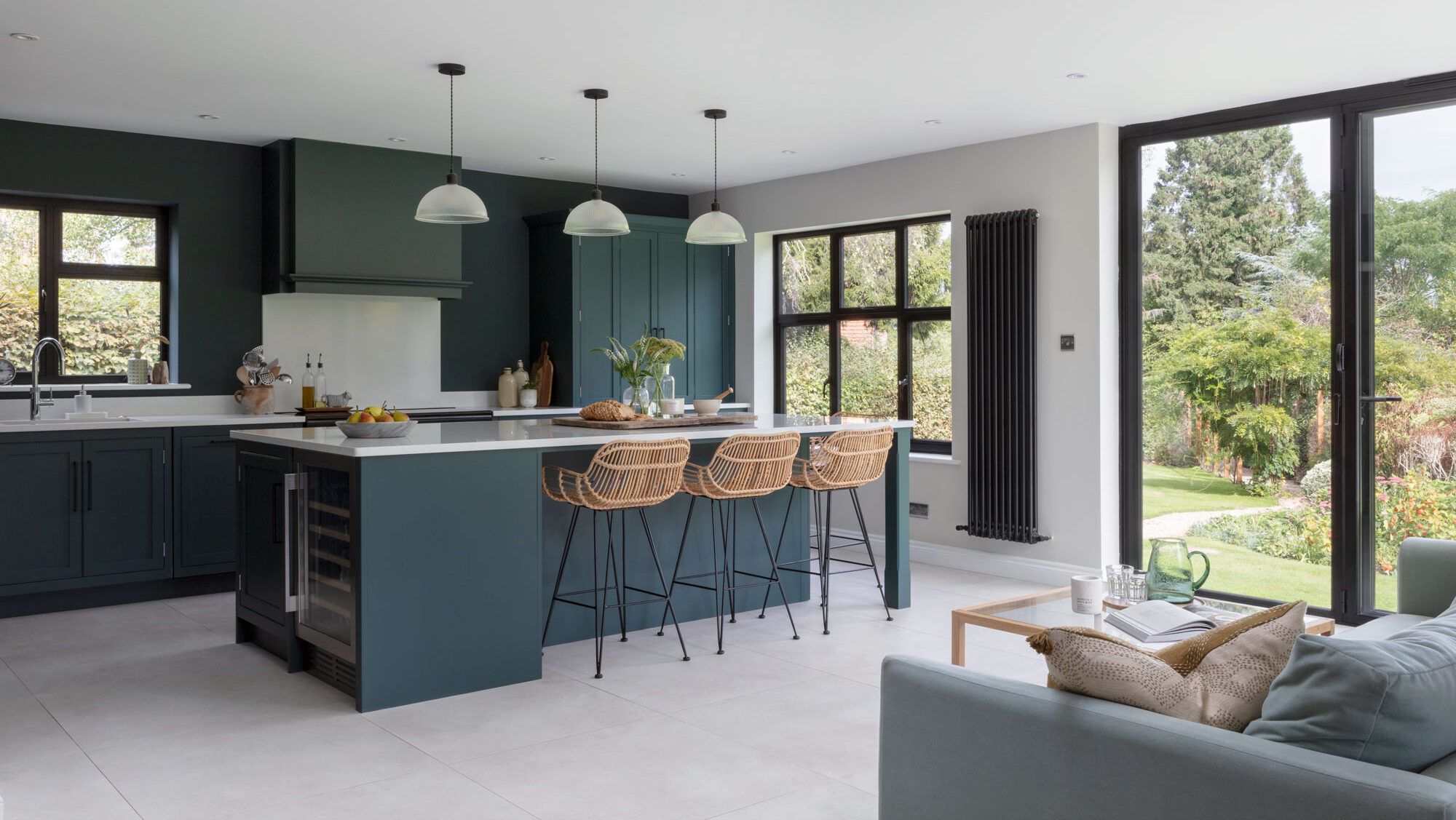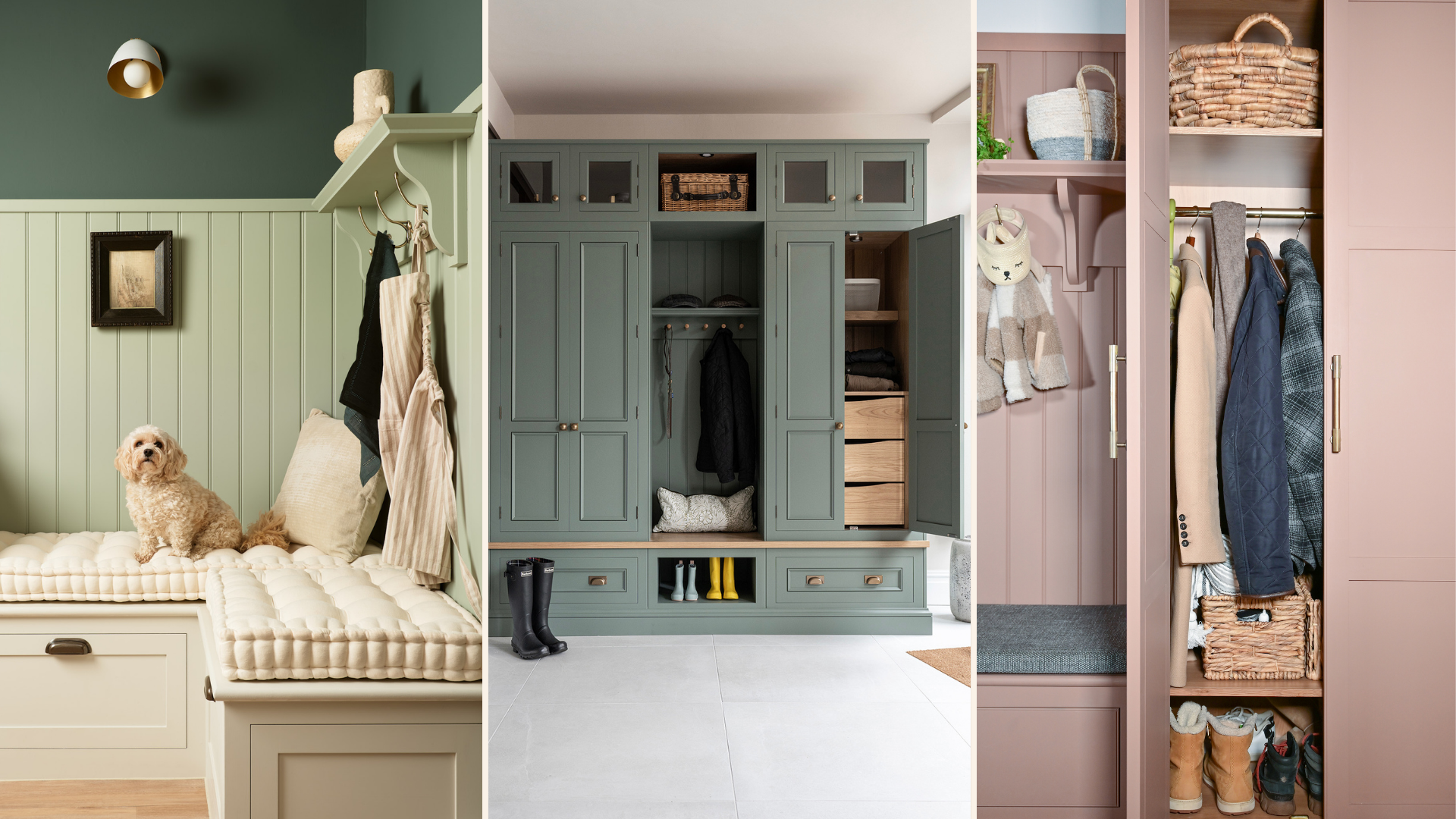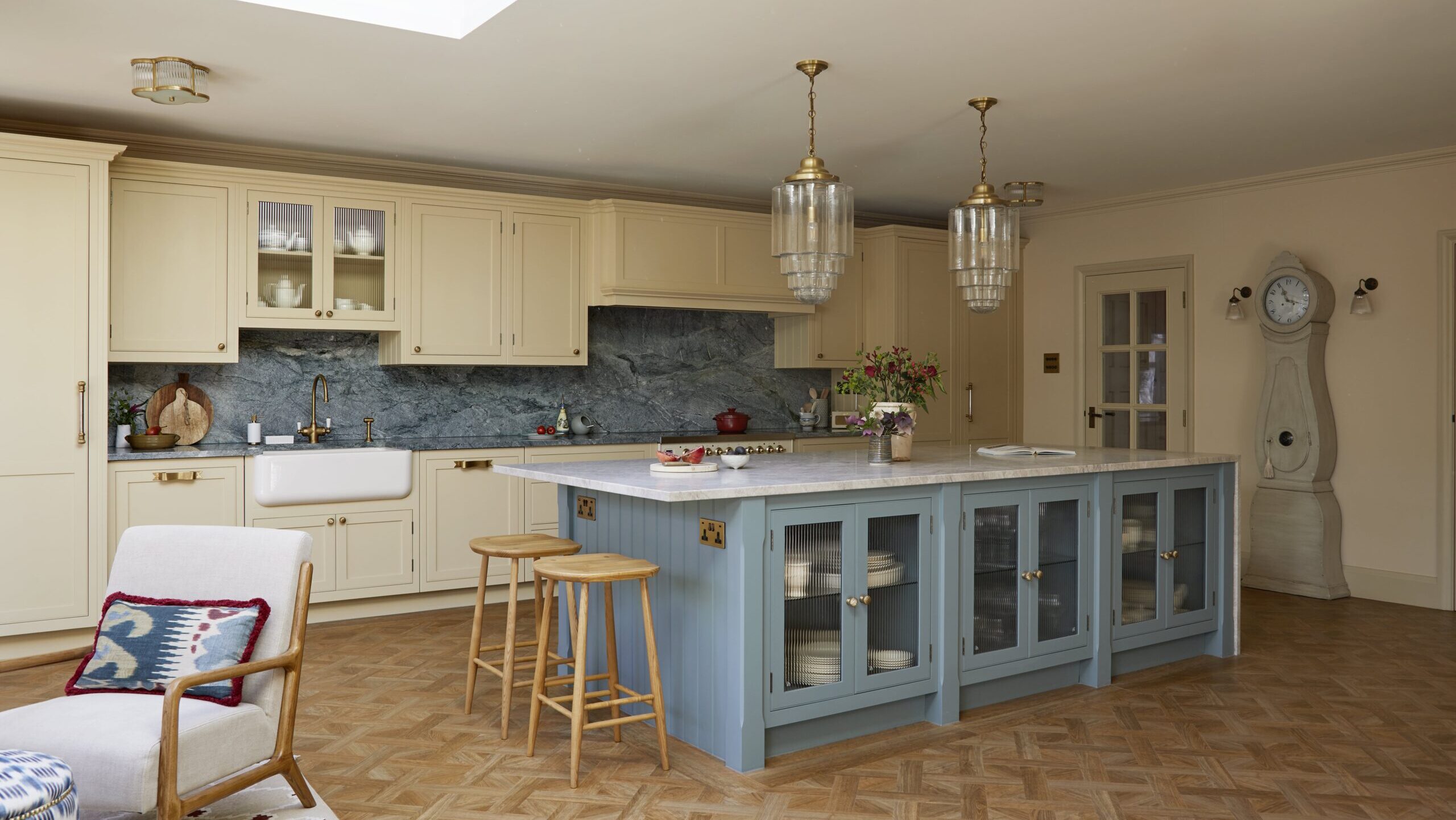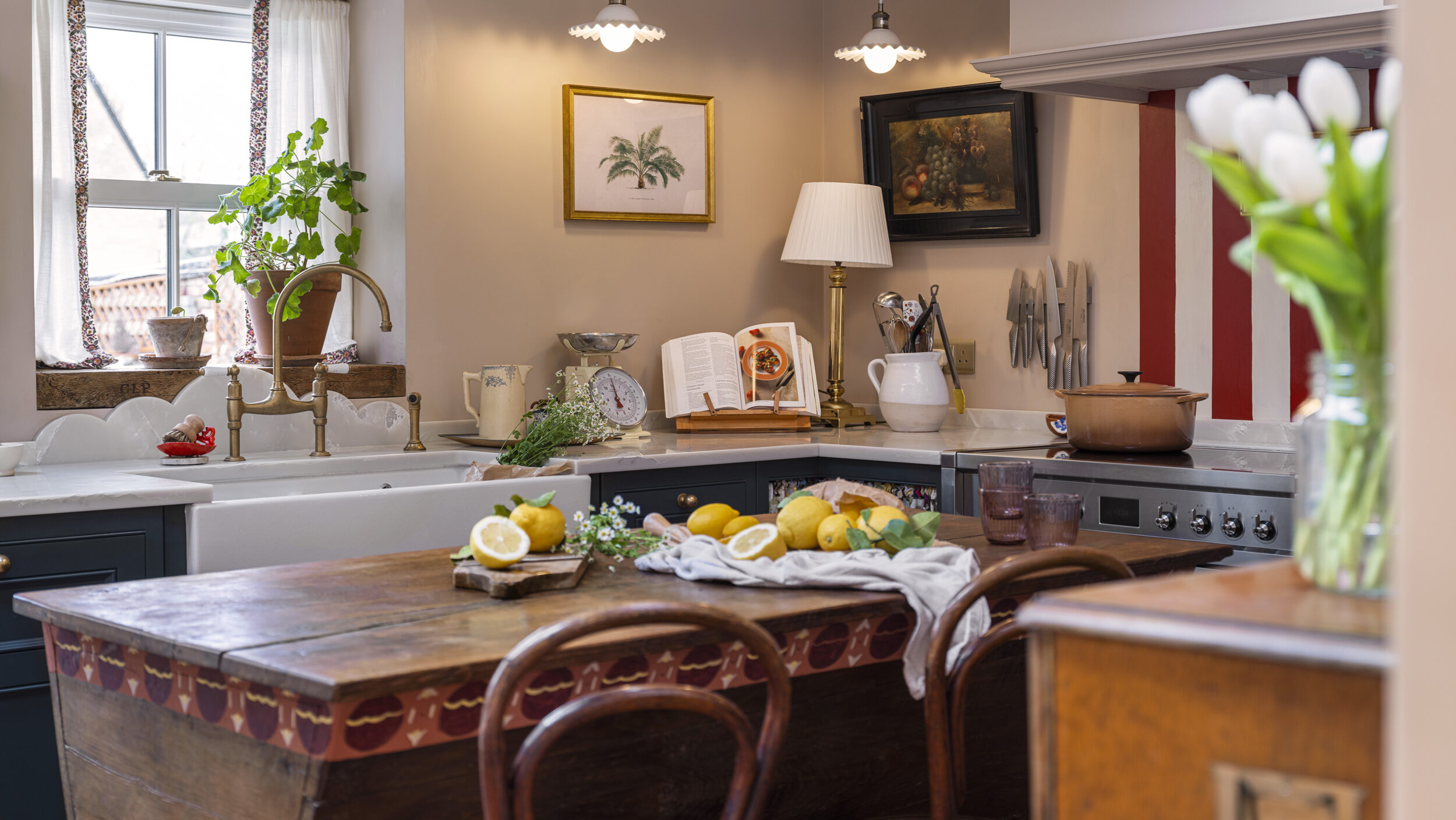
If you’ve been wondering whether an island is really right for your space or your lifestyle, you’re not alone. Many of the clients we work with come to us with an island on their luxury kitchen wish list, only to discover that an alternative solution works better for how they actually live.
The good news is that there are kitchen island alternatives that deliver everything an island promises – extra prep space, storage, seating and a considered sense of design
Whether you’re working with a galley layout, a narrow kitchen diner, or an open-plan space where flow matters most, this guide will walk you through the best options.
Discover real, bespoke kitchen & home inspiration.
Why a Kitchen Island Isn’t Always the Answer
In large, open plan kitchens with plenty of circulation space, kitchen islands can be genuinely transformative. But in the real world of British homes, where footprints vary enormously and kitchens often serve several purposes, they can also create more problems than they solve.
To work properly, an island needs at least one metre of clear space on all sides. That’s a significant ask in a room of 3.2 metres or less. Add cabinetry, appliances and people moving around, and a beautiful idea can quickly become a daily frustration.
There’s also the question of whether an island actually suits the way you cook. Some households want a clear, focused workspace. Others need flexible seating that moves with family life. Many want a sense of separation within open plan kitchen layouts without losing the connection.
That’s where kitchen island alternatives really come into their own.
The Kitchen Peninsula: Connected Living Without Compromise
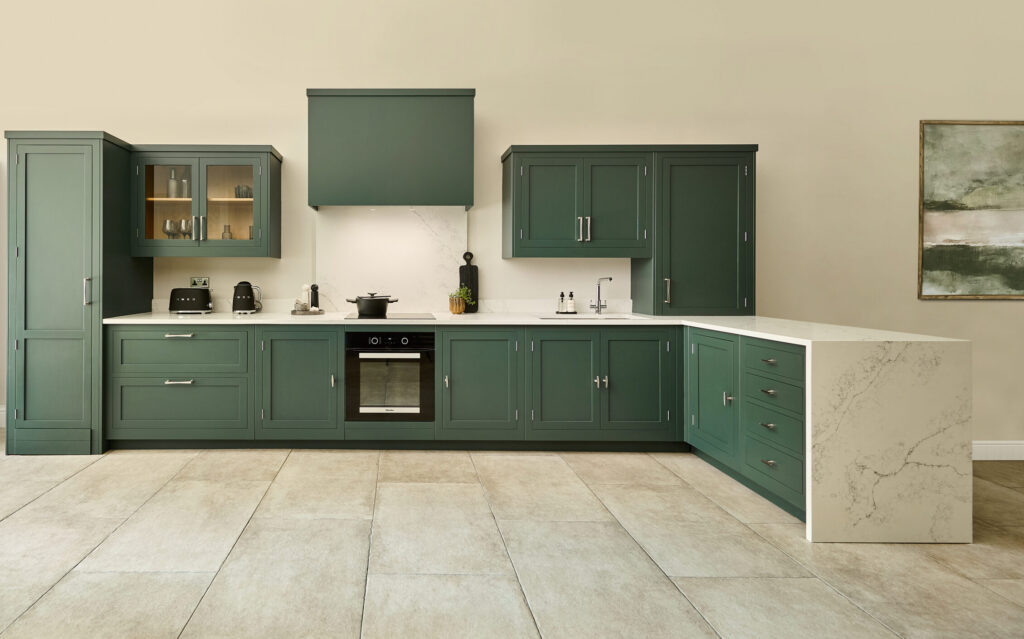
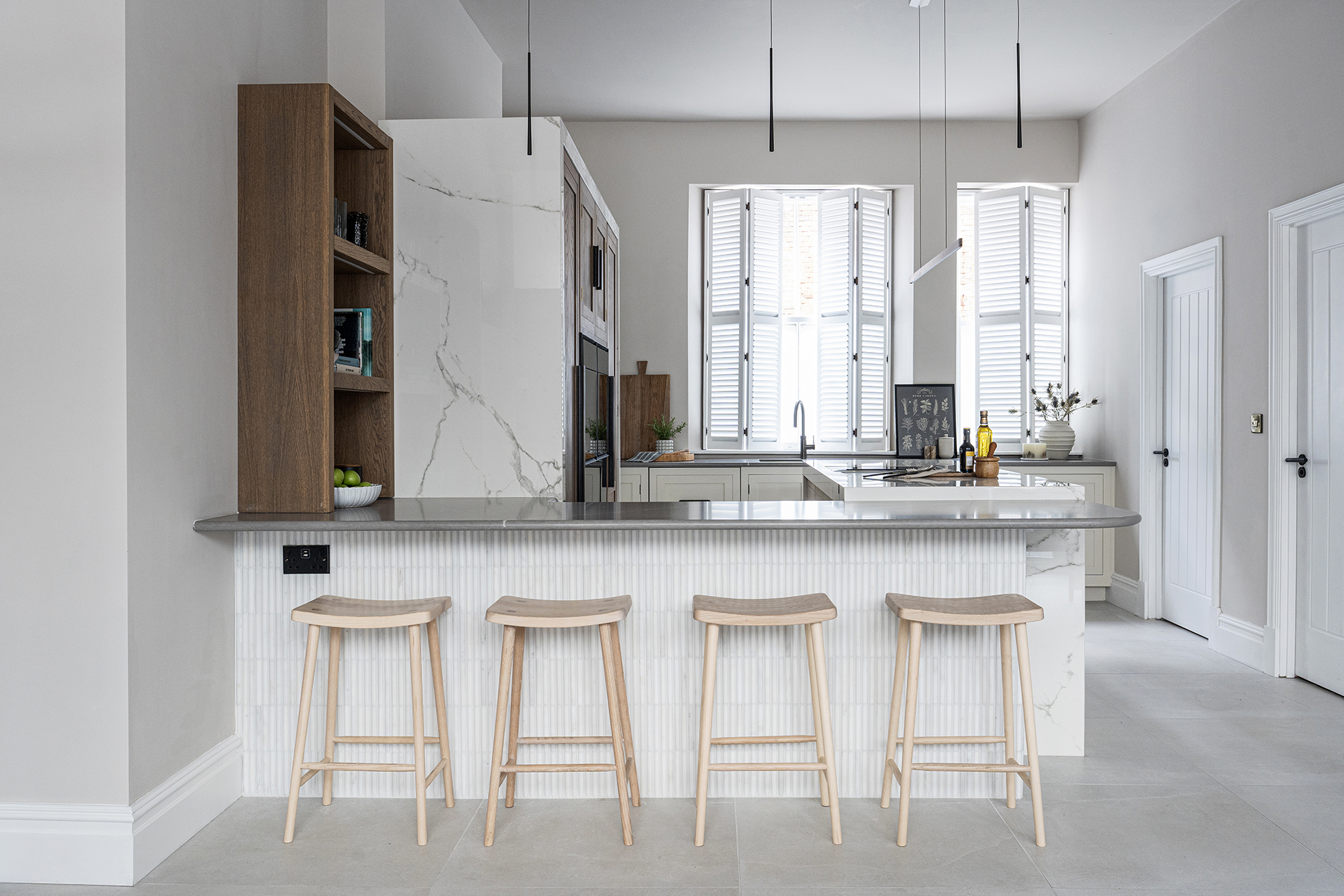
If you’re weighing up a kitchen island or peninsula, the peninsula often wins on practicality. It connects to your existing cabinetry on one side, which means it needs clearance space on three sides rather than four.
A peninsula for your kitchen delivers many of the same benefits as an island: extra worktop space, built-in storage, room for seating along one edge. It also creates a natural transition between kitchen and dining or living areas, making it a brilliant choice for open plan homes where you want structure without walls.
What to Consider When Planning a Peninsula
- Leave a minimum of 900mm-1000mm on open sides for comfortable flow
- Overhang the worktop by at least 300mm on the seating side for comfortable knee room
- Consider housing appliances like a wine fridge, warming drawer or dishwasher within the peninsula unit for efficiency
- A waterfall edge (where the worktop continues down to the floor on the open end) adds a sculptural, high end kitchen design detail
In bespoke luxury kitchens, a peninsula is often the more refined choice. It integrates seamlessly into the overall layout and is designed with the same level of detail as the rest of the cabinetry, from hand-painted finishes to bespoke solid wood construction.
Butcher Block: Warmth, Character and Practicality
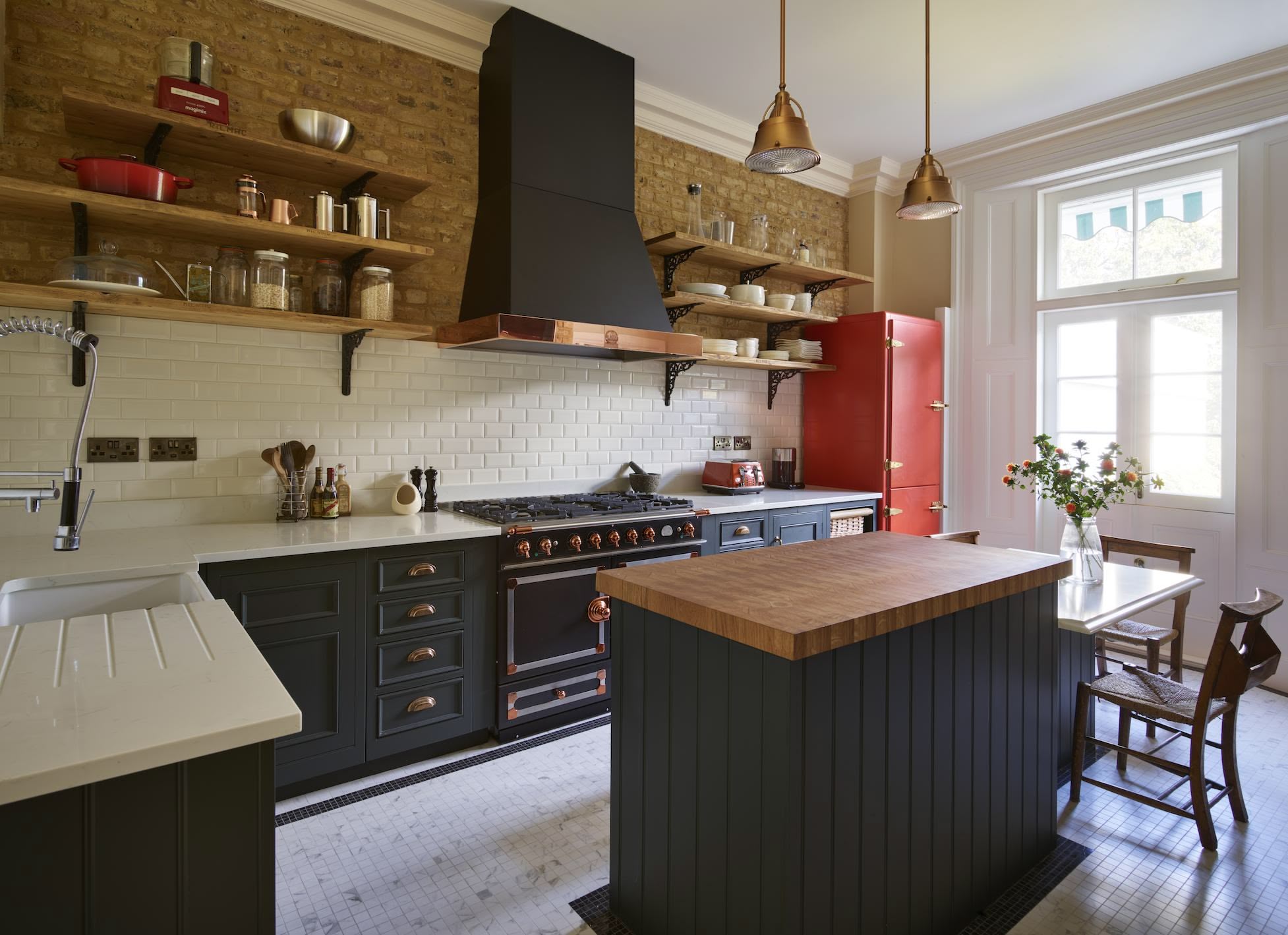
If you’re drawn to the idea of a kitchen island for its warmth and natural texture, a butcher block kitchen island or smaller butcher block style island is worth considering. The rich grain of solid wood brings instant character to a kitchen. Unlike engineered surfaces, it actually improves with age and use.
Butcher blocks work beautifully as a standalone prep surface, a freestanding table in the middle of the room, or as a contrasting section within a bespoke fitted kitchen.
Pair it with painted Shaker kitchen cabinetry and you have a kitchen that feels genuinely handmade and lived-in.
It’s a particularly good choice in modern farmhouse kitchens, luxury country kitchens and traditional spaces where warmth and materiality take centre stage.
Caring for Butcher Block
- Oil regularly with food-safe mineral oil to maintain condition and prevent cracking
- Sand back light surface marks – it’s one of the few surfaces that genuinely benefits from a little wear
- Keep away from prolonged standing water around seams and edges
- Treat it as a working surface, not a showpiece – the patina it develops is part of its character
Kitchen Carts and Freestanding Units: Flexibility First
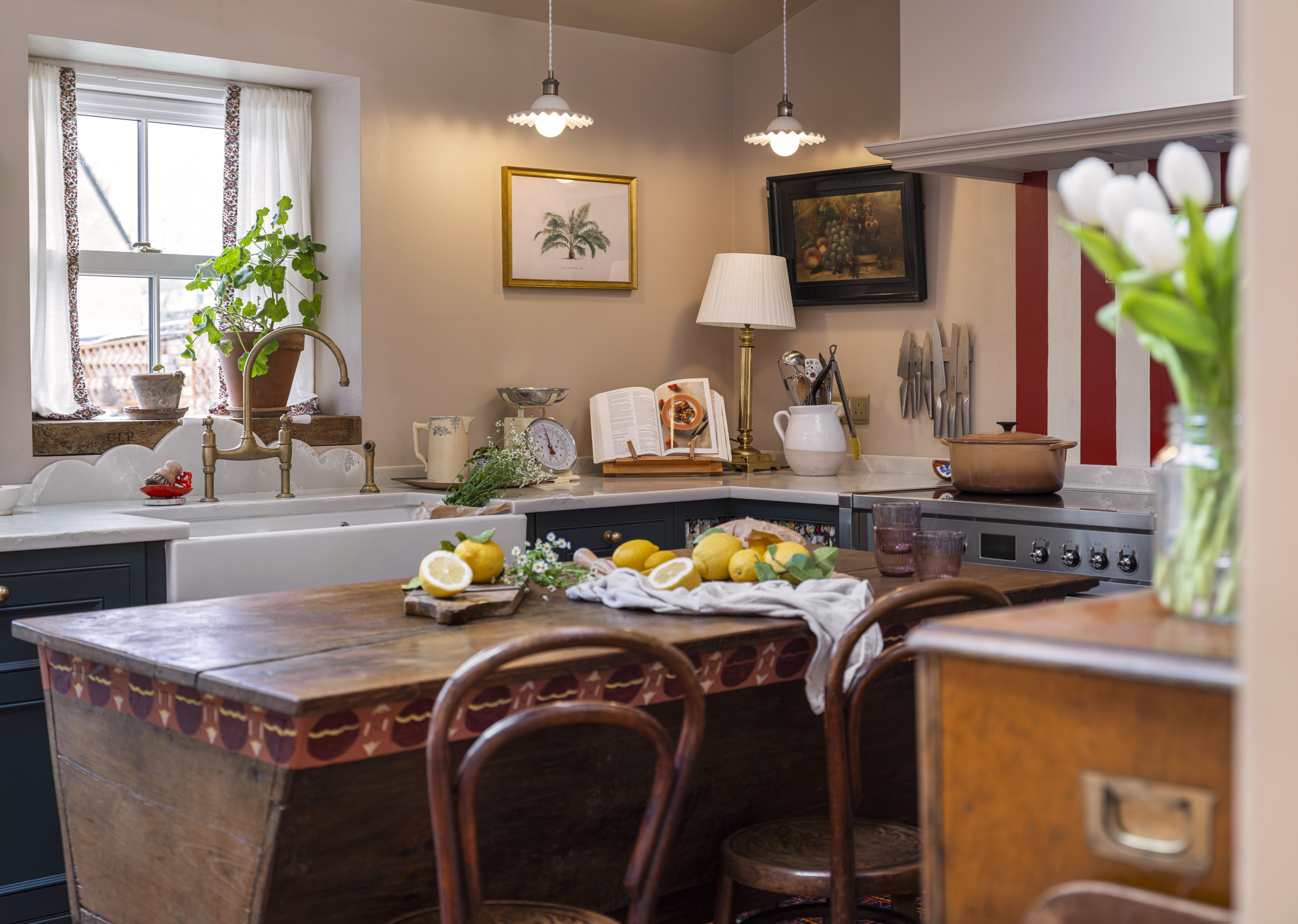
Not every home calls for a fixed solution. If your kitchen layout changes with the seasons or if you simply want flexibility, a kitchen cart or freestanding kitchen unit offers something that built-in cabinetry doesn’t: the ability to move.
Kitchen carts have come a long way from the basic trolley. Today’s versions – especially in the bespoke and premium kitchen market – are beautifully crafted pieces of freestanding furniture in their own right.
Think solid oak frames, hand-painted finishes, integrated wine storage, or butcher block tops. They can be positioned wherever you need extra prep space, pulled out for entertaining and tucked away when not needed.
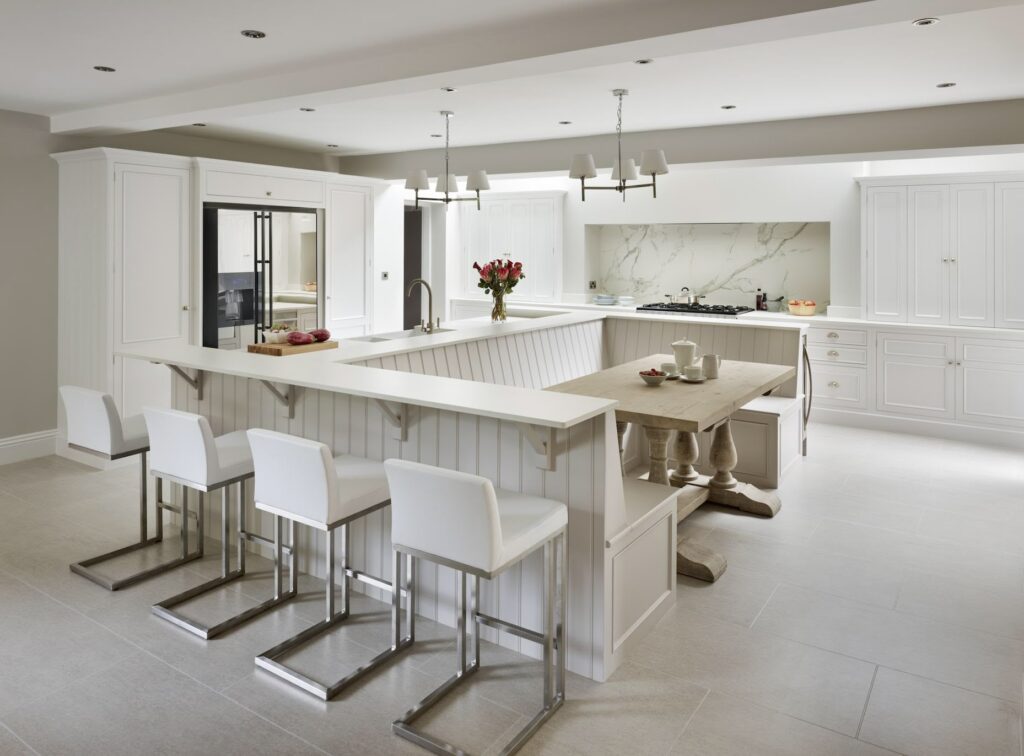
Banquette Seating: The Bespoke Island Alternative for Dining
Kitchen banquette seating is having a moment – and deservedly so. Built-in banquette seating along one wall or in a corner transforms a kitchen from a purely functional space into a place where people gather.
Unlike bar stools along an island, banquette seating creates a dedicated dining zone that feels intentional. It can also act as a kitchen and living room divider, defining the two zones without the need for a physical wall or partition.
The practical benefits are considerable too. Banquette seating tucks neatly against a wall, maximising floor space. Built-in under-seat storage is a natural addition. And in a bespoke kitchen, the upholstery, timber frame and surrounding joinery is designed to complement the cabinetry, creating a cohesive, beautifully finished space.
Designing Built-In Bench Seating Well
- A seat depth of 450mm-500mm is the sweet spot for comfortable dining
- Ensure table height (typically 720mm-760mm) works with your bench height
- Corner banquette layouts maximise seating capacity without eating into floor space
- Choose upholstery that’s practical for family life – wipeable or easy-clean fabrics work well in a kitchen environment
- Add under-seat storage drawers for cookbooks, table linen or seasonal items
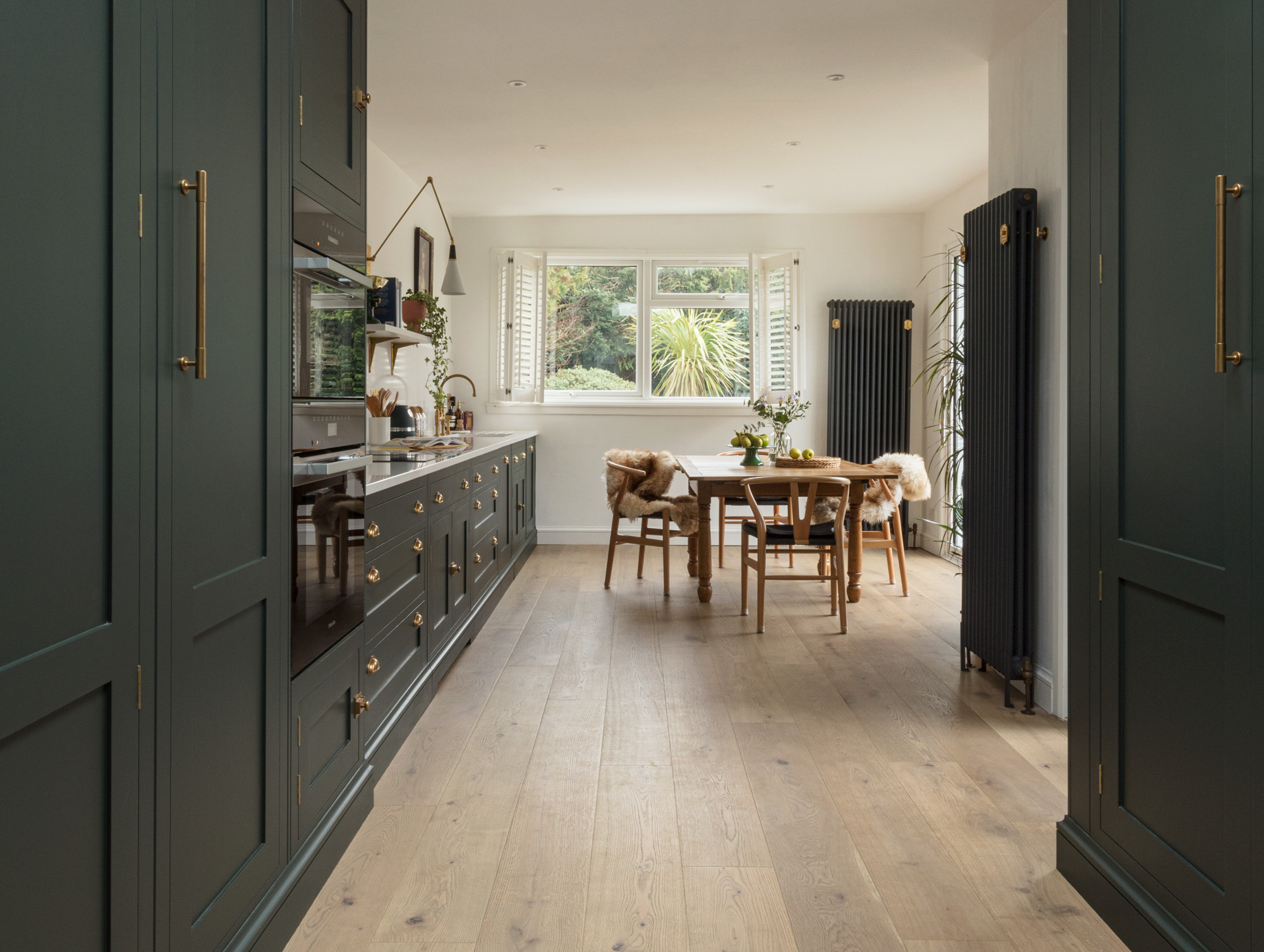
The Dining Table as a Kitchen Island Alternative
Sometimes the simplest idea is the best one. A well-chosen dining table positioned in the centre of the kitchen achieves many of the things an island sets out to do. It provides a surface for prep and serving, a space for informal meals and homework and a focal point that draws the room together.
The difference is in the flexibility. A dining table can be moved, extended, restyled or replaced. It creates a softer, more rustic feel than a fixed island, and in larger open plan spaces it can sit between the kitchen and living areas with real elegance.
Paired with bespoke handmade kitchen cabinetry, a beautiful dining table becomes part of the overall design story – not just a piece of furniture, but an intentional choice that reflects how you actually use your home.
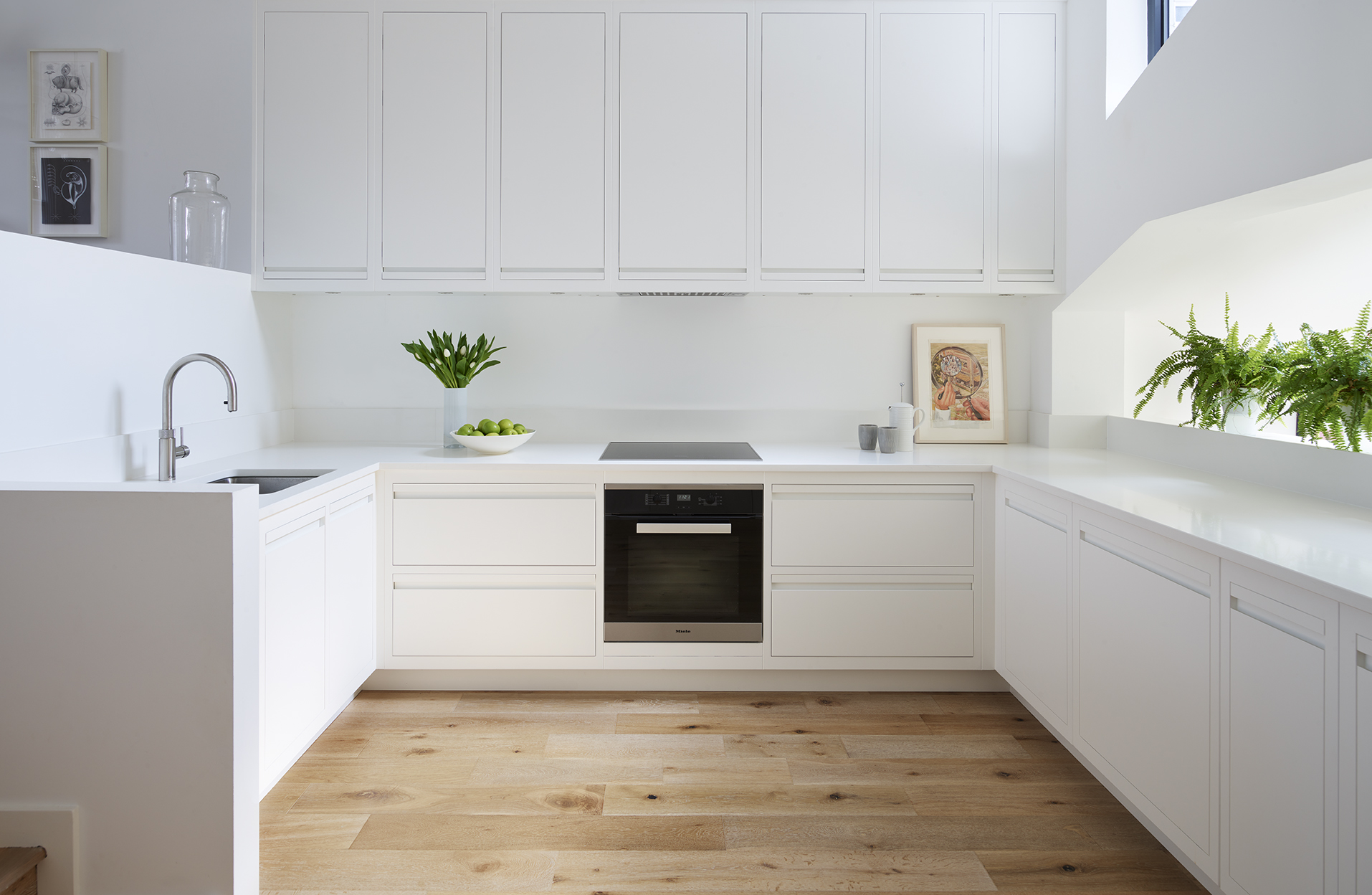
Designed Within The Layout: Galley and U-Shaped Kitchens
For kitchens where floor space simply won’t allow for any central element – island, peninsula or table – the answer may be in the layout itself. Both galley and U-shaped kitchen designs are highly efficient precisely because they don’t rely on a central feature.
A galley kitchen places cabinetry and appliances along two opposing walls, creating a focused run of worktop on each side. When designed with quality materials and considered detailing, a galley kitchen is a highly practical and efficient iteration of the bespoke kitchen.
A U-shaped layout wraps the kitchen around three walls, providing an extraordinary amount of worktop and storage without a single piece of furniture in the centre. This can actually make the kitchen feel more spacious – there’s nothing to navigate around, and the whole space becomes the workspace.
Both layouts work especially well in luxury fitted kitchens where the cabinetry itself is the hero. With hand-painted finishes, quality hardware and bespoke storage solutions, the design doesn’t need a showpiece island to make an impression.
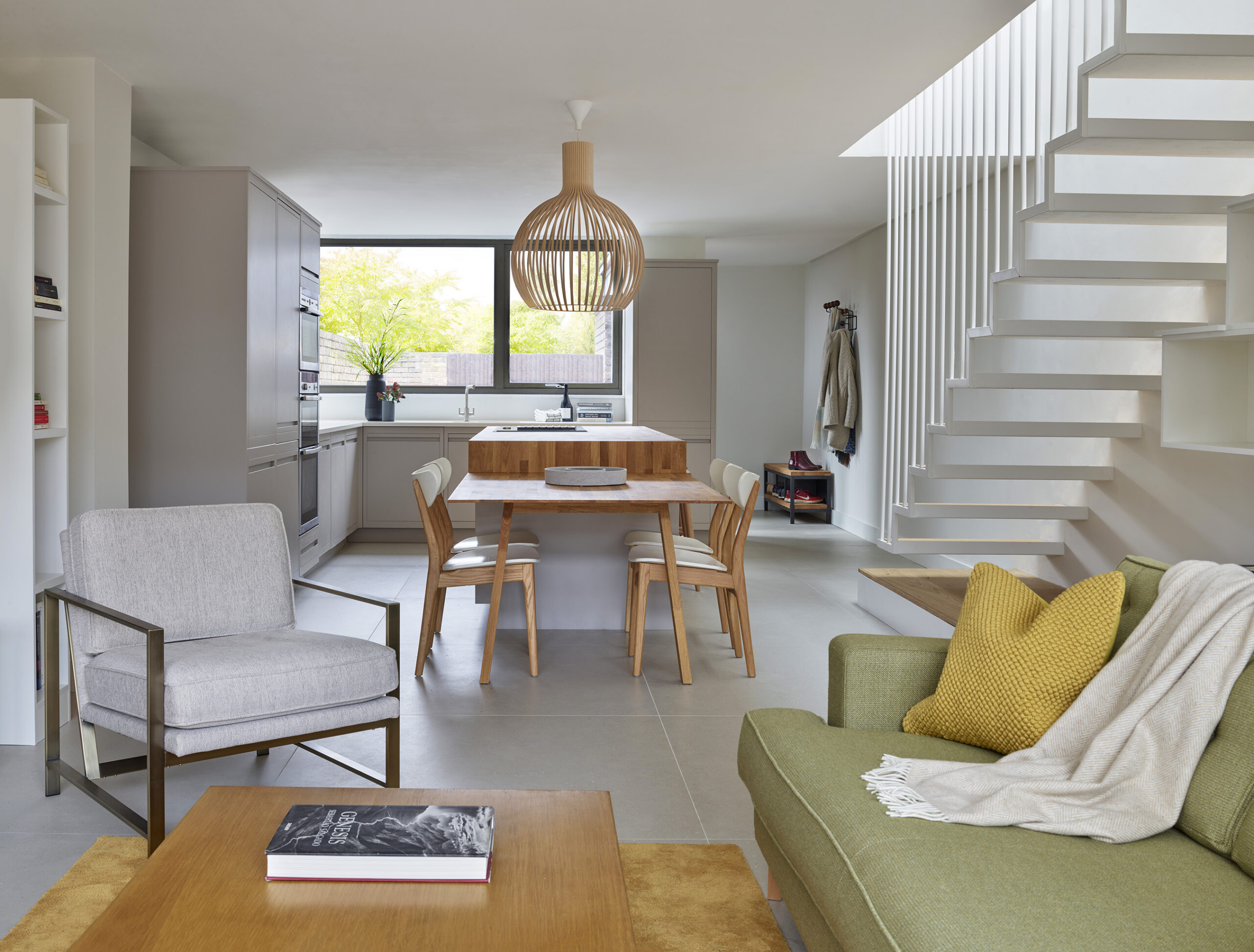
Leveraging the Layout: Open Plan Kitchen Division
In multipurpose spaces, one of the most popular reasons for wanting a kitchen island is the sense of open plan zoning it creates – a clear signal that the kitchen ends and the living area begins.
But there are other ways to achieve this that are just as effective, and often more considered. A peninsula that runs perpendicular to the main kitchen run works brilliantly as a divider. So does a run of full-height cabinetry with an open run end storage facing the living space – with storage on the kitchen side and display shelving on the other.
Banquette seating, as mentioned above, can also form a soft boundary. As can a change in flooring material, ceiling height or lighting zone – none of which require any additional furniture at all.
How to Choose the Right Kitchen Island Alternative for Your Home
Every kitchen is different. Every household is different. The right kitchen island alternative for your home depends on a combination of factors – your layout, your lifestyle and your aesthetic preferences.
Here’s a simple framework to help you think it through:
- If you want seating and a natural division between kitchen and living areas
- consider a peninsula or banquette seating
- If you want flexible extra prep space or storage
- a quality kitchen cart or freestanding unit gives you freedom without commitment
- If warmth and natural texture are important
- a butcher block surface or solid wood table brings those qualities in abundance
- If your kitchen is narrow or galley-shaped
- work with the layout rather than against it; clever cabinetry and considered detailing can make a smaller kitchen feel exceptional
- If you want a social dining space
- prioritise banquette seating or a beautiful dining table over any additional prep surface
The most important question is “what does my kitchen actually need?” That’s always where we start.
Design a Kitchen Island Alternative to Suit You
The best kitchens aren’t built around features – they’re built around people. Whether you’re drawn to a kitchen peninsula, considering banquette seating, or simply not sure what your space needs, the right answer starts with a proper conversation about how you live.
At Harvey Jones, every kitchen begins with exactly that. Our designers work with your layout, your light and your lifestyle to find solutions that feel right. From bespoke luxury kitchens to beautifully fitted galley spaces, we’ll help you design something that’s genuinely designed for life and built for living.
Frequently Asked Questions
What are the best kitchen island alternatives for a small kitchen?
For smaller kitchens, a peninsula for the kitchen or a banquette seating arrangement tends to work best – both provide extra surface area and seating without demanding floor space on all sides. A galley or U-shaped layout may also mean you don’t need any central feature at all.
Is a peninsula better than a kitchen island?
It depends on your space and how you use it. A peninsula attaches to existing cabinetry, so it only needs clearance on three sides rather than four. In most UK kitchens, this makes it the more practical choice. A kitchen island suits larger, more open plan spaces where you have room to move freely on all sides.
What is a butcher block kitchen island alternative?
A butcher block surface can be used as a freestanding prep table, a kitchen cart top, or a contrasting section within your fitted cabinetry – offering all the warmth and character of a solid wood island without the full footprint. It works particularly well in traditional, farmhouse and bespoke handmade kitchen designs.
Can kitchen banquette seating replace an island?
Absolutely. Kitchen banquette seating can replace the social function of an island — creating a dedicated dining and gathering spot that often works better for family life. Built-in benches with under-seat storage also make the most of corners and wall space that might otherwise go unused.
What can I use to divide my kitchen and living room without an island?
There are several effective options. A peninsula running perpendicular to your kitchen run creates a natural boundary. Banquette seating positioned between the two zones works beautifully in open plan spaces. A change in flooring, ceiling height or lighting can also define two zones without any additional furniture.
Are kitchen carts worth it?
A quality kitchen cart can be an excellent investment, especially if you need flexible extra prep space, want something you can move around, or are renovating in stages. Look for solid wood construction and a well-finished worktop – a butcher block top is especially practical and ages naturally with use.
What is the most popular alternative to a kitchen island?
The peninsula for kitchen layouts is probably the most popular kitchen island alternative in the UK, closely followed by kitchen banquette seating. Both deliver genuine functionality and social value, and both can be designed with the same quality and craftsmanship as the rest of a bespoke kitchen.
Discover real, bespoke kitchen & home inspiration.