
Home, Style and Design · 11 Nov 2026
BLACK NOVEMBER SAVINGS
20 Oct 2026 · 24 min read
The main 2027 kitchen trends are natural wood and two tone cabinetry, Slim Shaker detailing, warm neutrals, soft sage greens, muted pinks, bespoke pantries, hidden storage, layered lighting and technology planned early. The best bespoke kitchens fix layout and joinery first, then use paint and hardware for trends, so styles can change without a rebuild.
Kitchen design is moving towards warmth, texture and storage that works harder every day. The 2027 kitchen trends our designers discuss with clients all begin with the same question. How do you want to live in the room?
Explore the top trends across layouts, materials, colour, finishing details and technology. Each one comes with advice on using it in a bespoke kitchen, drawn from nearly five decades of high end kitchen design.
Discover real, bespoke kitchen & home inspiration.
Here’s a summary of the 15 kitchen trends for 2027 and how easily each can change once your kitchen is installed.
| Trend | What’s changing | Longevity |
| Zoned and semi-open layouts | Open plan rooms gain clear areas for cooking, dining and relaxing | Build in |
| Two-tier islands | Islands offer a working level and a social level | Build in |
| Bespoke pantries | Storage is designed around how you shop and cook | Build in |
| Hidden kitchens and organised drawers | Clutter moves behind doors and into drawers | Build in |
| Natural wood and two tone kitchens | Richer timber is paired with painted cabinetry | Choose with care |
| Slim shaker and in-frame cabinetry | Lighter profiles show the craftsmanship | Choose with care |
| Statement stone | Veined stone with real movement | Choose with care |
| Sustainable materials | Longevity and responsible sourcing come first | Build in |
| Warm neutrals and chocolate browns | Softer, earthier alternatives to cool grey | Change easily |
| Aubergine, berry and dusty pink | Deeper, muted colour on islands and pantries | Change easily |
| Sage green and soft blues | Gentle, nature-led shades | Change easily |
| Nickel and brass hardware | Finishes are chosen early and mixed with care | Change easily |
| Layered lighting | Every light has a defined job | Choose with care |
| Smart appliances planned early | Wiring and appliance choices shape the cabinetry | Build in |
| AI in renovation | AI supports ideas, designers produce plans | Change easily |
At London Design Festival this year, designers kept returning to one point. Function comes first and character follows. For 2027 kitchen trends, that means planning layouts and storage around daily routines before choosing finishes.
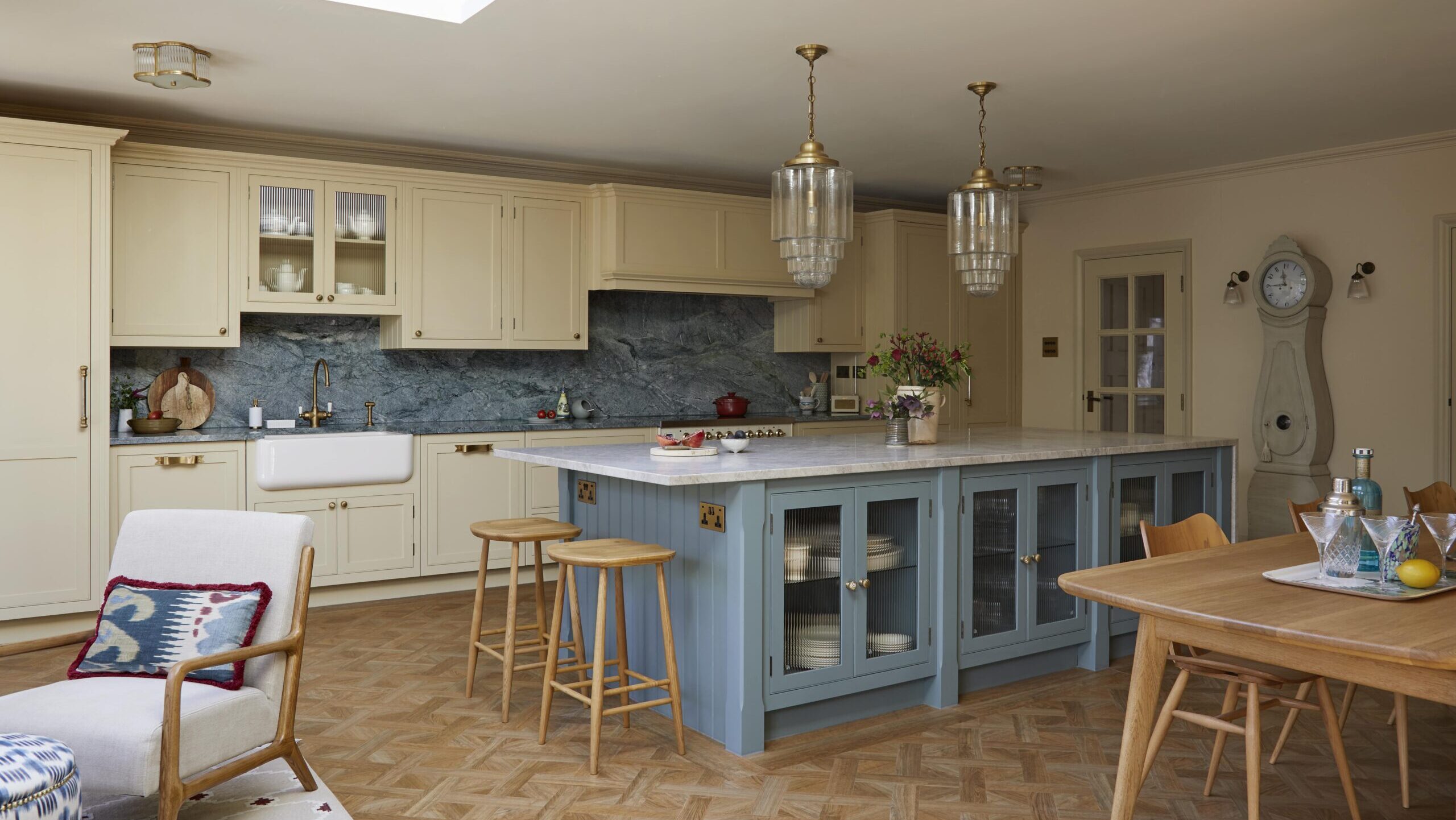
Open plan living isn’t going away, but many homeowners now want more definition. A semi-open layout keeps light and flow between the kitchen, dining and living areas. It also gives each area its own purpose.
Small changes create the separation. A change of flooring, a step, glazed internal doors or a partial wall can mark a zone without closing the room off. This works well in family homes, where one space may host homework, cooking, entertaining and quiet evenings in a single day.
How to use this trend: Map a typical weekday with your designer and note where each activity happens. That shows where a zone, a change of flooring or a glazed door will help your bespoke kitchen work harder.
“During our initial design appointment, I ask my clients how they use their current kitchen space, what works for them, what doesn’t work and then to reflect on if there’s anything they would want to add to their kitchen. For example, integrating a wine fridge for hosting, or seating to extend the kitchen into a living space.”
Charlotte Dubery, Harvey Jones Designer in Brighton (opens in a new tab).
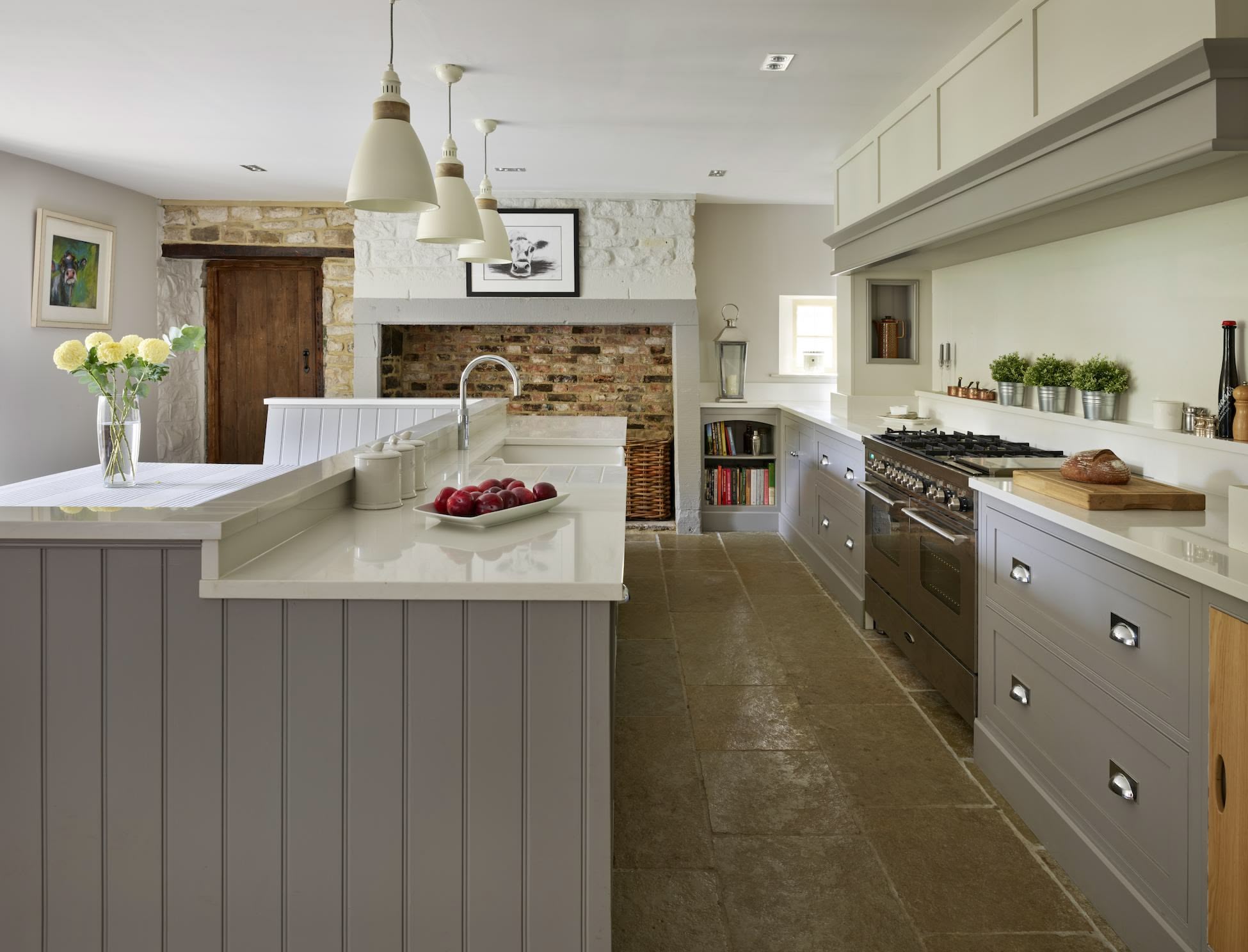
Island design is becoming more considered. Rather than choosing the largest island a room can hold, homeowners now ask what the island should actually do.
A lower working level handles preparation and cooking. A second tier gives guests somewhere to sit and can double as a dining table or homework desk.
Proportion matters as much as size. Discover our guide to kitchen island layouts (opens in a new tab) to learn more about types of islands and how to design around your layout. For luxury kitchens with islands, furniture-like detailing in a contrasting timber or painted finish helps the island feel part of the wider interior.
How to use this trend: List the three jobs your island must do, then let those decide its size and shape. In luxury kitchens with islands, a two-tier design often replaces a separate dining table, which saves space elsewhere.
“When designing your island layout it’s really important to think about how you will use it. Islands almost always become a social hub so seating is a must. A good designer will consider how to balance seating, size, storage and zoning when incorporating and island.”
Jevon Bates, Harvey Jones Designer in London (opens in a new tab).
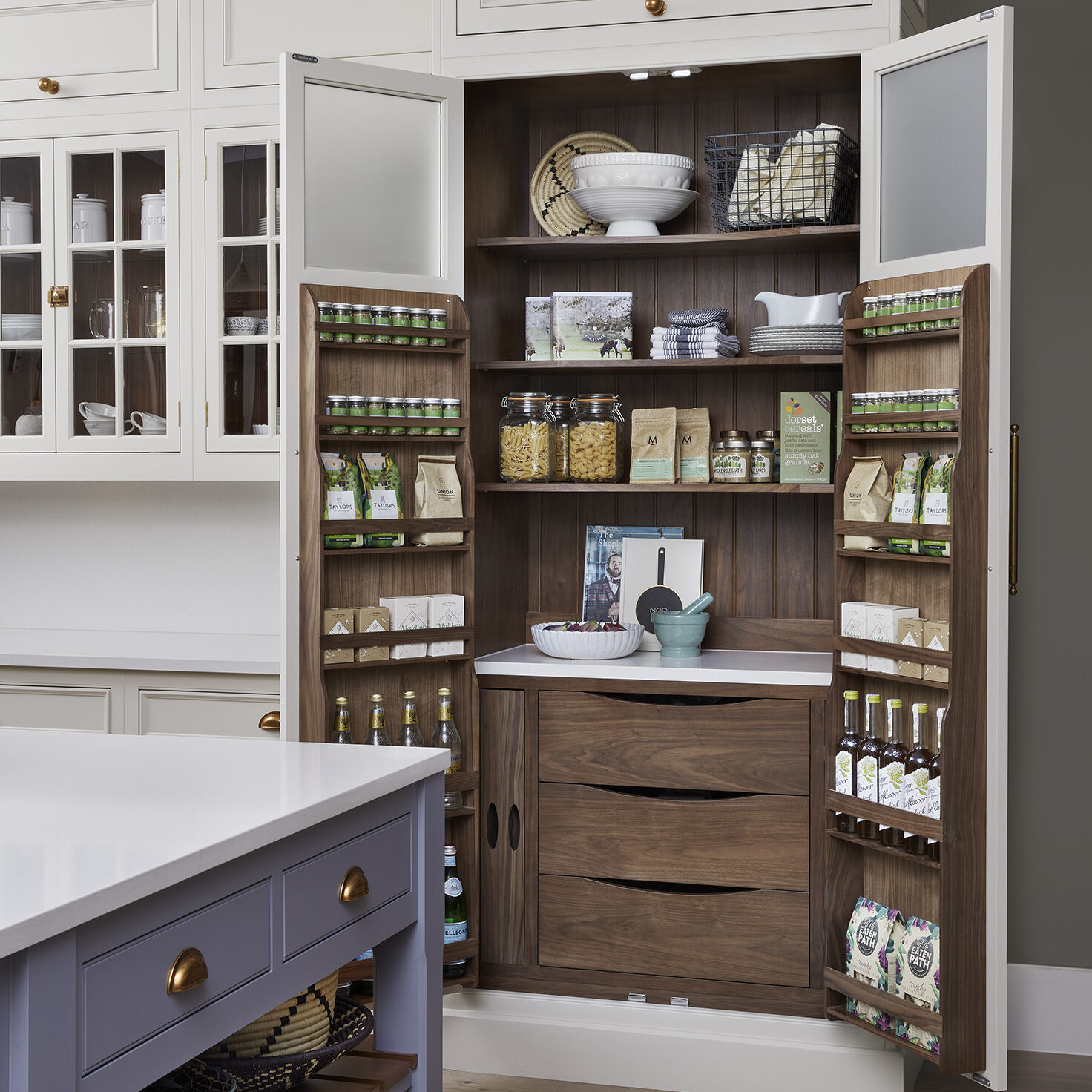
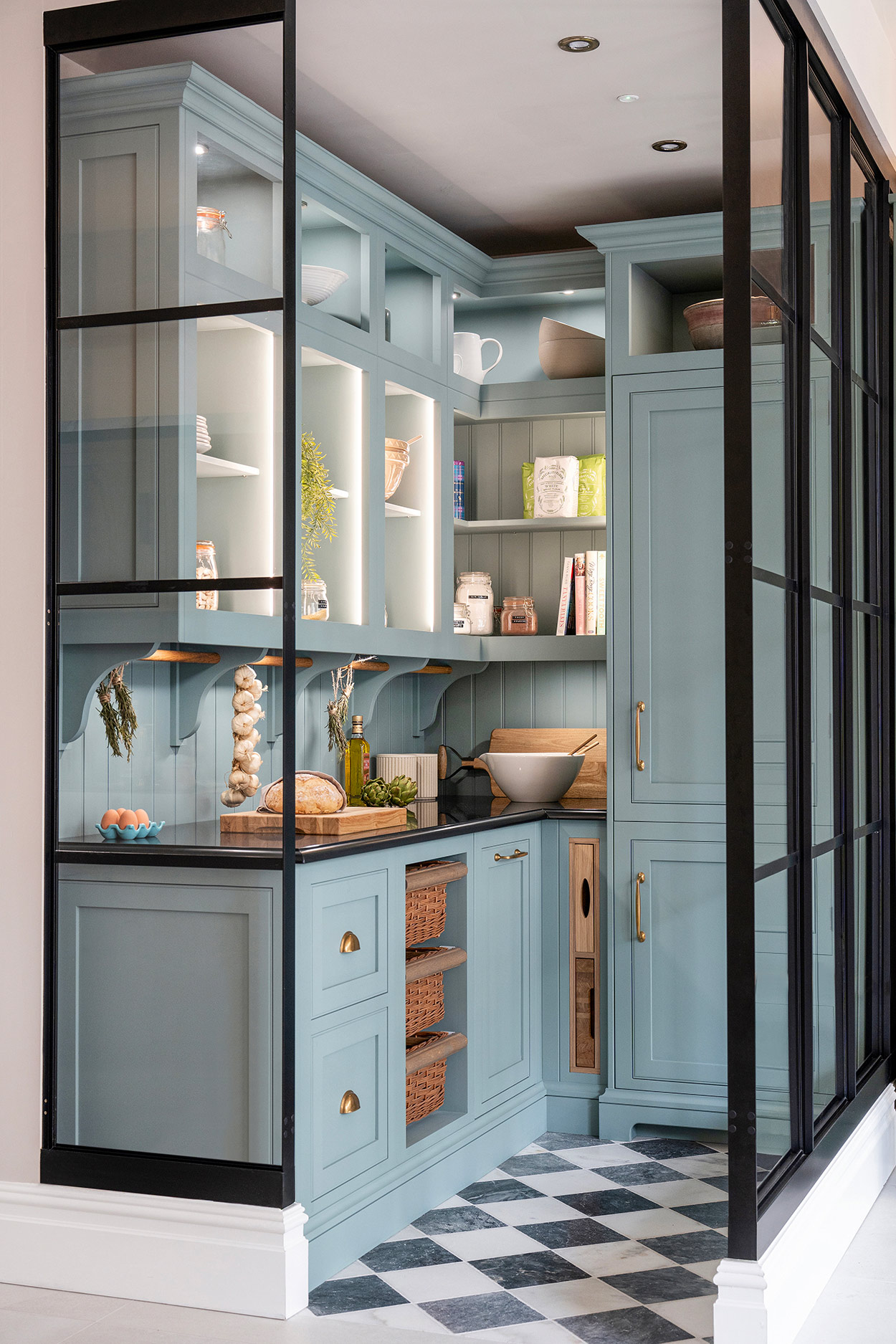
Pantries remain one of the most requested features in luxury bespoke kitchens, and 2027 brings a more flexible approach. ‘Pantry’ no longer has to mean a whole room. We design and make every pantry bespoke, so the format can match your space and your habits.
You can design around your space and how you live:
The detail inside matters most. Drawers, adjustable shelving, spice storage, bottle racks and a worktop for small appliances can all be planned around how you shop, cook and entertain.
How to use this trend: Write down what you buy, how you shop and what you store. A designer can turn your lifestyle and pain points into a pantry to complement your bespoke kitchen. This 2027 kitchen trend works in homes of every size, from a city flat to a large country house.
“Kitchen larders and walk-in pantry cupboards are excellent options for concealing larger appliances, kitchen accessories and dry stores while maintaining a clean, uncluttered space. Fully customise them with fluted glass doors, handleless sleek designs or French café doors for a more relaxed separation.”
Hubert Sobulski, Harvey Jones Designer in London (opens in a new tab).
Discover beautiful kitchen design in person and speak to our experts.
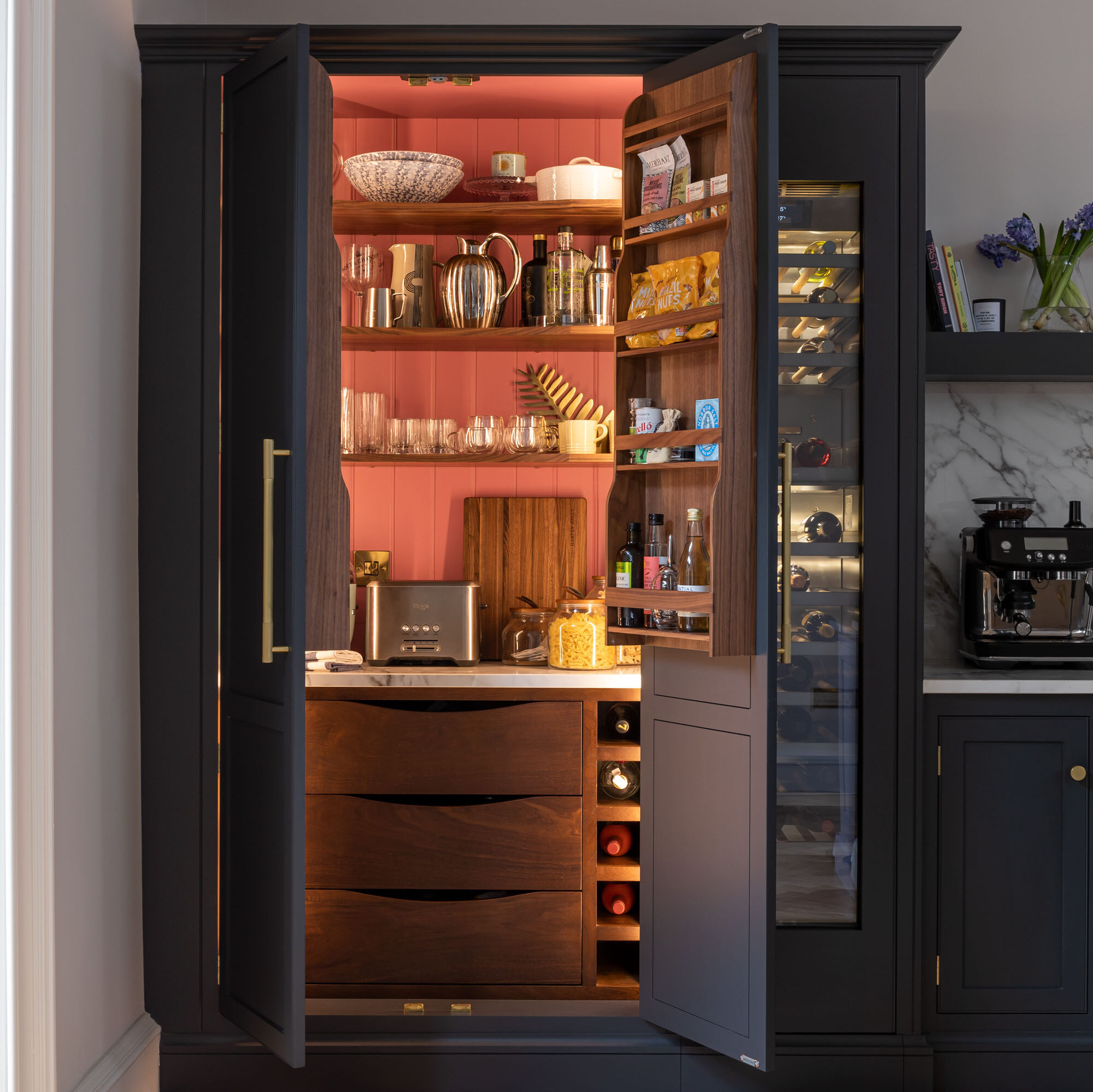
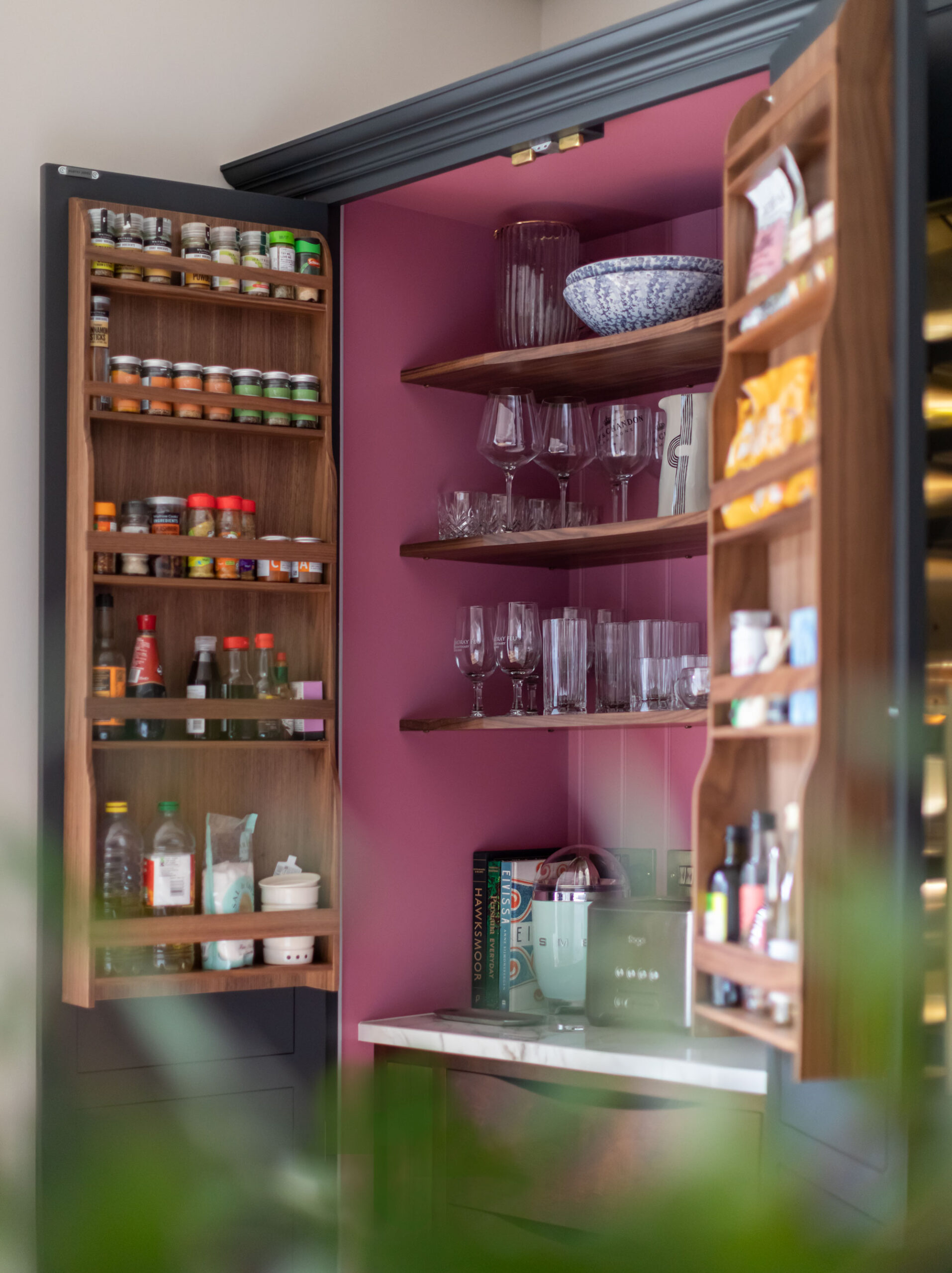
The hidden kitchen is about calm. Toasters, coffee machines and small appliances live behind doors, so the visible kitchen stays uncluttered when you’re relaxing or entertaining. This suits open plan homes, where the kitchen is always on view.
Drawers are doing more of the work too. Dish drawers, cutlery and spice dividers, integrated bins and deep drawers with custom inserts keep everything visible and within reach. The result is less bending, fewer wall units and a quieter room.
Where space allows, connecting the kitchen to a utility room (opens in a new tab) or boot room (opens in a new tab) keeps coats, laundry and pet supplies out of sight as well.
How to use this trend: Notice what tends to clutter in your current kitchen. Your designer can then plan bespoke fitted storage, so everything works behind closed doors. It’s one of the most practical 2027 kitchen trends for open plan homes.
“The hidden bar is a big seller! However, with clients now opting for more open plan spaces, having their appliances hidden away behind furniture is becoming incredibly popular. Our worktop dressers work beautifully and create a ‘function’ to that element of the kitchen (coffee machine, oven, microwave).”
Lewis Buckley, Harvey Jones Designer in Chester (opens in a new tab).
Texture is one of the strongest themes in 2027 kitchen trends. Designers describe layers as the way contemporary kitchens gain character, and materials are where those layers begin.
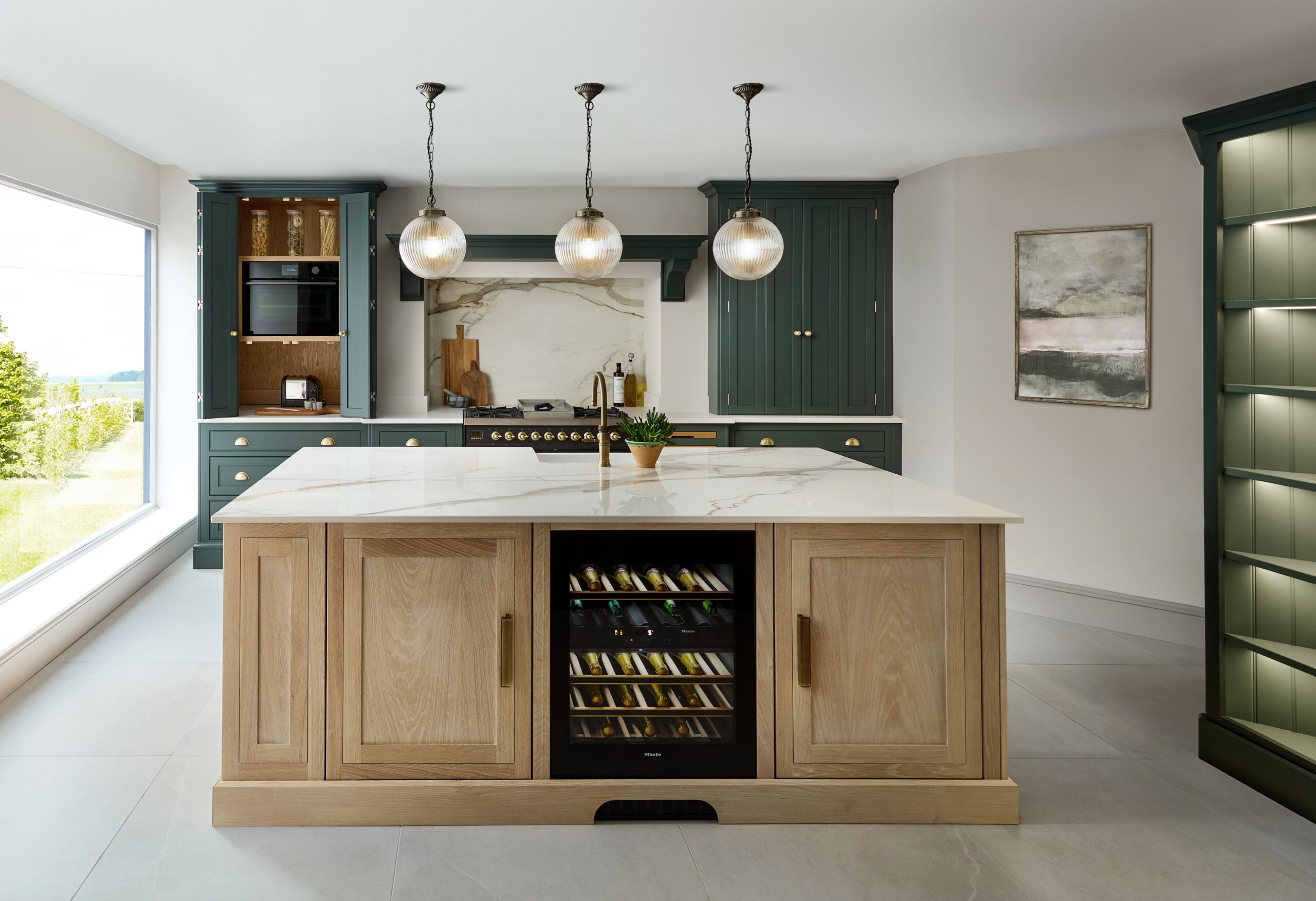
Natural wood is the 2027 kitchen trend with the clearest direction. Light and white oak has led recent years, and designers now expect richer variations such as walnut to take a larger role. Expect deeper tones and more visible grain.
Warm wooden cabinetry brings depth without needing bold colour. Two tone kitchens are the most practical way to use it. Pairing natural wood with hand-painted cabinetry gives balance and lets each material do what it does best.
Popular combinations include:
Solid materials are widely seen as a mark of true luxury. Bespoke solid wood kitchens can be refreshed rather than replaced, and luxury wood kitchens develop character as they age.
If you’re drawn to deeper tones, our guide to why dark wood kitchens are making a comeback (opens in a new tab) goes further.
How to use this trend: Use timber where you’ll see and touch it most, such as an island, a dresser or tall cabinetry. Keep the rest of the luxury kitchen calmer in a warm painted shade.
“Solid wood is a big design trend due to its timeless appeal and ability to bring a natural warmth and texture from a sustainable material. The growing focus on eco-conscious design decisions makes wood a popular choice in the kitchen, it’s a renewable material and highly durable for high traffic areas. We love it used on an island or contrasting cabinetry to provide visual interest and layered design.”
Rachel Davis-Zavala, Harvey Jones Designer in London (opens in a new tab).
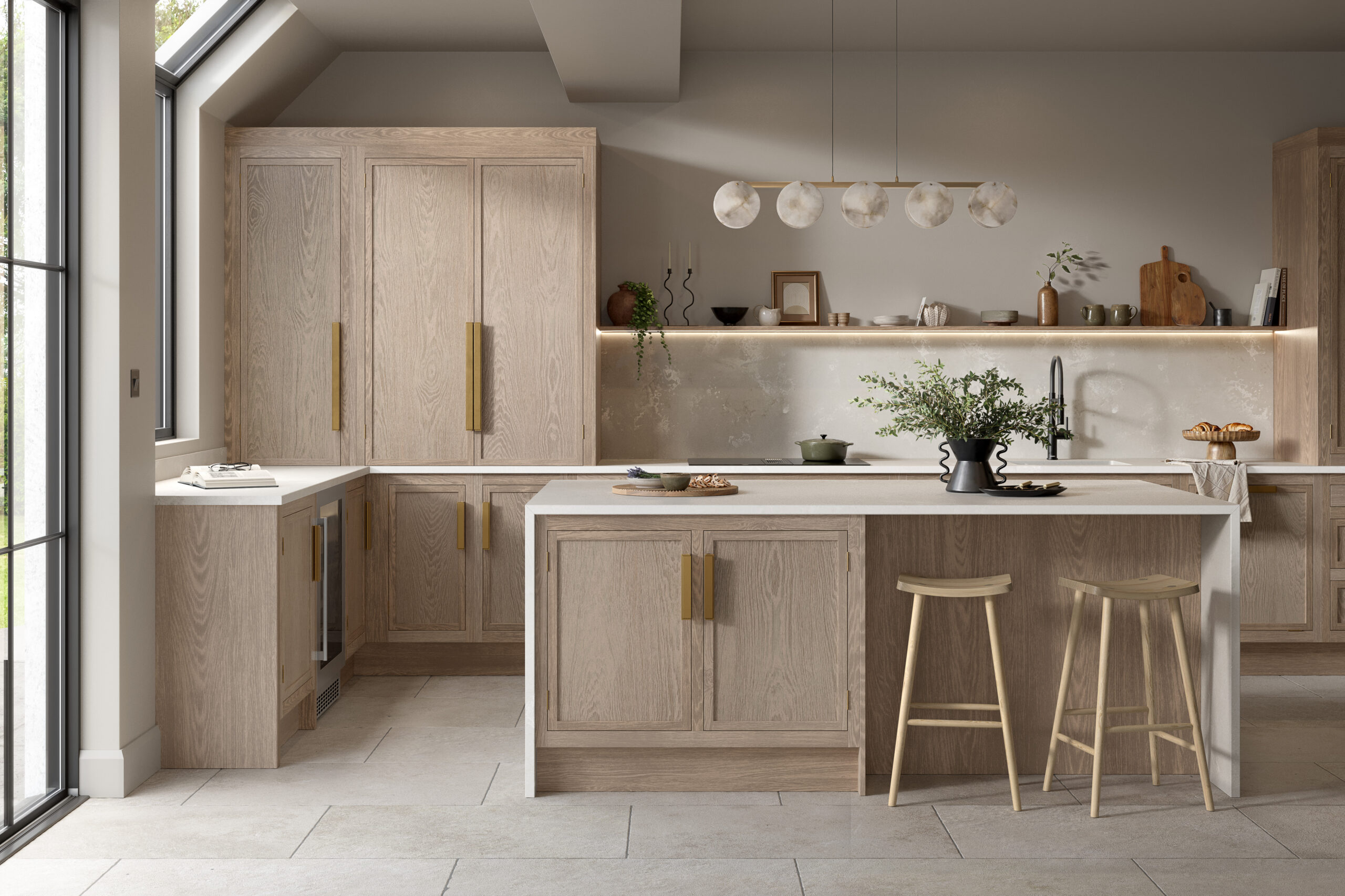
Shaker remains a firm favourite, and it’s evolving. Slim Shaker kitchens (opens in a new tab) keep the familiarity of a classic door with a lighter, cleaner profile. They suit both traditional and contemporary bespoke kitchens, and they’re particularly well suited to period properties.
Every Harvey Jones kitchen is built in-frame. The doors sit within the cabinet frame rather than in front of it. This creates crisp shadow lines and shows the joinery instead of hiding it, which fits the wider move towards visible craftsmanship.
How to use this trend: Choose Slim Shaker for the main kitchen, then bring in one contrasting detail, such as a handleless pantry or a panelled island. It’s a refined way to follow 2027 kitchen trends while keeping the timeless character of luxury shaker kitchens.
“This trend is popular because of its versatility. Micro shaker cabinets strike the perfect balance between classic and contemporary, making them adaptable to design preferences. Their clean lines and subtle detail can be dressed up with rich paint colours or paired with tactile materials like natural stone or wood to add warmth and texture.”
Rachel Davis-Zavala, Harvey Jones Designer in London (opens in a new tab).
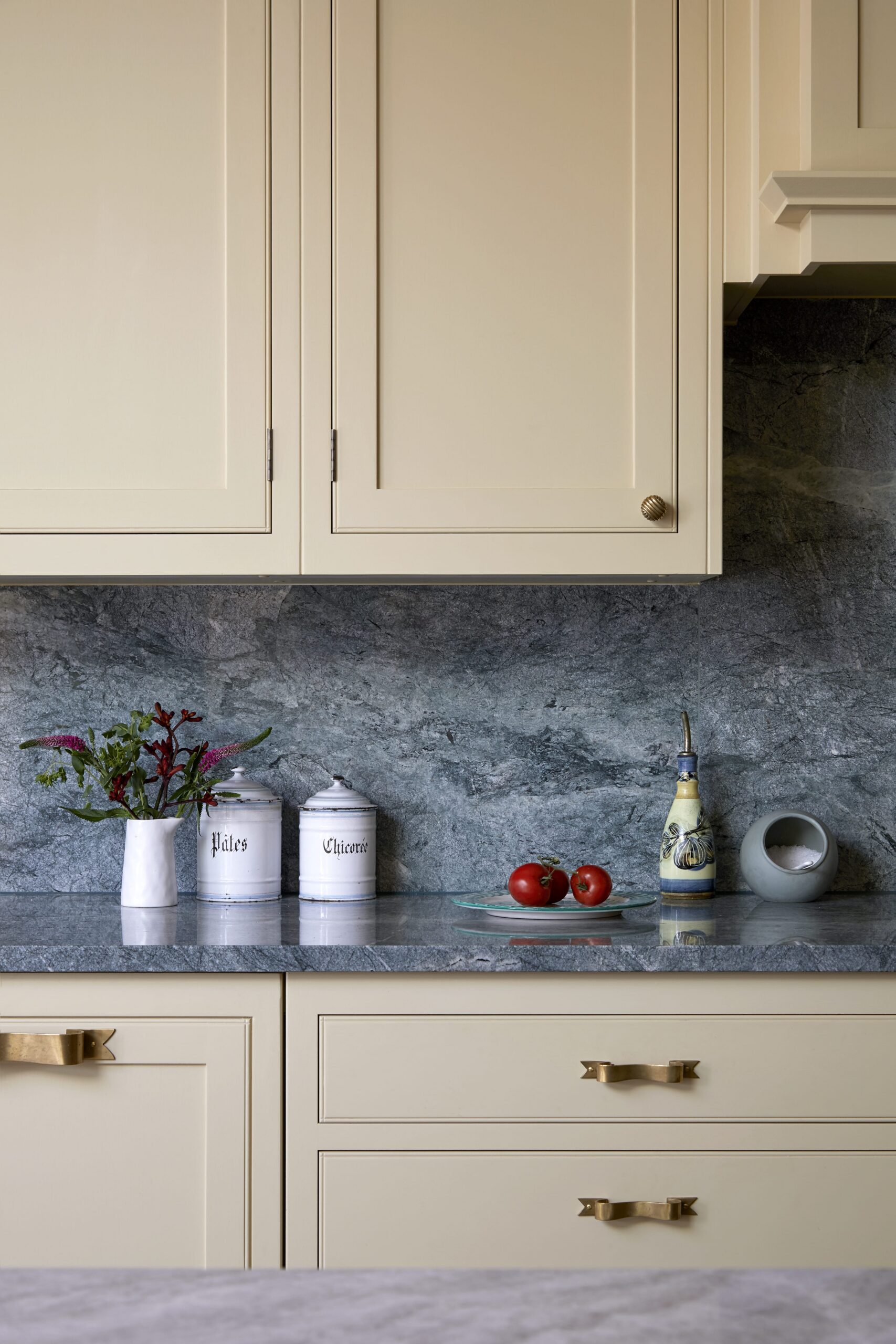
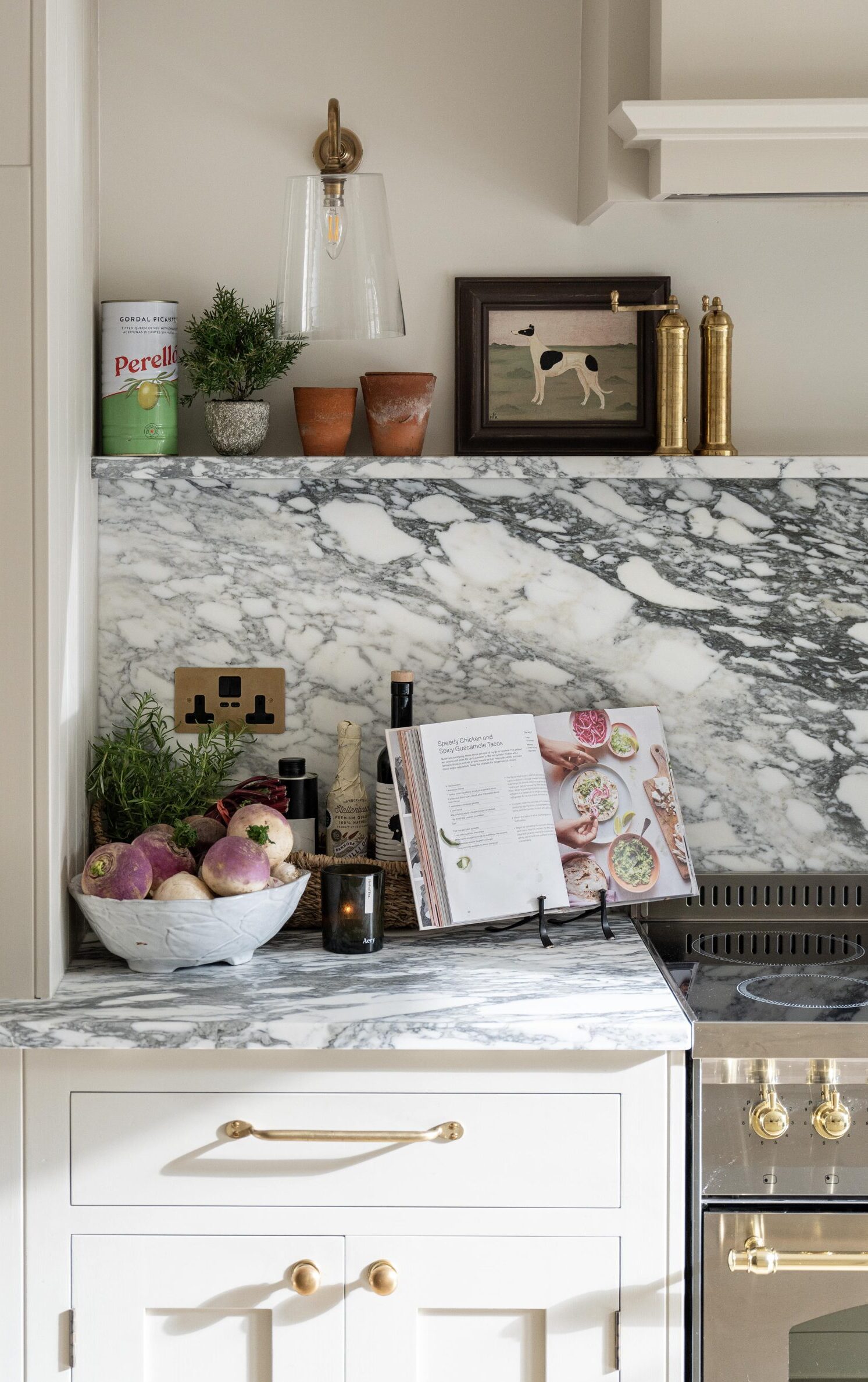
Stone continues to move away from uniform and towards character. In luxury kitchens, heavily veined marble, honed finishes and stone with soft variation give worktops and islands a presence that engineered surfaces rarely match.
For 2027, stone also travels. Running it up the wall as a splashback, or adding a single thick shelf in matching stone, turns a surface into a feature. Honed and matte finishes reduce glare and fingerprints, which suits busy family kitchens.
How to use this trend: View full slabs in person, ideally in daylight, because veining changes with the light. Use stone in one or two places rather than everywhere, so it stays a statement in your bespoke kitchen.
“Choose a marble or marble-look worktop and splashback with rich veining for an on-trend, luxurious feel. Statement stone makes the island feel more considered and expensive.”
Claire Watson, Harvey Jones Designer in Harrogate (opens in a new tab).
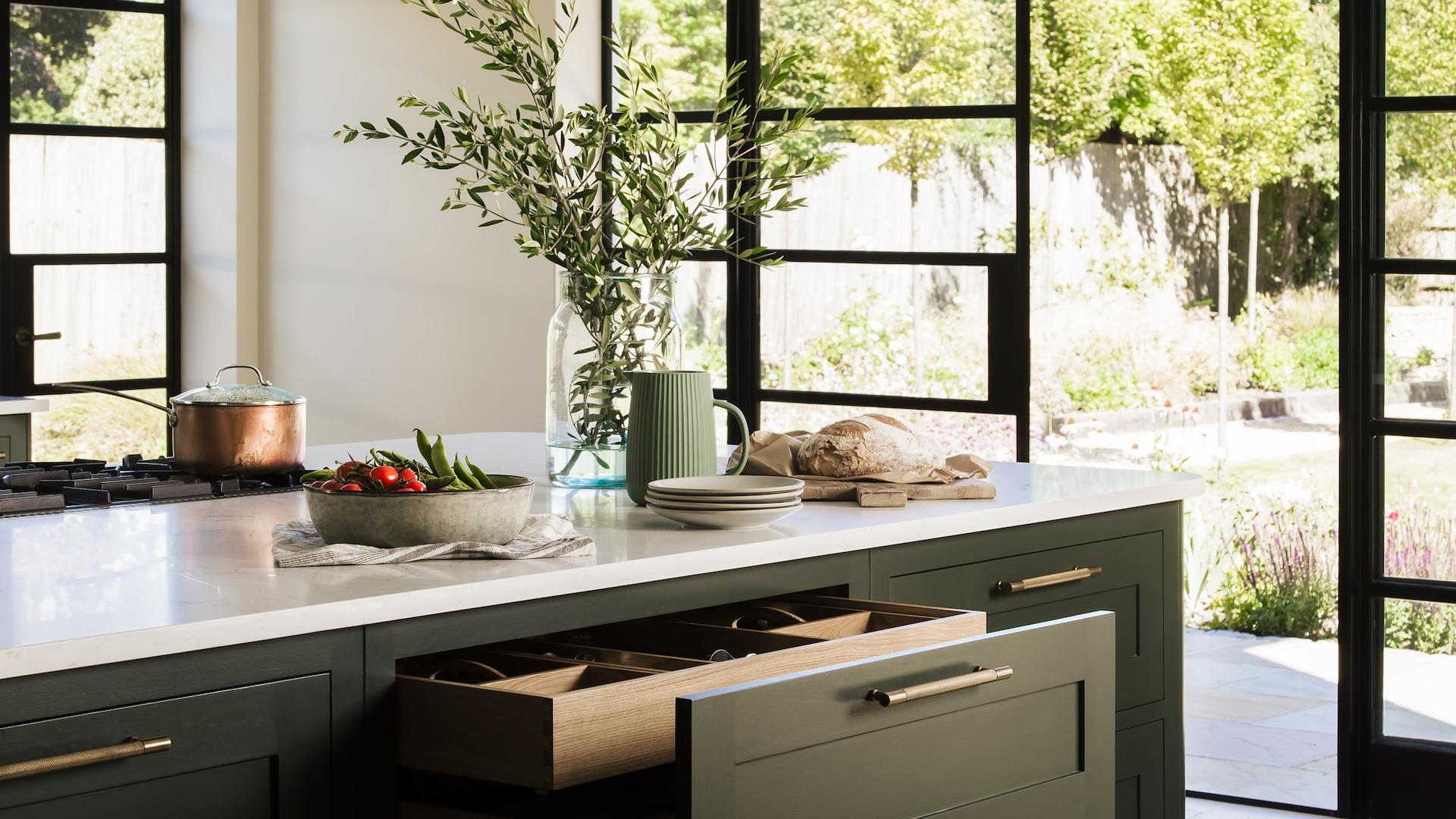
Homeowners are asking more questions about where their kitchen comes from and how long it will last. For us, sustainability starts with longevity.
Our bespoke kitchens are handmade in our Cambridgeshire workshop, using timber from responsibly managed forests. When you want a change, you can repaint, replace handles, reconfigure the layout or add to the existing furniture instead of starting again.
British craft matters; homeowners increasingly want to know where the items in their home come from and who made them.
If you’re comparing sustainable kitchen materials, look for responsibly sourced timber, solid construction and long-lasting finishes you can renew rather than replace. Read more about our workshop (opens in a new tab) and refurbishment service (opens in a new tab).
How to use this trend: Ask every supplier where materials come from, how the furniture is built and whether it can be refreshed. A kitchen you can repaint and update is a sustainable choice in any luxury kitchen.
“I believe it all starts with the bones – if the bones are good, then you can play with the rest for decades to come as a well-made cabinet will last a lifetime. Kitchen carcass construction is often overlooked by clients choosing their supplier as the visuals are naturally always so much more exciting to talk about!”
Charlotte Dubery, Harvey Jones Designer in Brighton (opens in a new tab).
Paint brands have been announcing their 2027 colours of the year since late summer 2026, and the choices show a shift towards warmth, depth and shades that are easy to live with.
Here’s what the colours of the year tell us:
These patterns match what we see in bespoke painted kitchens. Colour is moving towards earthy, lived-in shades and away from stark white and cool grey. Because our cabinetry is hand-painted (opens in a new tab), it’s a low-risk way to try a trend. You can repaint later if your taste moves on.
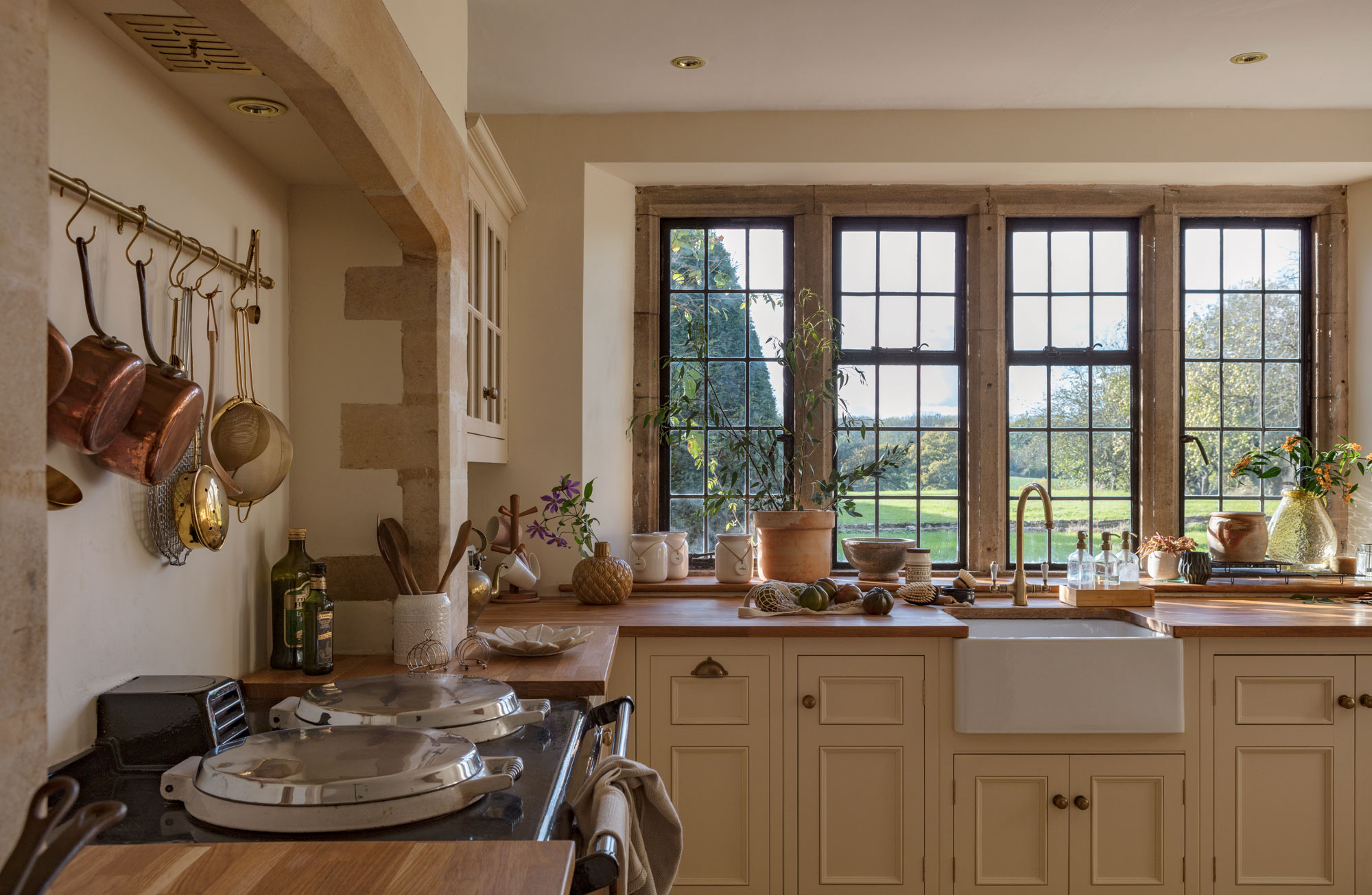
Mushroom, putty, taupe and clay continue to replace cool grey as the backdrop to many kitchens. Designers also report plenty of chocolate and caramel at the moment. These shades sit comfortably between light and dark, and they pair beautifully with natural wood and stone in luxury kitchens.
How to use this trend: Compare colours on large samples in your own room, and look at them in morning and evening light. Warm neutrals shift more than most shades. They’re the easiest 2027 kitchen trend to live with, and a calm base for a bespoke kitchen.
“We’re seeing a lot of interest in natural wood stains and warmer neutral tones at the moment. Classic properties tend to suit lighter, more understated colours, while city homes are often where clients feel more confident introducing bolder shades.”
Sally Hinks, Harvey Jones Designer in Edinburgh (opens in a new tab).
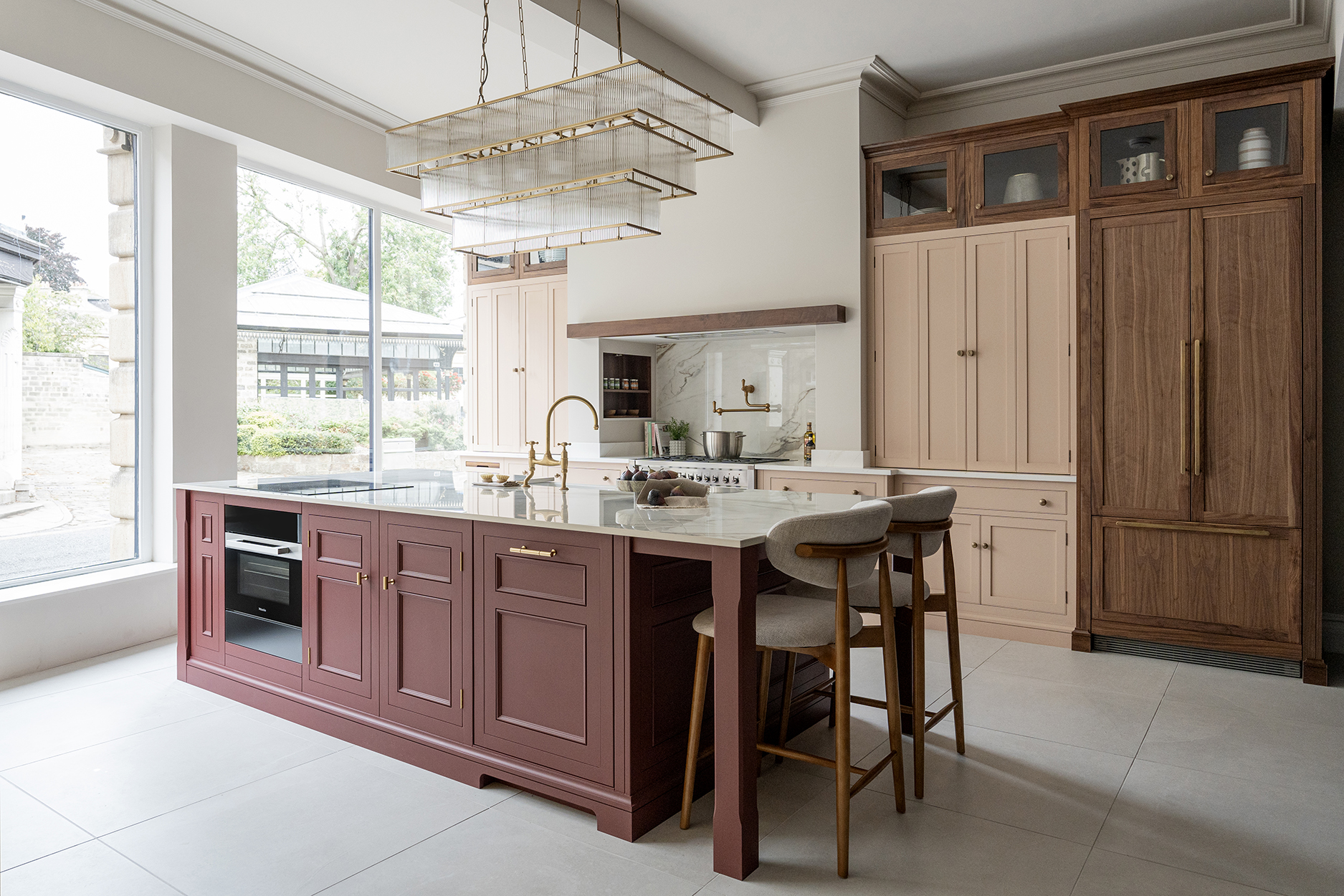
Deep purple is returning. Aubergine adds richness without feeling to heavy, and it sits well with warm neutrals and natural wood. Berry and burgundy tones continue from recent years, while muted pinks with an earthy cast are the softer end of the same family.
Use these colours on one architectural element, such as an island, a bank of tall cabinets or a pantry door. Then balance them with calmer shades elsewhere. This keeps the kitchen expressive without overwhelming the room.
How to use this trend: Start with one bold piece, such as an island or a pantry door. Test large samples in your kitchen if you can. In bespoke painted kitchens, colour is entirely customisable, which makes this a confident 2027 kitchen trend rather than a risky one.
“2027 trending kitchen colours build on the deep, luxurious tones we’ve admired this year, such as burgundy, aubergine, and dusty link – all of which would make stunning choices for a two-toned kitchen design.”
Claire Watson, Harvey Jones designer in Harrogate (opens in a new tab).
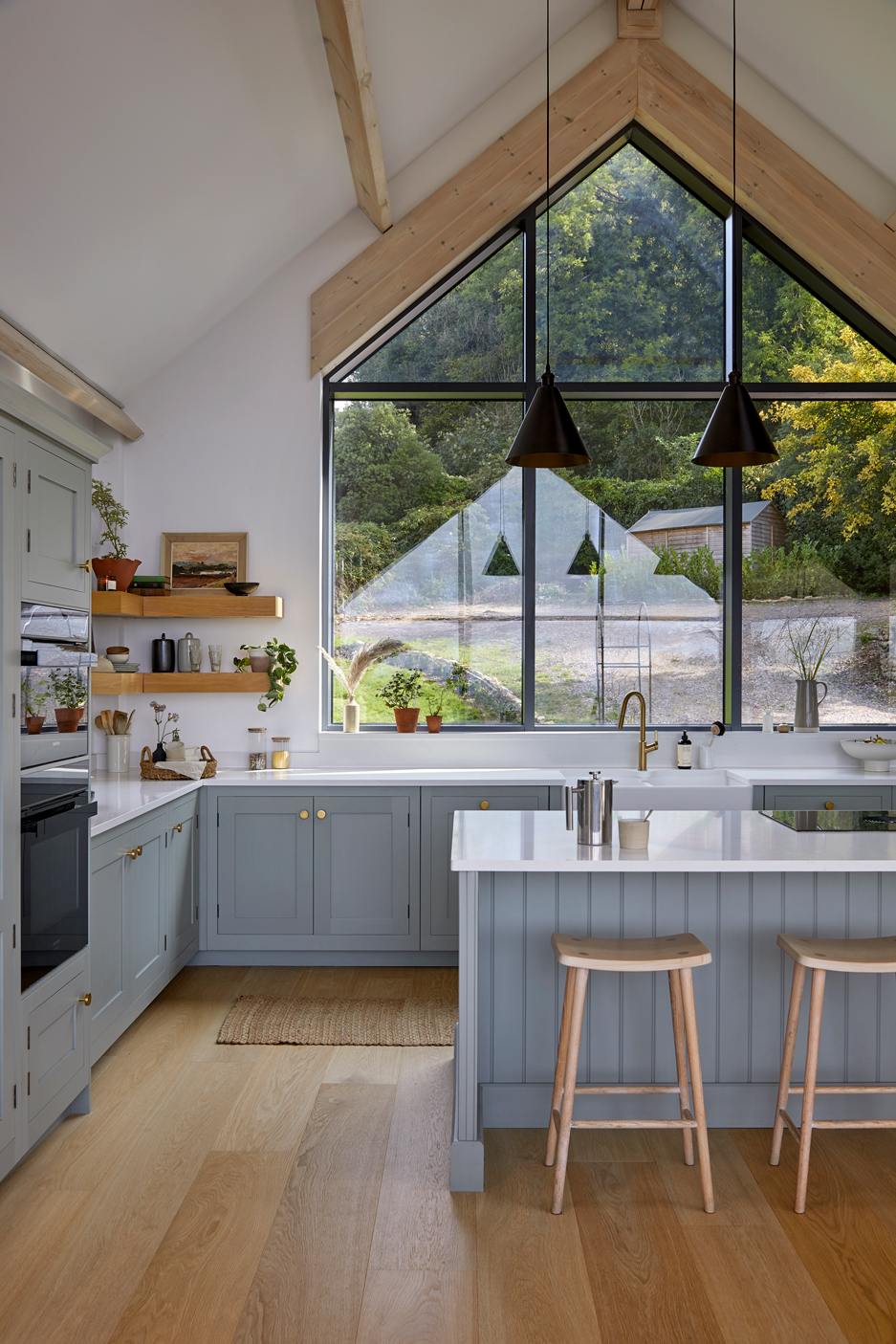
Green remains one of the most reliable colours for kitchens, and 2027 pushes it towards soft sage, olive and yellow-green. Dulux positions Soulful Sage around living more lightly, and its soft, silvery quality suits bright family kitchens.
Pair sage with warm timber or clay tones for a nurturing feel. Choose quiet neutrals beside it for a restful one. Read our guide to sage green kitchens (opens in a new tab) for more inspiration. Soft midtone blues give a cooler alternative that still feels gentle, and they work well with brass or nickel hardware and pale stone.
How to use this trend: Choose a green with a grey or brown undertone, and test it beside worktop and flooring samples. Soft greens suit most luxury kitchens because they connect to nature and other rooms naturally.
“Sage green works beautifully when it’s balanced with warmer materials like brass hardware and natural wood. A sage green island paired with timber flooring or oak accents can feel really calm and inviting, but natural light is important too, as the overall scheme should always respond to the space it’s in.”
Jevon Bates, Harvey Jones Designer in London (opens in a new tab).
Designers say hardware and lighting are where 2027 kitchen trends come together.
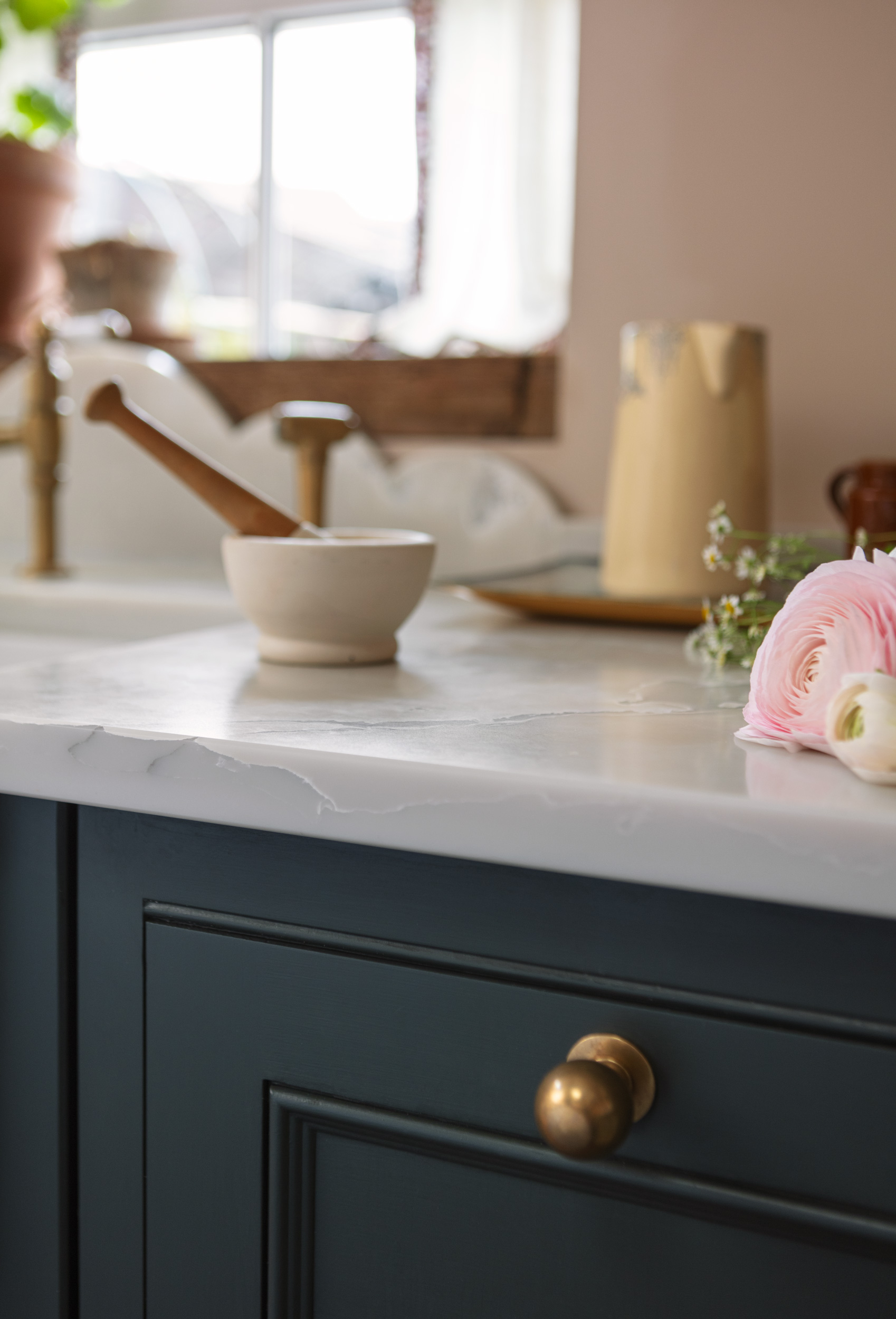
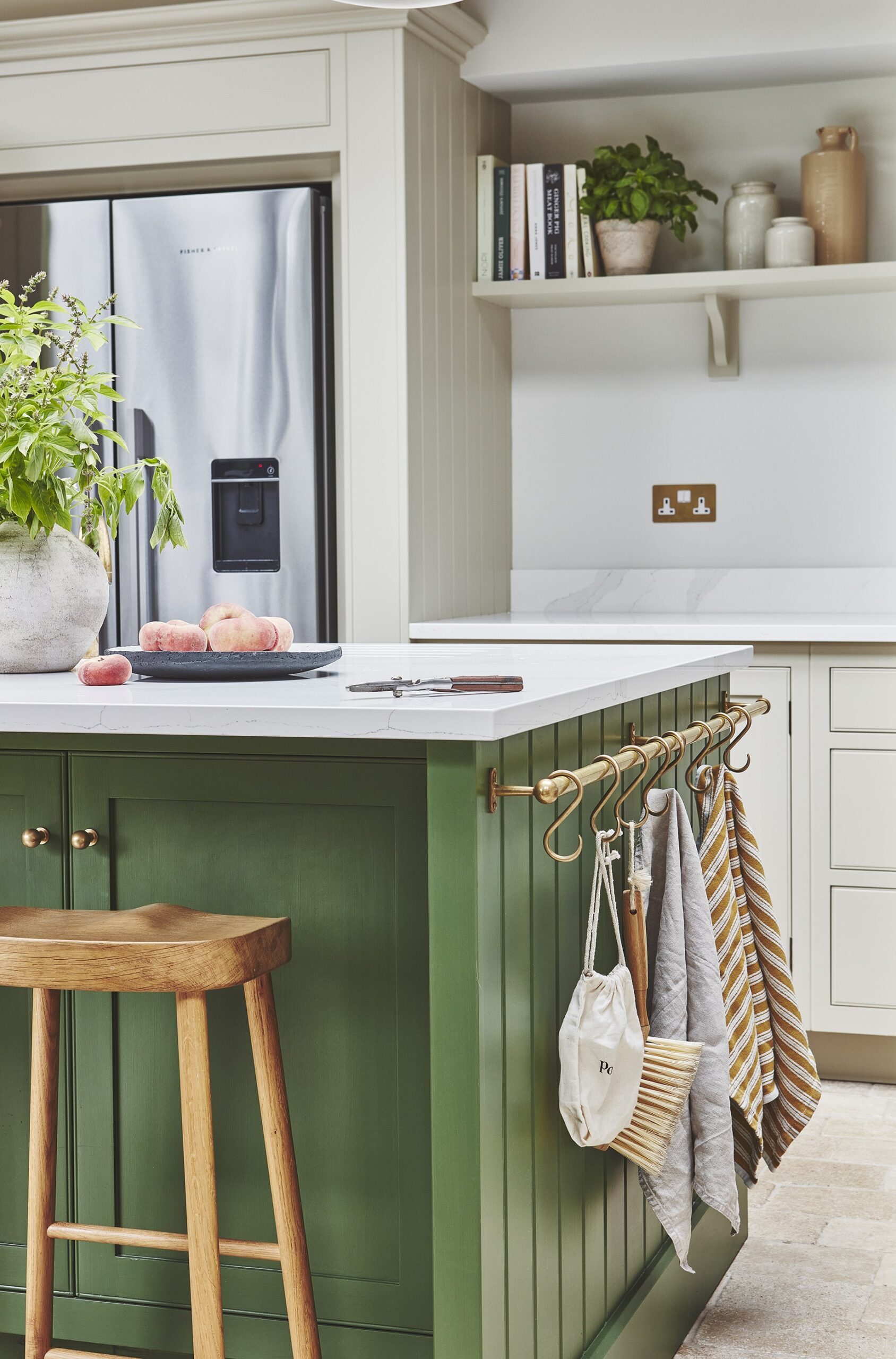
Brass remains a favourite, and nickel is returning alongside it. Cool, soft nickel suits deeper colour, darker timber and stone with grey veining. Warm brass suits earthy neutrals and natural wood.
Many designers now choose hardware early because handles, knobs and taps influence other decisions. In luxury kitchens, hardware is a chance to add refinement, and well-made solid pieces tend to outlast trends. Choose one leading finish and one supporting finish, then repeat them across taps, handles and lighting.
How to use this trend: Decide on your handles, knobs and taps at the same stage as your cabinetry. Hold physical samples against your painted colour and your worktop. In a bespoke kitchen, this is the simplest 2027 kitchen trend to try with the biggest impact.
“Looking towards 2027, I expect a more layered approach to metal finishes, with designers moving away from matching every element towards more considered combinations. We’re seeing more confident material pairings, often with unexpected contrasts: polished nickel against timber cabinetry, warmer brass alongside natural stone, and deeper tones such as bronze, which we’ve recently introduced to our palette, paired with darker oak and richer colours.
I also expect tactility and form to become increasingly important, with hardware considered alongside natural materials such as timber, veined stone and textured plaster from the outset.
Softer, more sculptural profiles, organic silhouettes and subtly pitted or textured surfaces will bring a new dimension. The way a handle feels in the hand, through its curves, weight and surface, can be as influential as its finish in shaping the overall character of a kitchen.“
Gareth Hull, Head of Marketing & New Product Development at Hendel & Hendel.
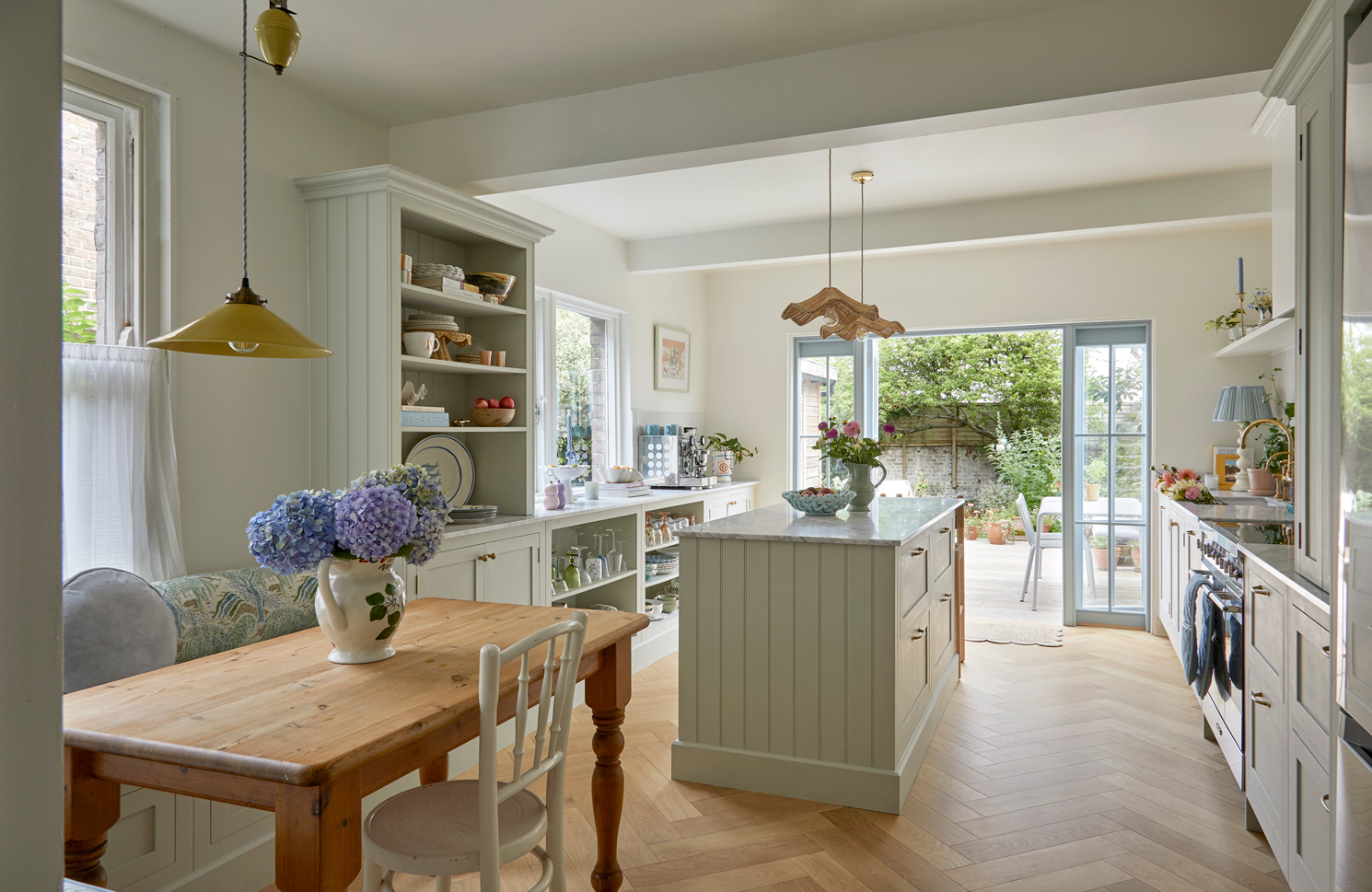
Lighting is one of the quickest ways to give a kitchen character. Think in layers, and give every light a job.
Task lighting works over preparation areas. Ambient lighting sets the mood in the evening. Accent lighting flatters stone, timber and shelving. A statement pendant adds drama over an island. Dimmers let one kitchen suit an early breakfast and a late supper.
Plan the wiring early, because lighting added afterwards rarely looks integrated. Our kitchen design process (opens in a new tab) includes lighting from the first conversation.
How to use this trend: Mark where you prepare food, where you sit and where you want atmosphere. Give each area its own circuit and a dimmer. In a luxury kitchen, a layered scheme is a 2027 kitchen trend that improves the room whatever your style.
“Layering your lighting is transformative in a big space that does many things. You may need bright task lighting for the kids doing their homework on an island while you’re cooking dinner. But then in the evening, having just cabinetry lighting and lamps on whilst having a glass of wine gives a cosy feeling at the flick of a switch.”
Sally Hinks, Harvey Jones Designer in Edinburgh (opens in a new tab).
Technology is becoming quieter in 2027 kitchen trends. The 2027 kitchen uses it to make daily life easier rather than to show it off.
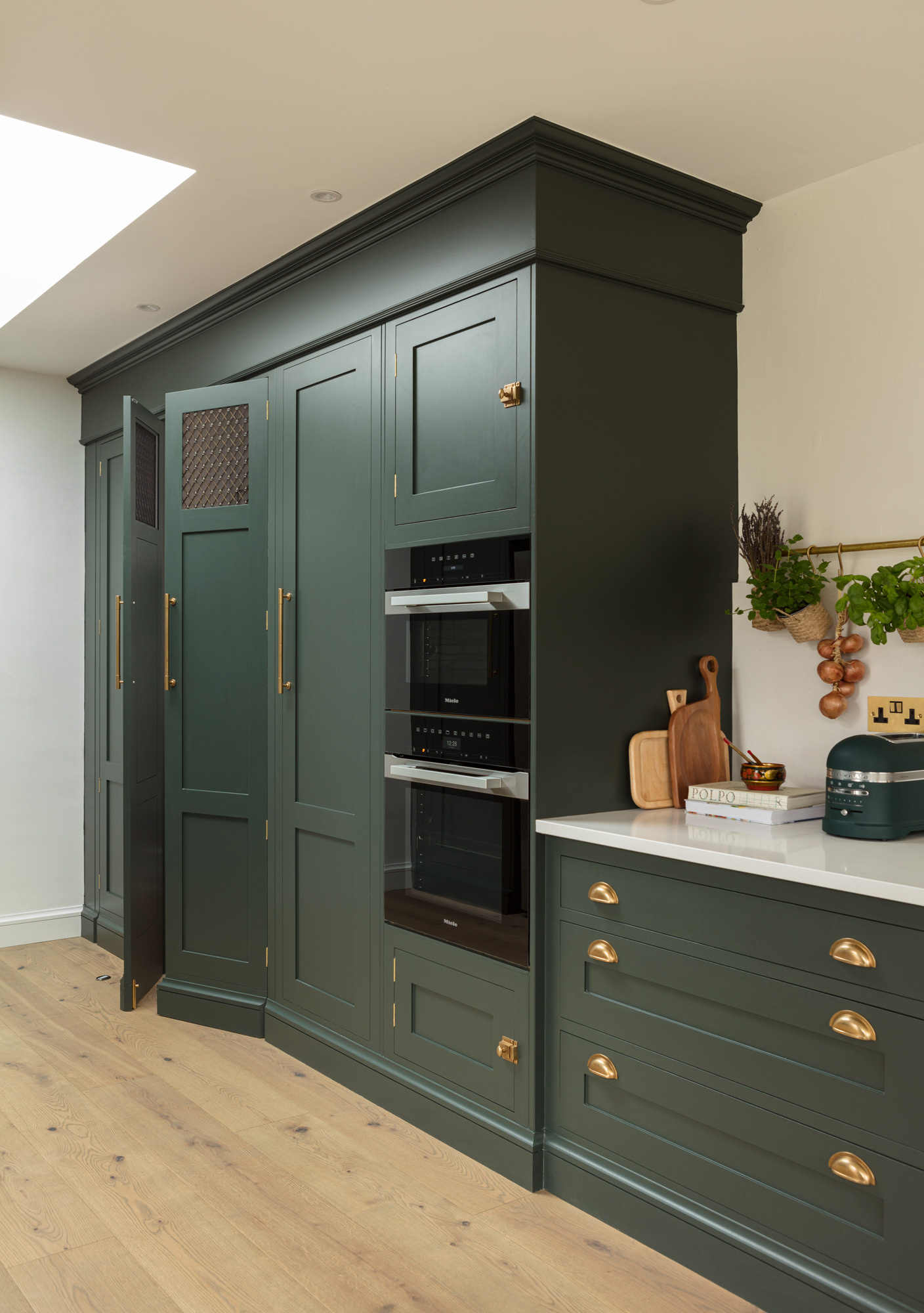
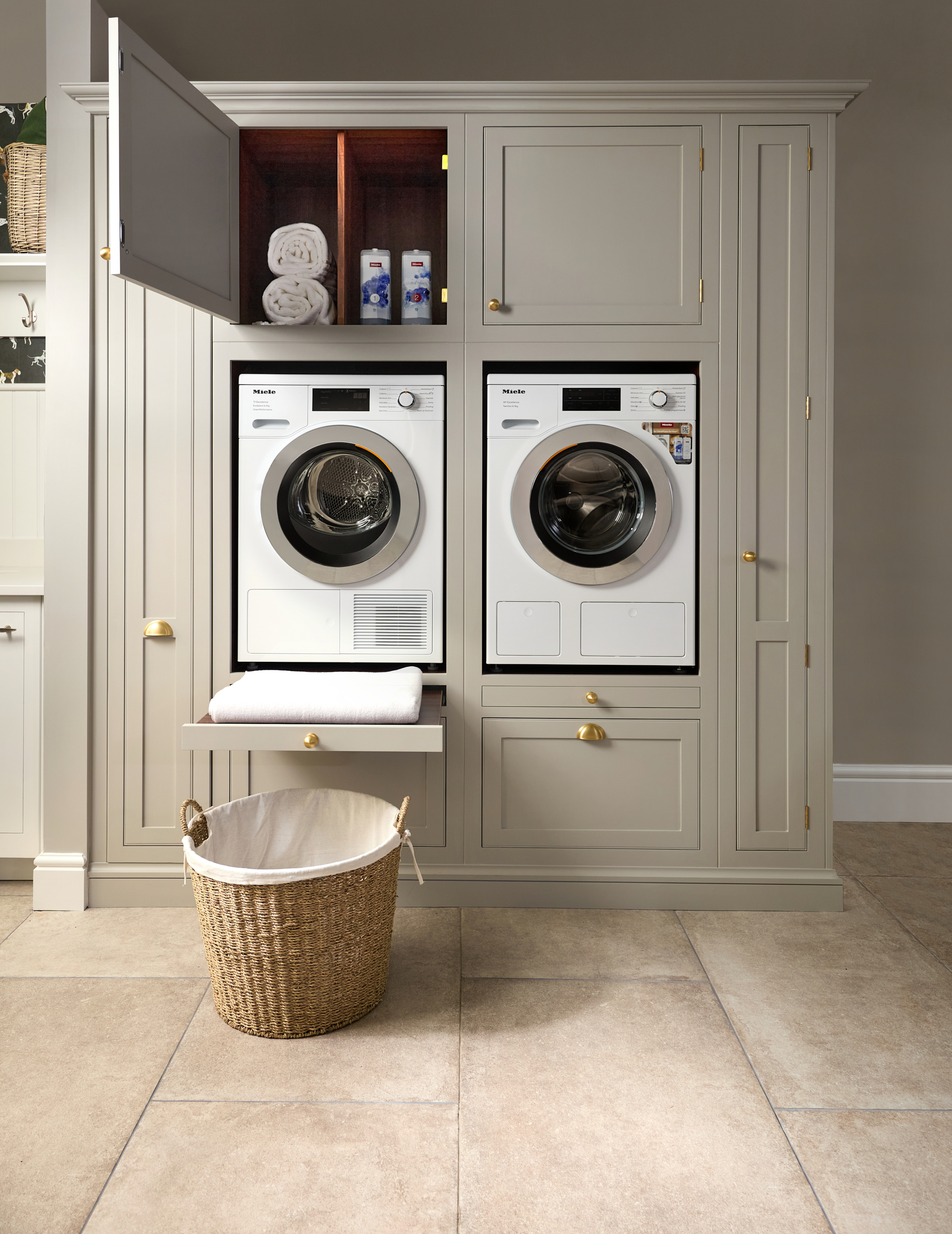
Connected ovens, fridges, extractors and induction hobs are becoming more capable. Some monitor cooking. Others send alerts to your phone. The design challenge is integration.
Smart appliances need power, data connections and ventilation planned into the cabinetry. Fitting them later is harder. Decide early which appliances you want, because their sizes and requirements affect the cabinet design. Keep the technology discreet with integrated appliances, and be honest about the features you’ll use every day.
If you’re wondering which appliances suit a 2027 kitchen, start with how you cook. Induction, steam and combination ovens suit different habits. Our designers advise on appliances and smart technology as part of every design.
How to use this trend: Share your appliance wish list at the first design meeting. Your designer can then plan power, data and ventilation into the bespoke kitchen from the outset.
“Appliances play a key function in terms of deciding the layout of a kitchen. There are lots of rules and regulations that might restrict certain appliances being in specific places or positions so I always make sure to get a really clear list of all the appliances on my client’s wish list before I begin to plot the layout.”
Charlotte Dubery, Harvey Jones Designer in Brighton (opens in a new tab).
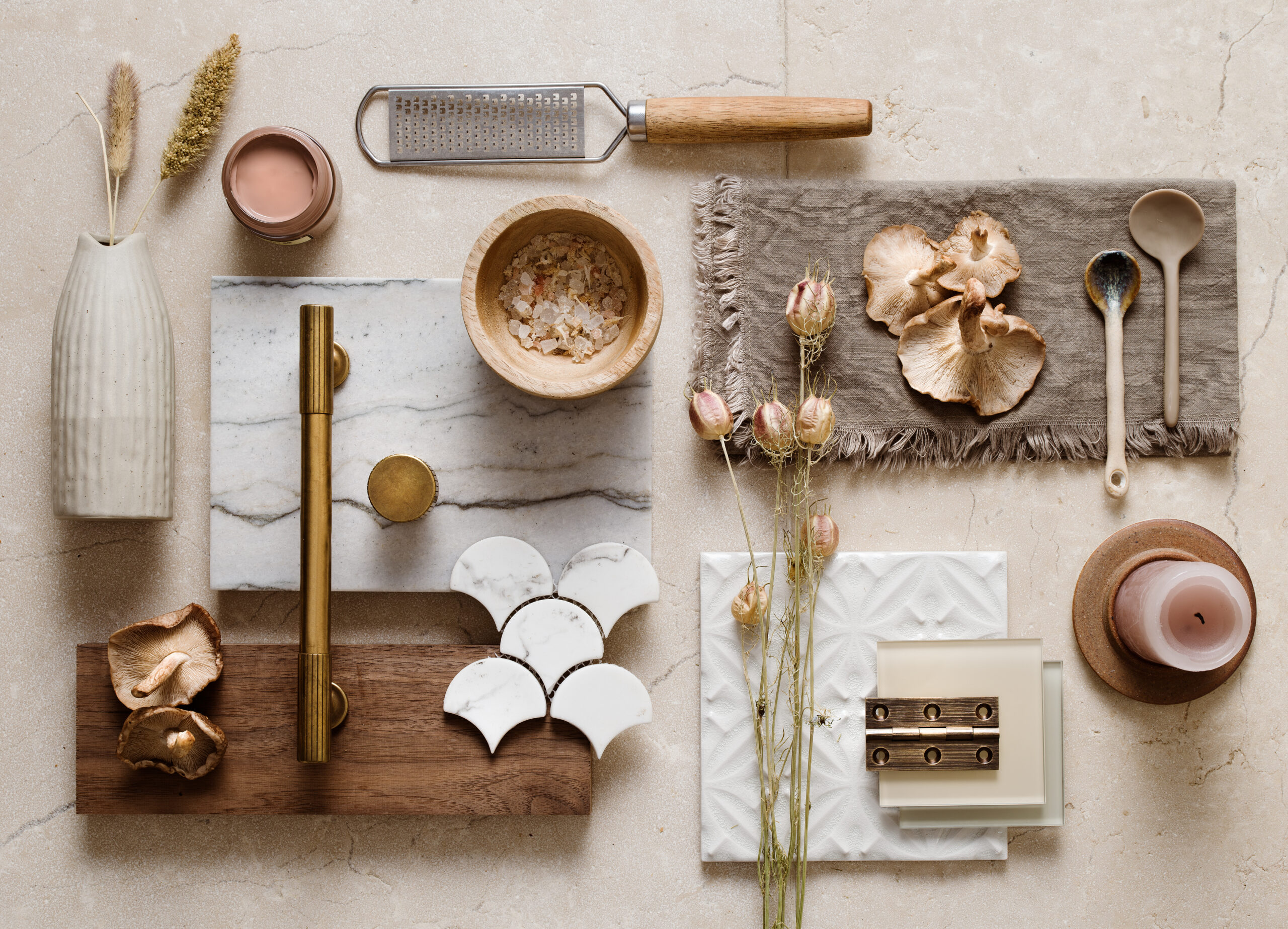
AI tools are now part of many renovation journeys. They’re useful for gathering ideas, testing colours and building a rough picture of a kitchen before you speak to anyone. They also have limits.
AI visualisers don’t know your room’s exact measurements, services or structure, and they can’t build what they show. Use AI to clarify your taste, understand colour and styles on a large scale. Then bring the images to a designer who can turn them into realistic, scaled plans.
Some appliances, like selected ovens from Miele (opens in a new tab), use AI-powered Smart Food ID technology to recognise certain foods and recommend suitable cooking programmes and settings. Other smart features, including an internal camera for monitoring cooking, voice control and remote software updates, make the cooking experience even more intuitive.
How to use this trend: Save three or four AI images that feel right and note what they have in common. Bring them to your design appointment with photos and measurements of your room. As 2027 kitchen trends and technology keep changing, a good brief still starts with you.
“I see AI-generated images as a starting point for a conversation. They help us understand what a client is drawn to, but it’s my job to explore what they love about the image and translate that into a real design that works for their home, their lifestyle and how they want to live.”
Claire Watson, Harvey Jones designer in Harrogate (opens in a new tab).
Designers often see clients arrive with Pinterest boards and social media ideas. Many of those boards change once the project begins and the client’s own style emerges. When choosing 2027 kitchen trends, a little structure helps.
Here’s how the 2027 kitchen trends fit different homes.
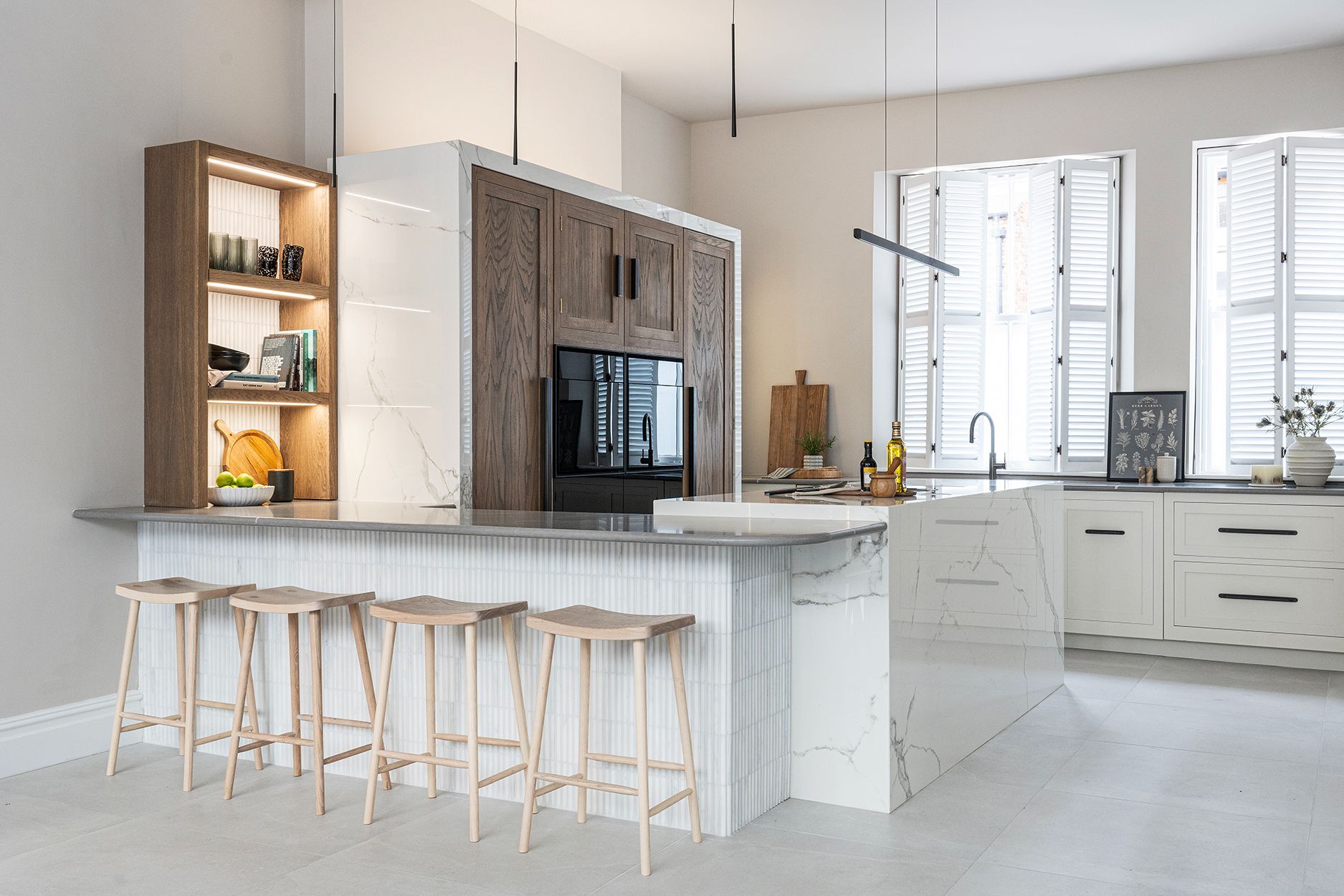
The strongest 2027 kitchen trends share a purpose. They make a kitchen warmer, calmer and easier to live in. Natural wood, soft colour, bespoke pantries and layered lighting help a kitchen feel personal. Hidden storage and planned technology help it work well every day.
You don’t need every one of the 2027 kitchen trends. Choose the ones that suit how you live, build in what’s hard to change and use paint and hardware for the rest. Handmade cabinetry that can be repainted and updated means your luxury bespoke kitchen can evolve with you.
A kitchen made with care and designed around you won’t belong to a single year. A kitchen you’ll truly love for years is one designed for life and built for living.
Our designers will help you translate these 2027 kitchen trends into a kitchen that suits your home. When you’re ready, explore our brochure or book a design appointment to start planning.
For bespoke kitchens, the biggest 2027 kitchen trends are natural wood and two tone cabinetry, slim shaker detailing, warm earthy colours, bespoke pantries, hidden storage and layered lighting. Technology is also becoming more integrated, with wiring and appliances planned early. Designers expect richer timbers such as walnut to take a larger role.
Yes, but the shade is changing. Brilliant white is giving way to softer, warmer neutral tones. These sit well alongside natural wood and stone. A warm neutral on the main cabinetry with a deeper colour or dark wood on the island is a popular combination.
Brown, soft sage green, muted pink, terracotta and softened blue feature across the 2027 colours of the year announced so far. Dulux chose Soulful Sage while Little Greene chose a warm brown called Marle. Graham & Brown chose the muted pink Rose Earth. Hand-painted cabinetry makes these colours easy to try.
Yes. Two tone kitchens are one of the most practical ways to use 2027 kitchen trends. Natural wood paired with hand-painted cabinetry adds warmth and balance. Popular options include a timber island with painted cabinetry and painted cabinets with timber tall units or a timber pantry.
Connected ovens, fridges, extractors and induction hobs are the most common smart additions. The key is planning. Appliances need power, data and ventilation designed into the cabinetry from the start. Choose features you’ll use daily, and keep the technology discreet so the kitchen stays calm.
AI is useful for gathering ideas, testing colours and creating a rough picture of your kitchen. It can’t account for exact measurements, services or joinery. Use it to clarify your taste, then work with a designer to create scaled plans for a kitchen that’s made to fit.
Settle layout, joinery and wiring first, because they’re hardest to change. Then use colour, hardware and styling for trends. Hand-painted cabinetry and replaceable handles let you update a kitchen over time. Choose trends one at a time, based on how you live and what you truly love.
Yes. Harvey Jones has nationwide showrooms where you can see luxury kitchens in the UK up close, including hand-painted cabinetry, natural wood and stone. A designer can talk through your plans with you. You can find your nearest showroom or request an appointment.
Begin your design journey and craft your dream kitchen.
Home, Style and Design · 11 Nov 2026
Home, Style and Design · 19 Oct 2026
Home, Style and Design · 6 Oct 2026