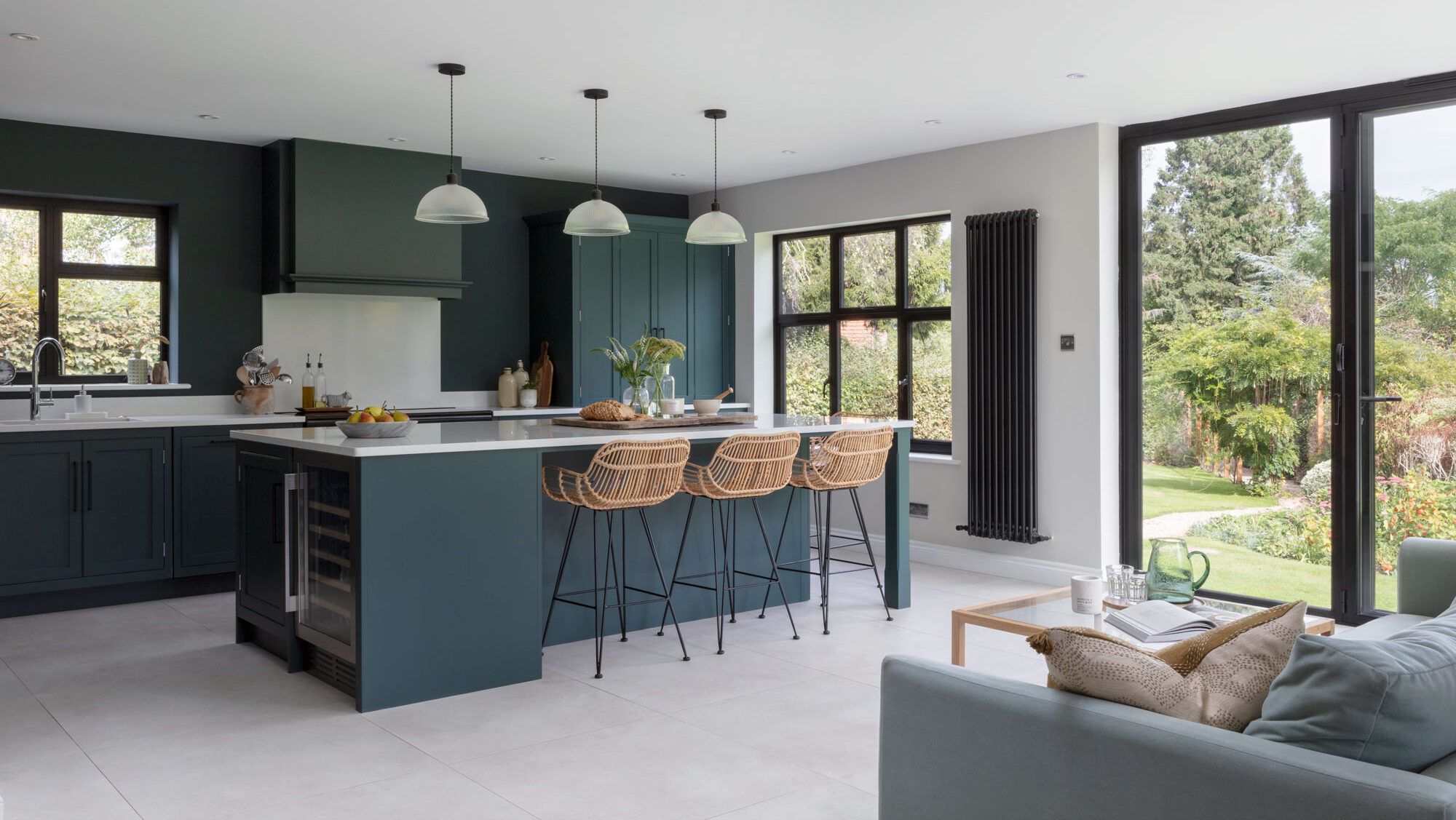
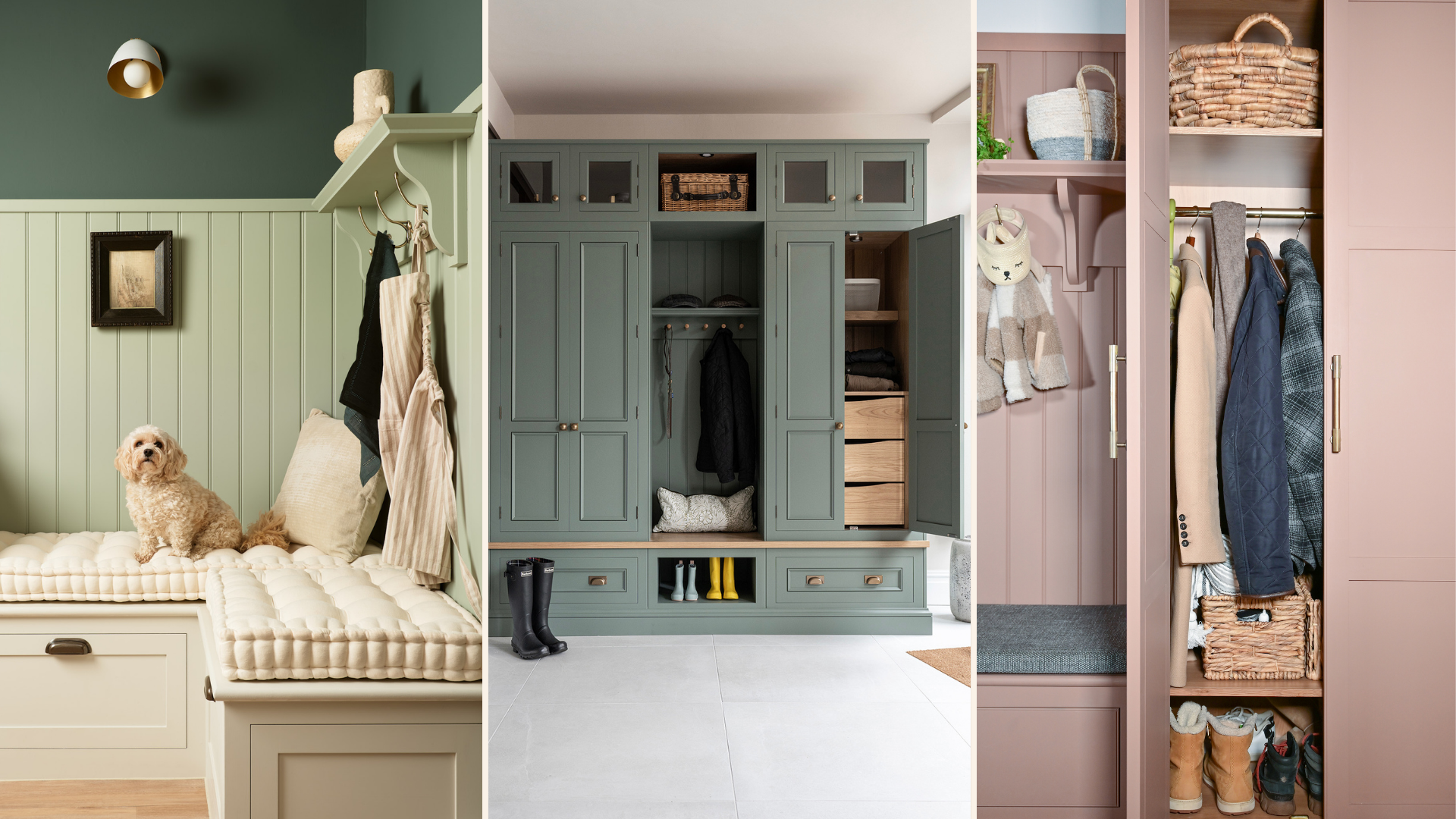
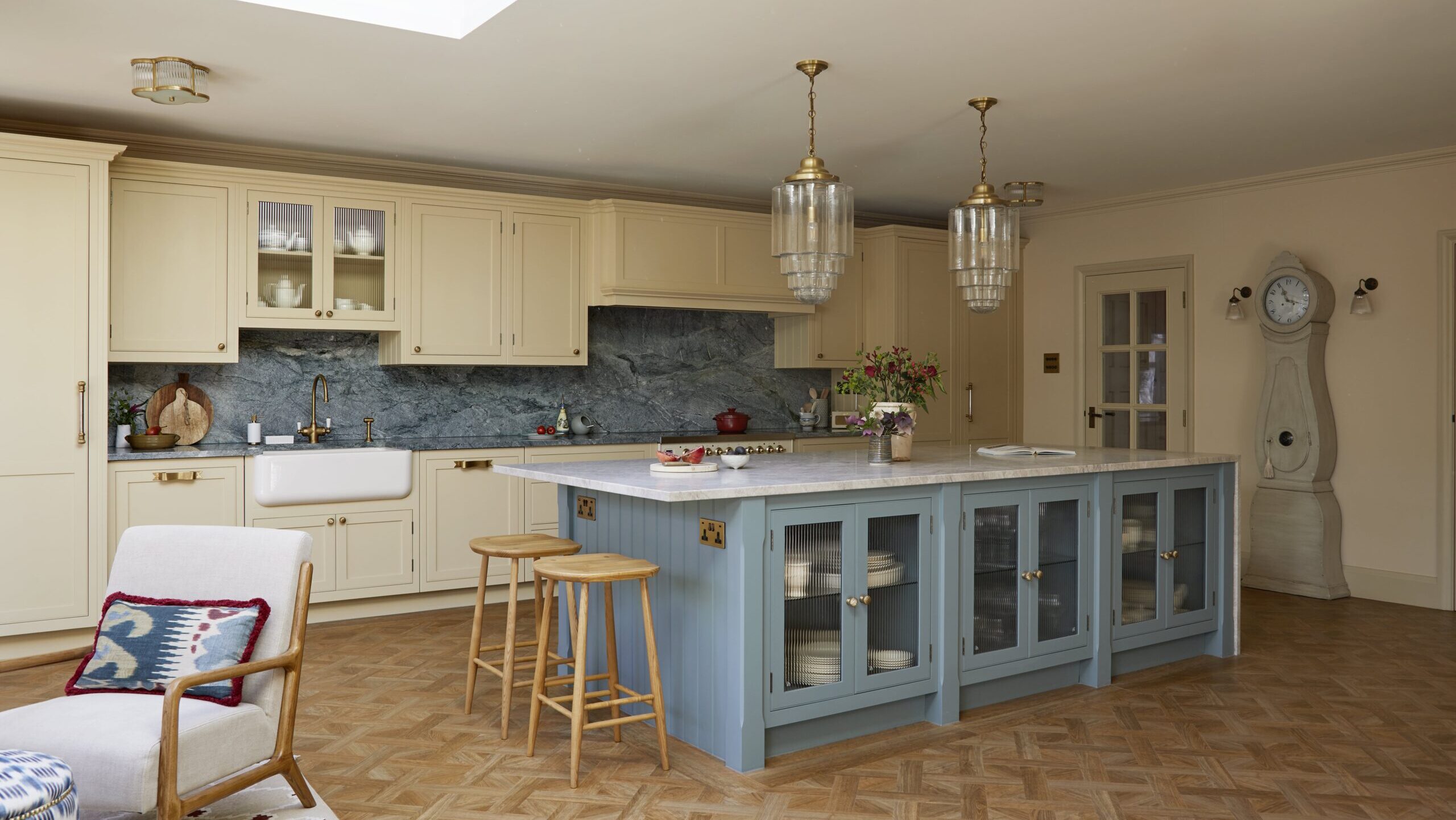
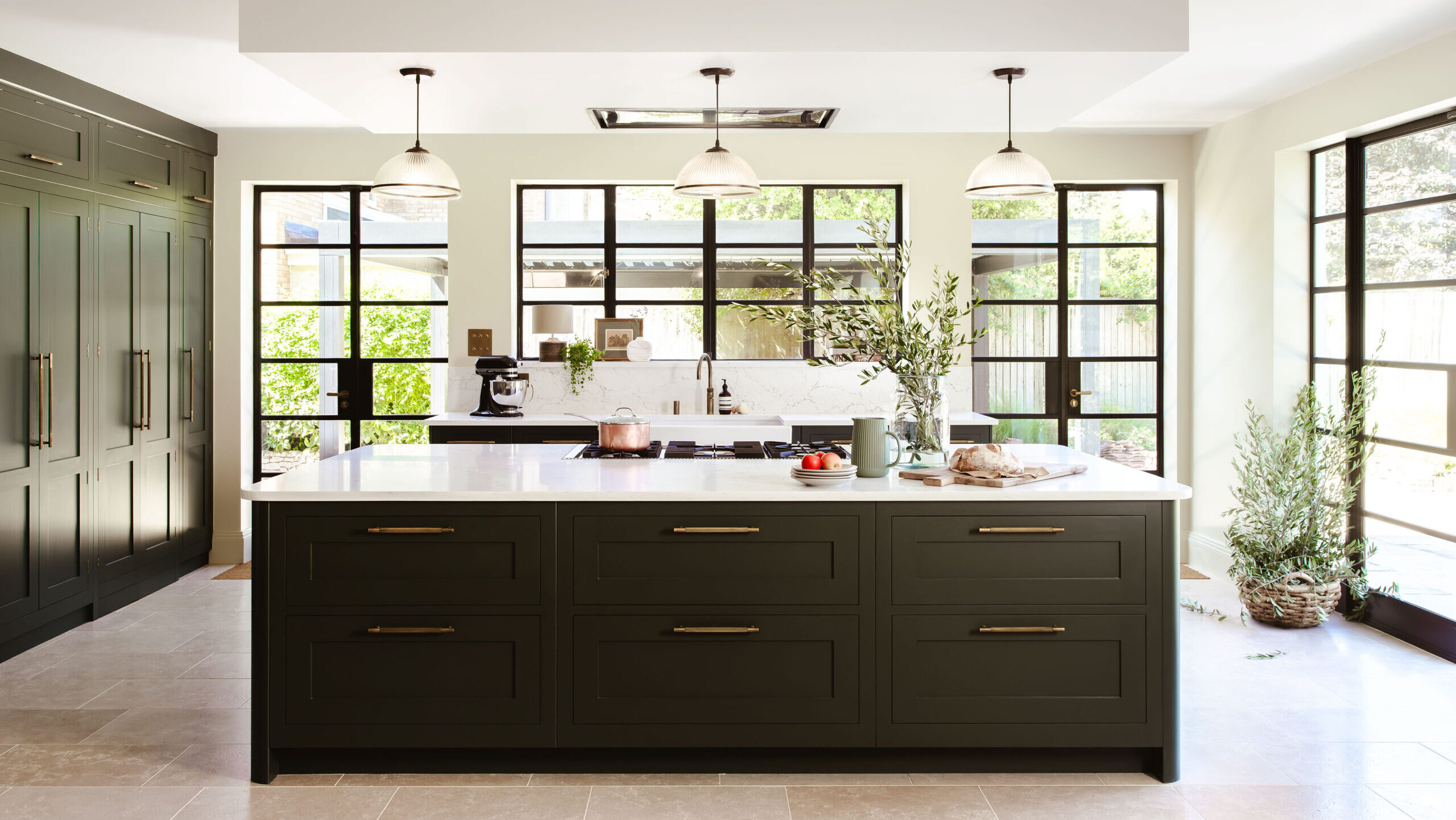
Designing your dream kitchen rarely begins with measurements or floor plans. More often, it starts with something less defined. A colour you keep coming back to. A material you’re drawn to. An image from social media, or even just a feeling you want your space to evoke. This is where a kitchen moodboard becomes invaluable.
At Harvey Jones, moodboarding is one of the first steps in our bespoke kitchen design process, where your vision starts to take form. It allows ideas to be explored freely, helping both you and your designer visualise a kitchen that feels personal, considered and perfectly suited to the way you live.
Importantly, kitchen moodboards aren’t restrictive or permanent. They’re a creative tool that encourages experimentation, allowing you to play with colours, materials and concepts before any final decisions are made.
What Is a Kitchen Moodboard & Why Is It Useful?
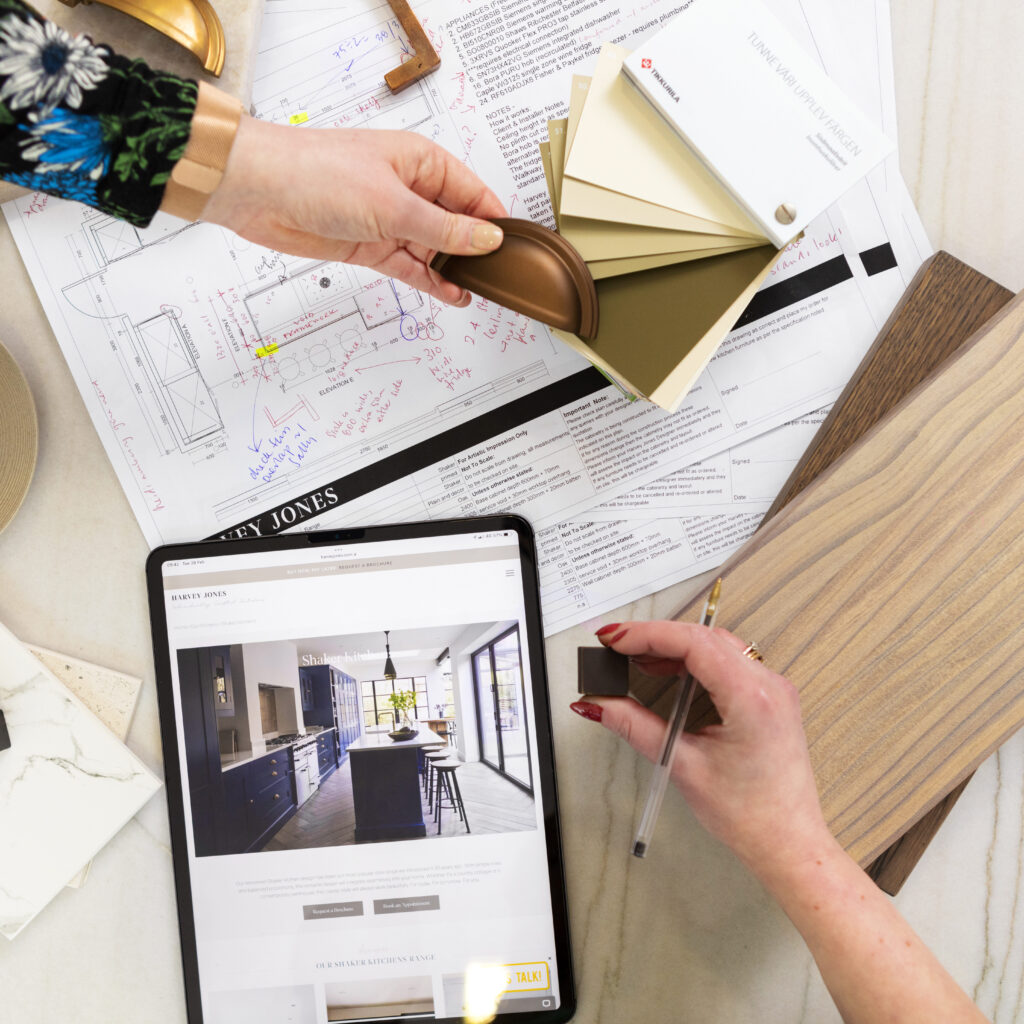
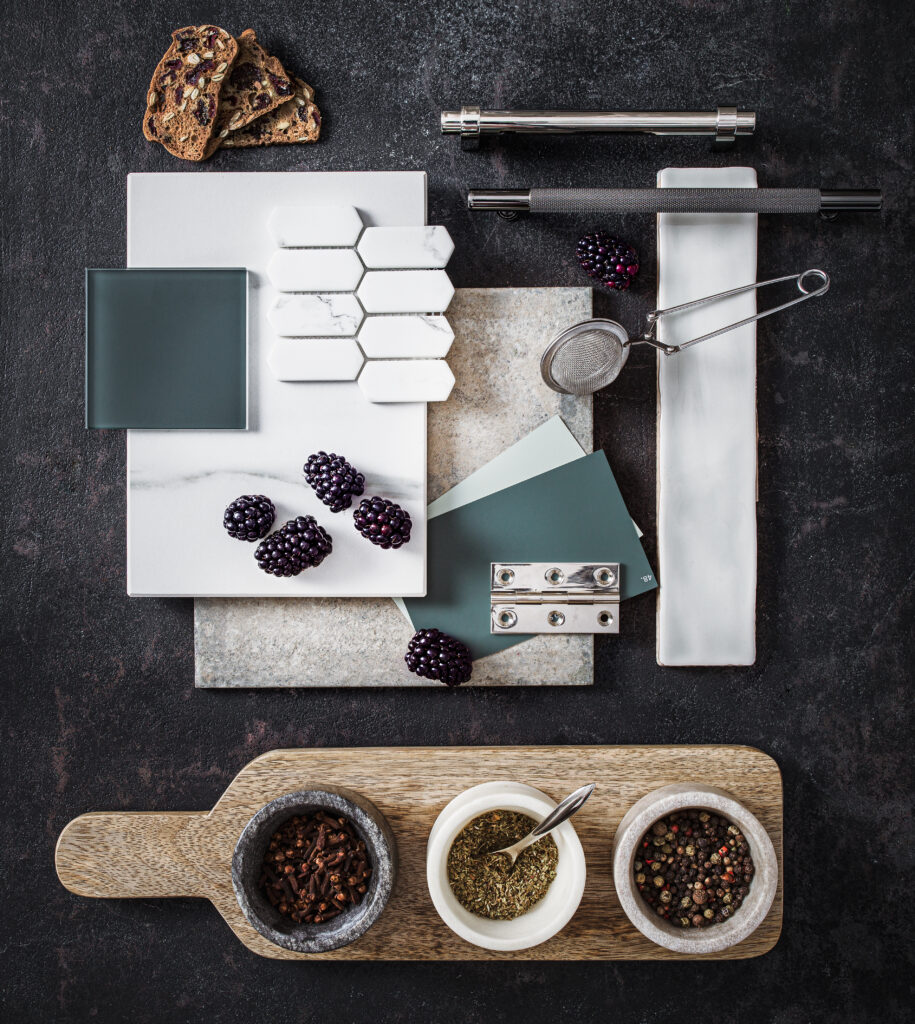
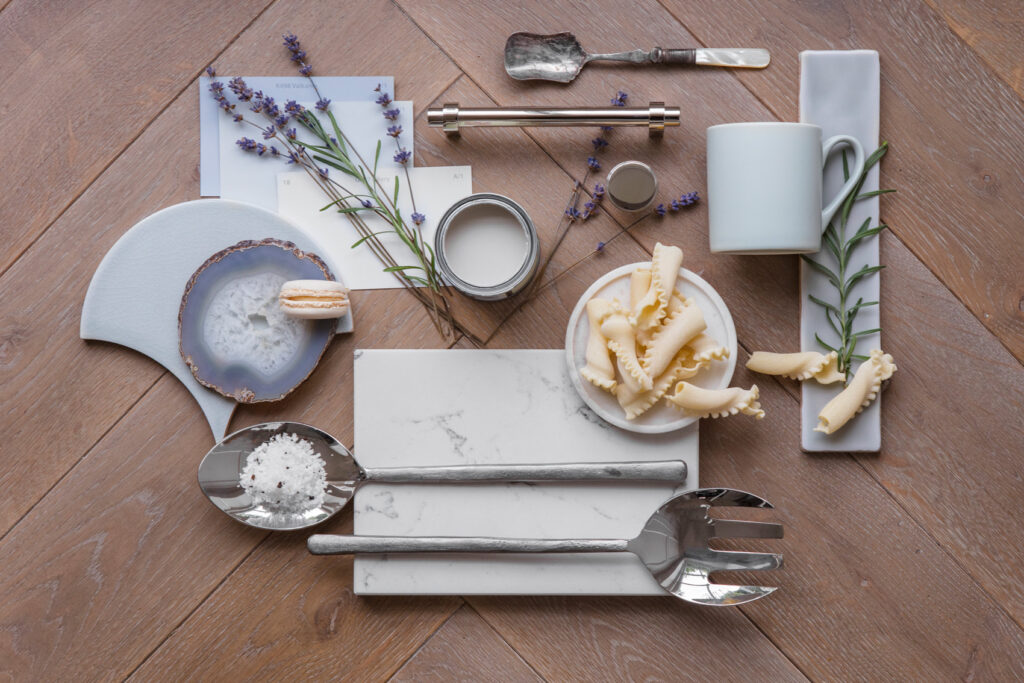
A luxury kitchen moodboard is a visual collection of inspiration that captures the look, feel and atmosphere you want to capture in your bespoke kitchen. It can include colours, materials, textures, finishes, furniture references, lighting ideas or photos.
Rather than locking you into specific choices, a moodboard creates direction. It helps clarify your style, highlights patterns in what you’re drawn to. It gives your kitchen designer insight into how you want your space to feel, not just how it should function.
For clients who feel overwhelmed by choice, a kitchen moodboard can also bring focus. Seeing ideas laid out together often reveals what works harmoniously and what doesn’t, making it easier to move forward with confidence.
How To Start Your Kitchen Moodboard
If you already have ideas in mind, these can be helpful to bring along to an in-person design appointment for expert advice. That said, you don’t need to visit a showroom with a fully formed vision. In fact, the most effective kitchen moodboards often begin loosely and evolve through conversation and collaboration.
Here’s the best ways to begin designing a kitchen moodboard:
- A colour you’re drawn to, whether it’s a paint sample, fabric swatch or an item from your home
- A tactile material sample, such as wood, stone or metal that you enjoy the feel and finish of
- Images from social media, including Instagram posts or a Pinterest board
- Magazine clippings or editorial features that capture a look or detail you love
- Furniture, artwork or decorative pieces already in your home that you’d like to reference
- Travel inspiration, such as colours, textures or architecture from places you love
- A feeling you want the space to evoke, whether that’s calm, warmth, character or something more expressive
Every idea helps build a picture of your personal style and gives your designer a creative starting point.
One of the most common mistakes is trying to resolve everything at once. A kitchen moodboard works best when it’s allowed to develop gradually. Think of it as a working document rather than a finished plan.
Your designer will help refine ideas, edit combinations and suggest alternatives that you may not have considered. This collaborative process ensures the final design feels intentional rather than forced.
How Designers Use Moodboards To Shape a Bespoke Kitchen
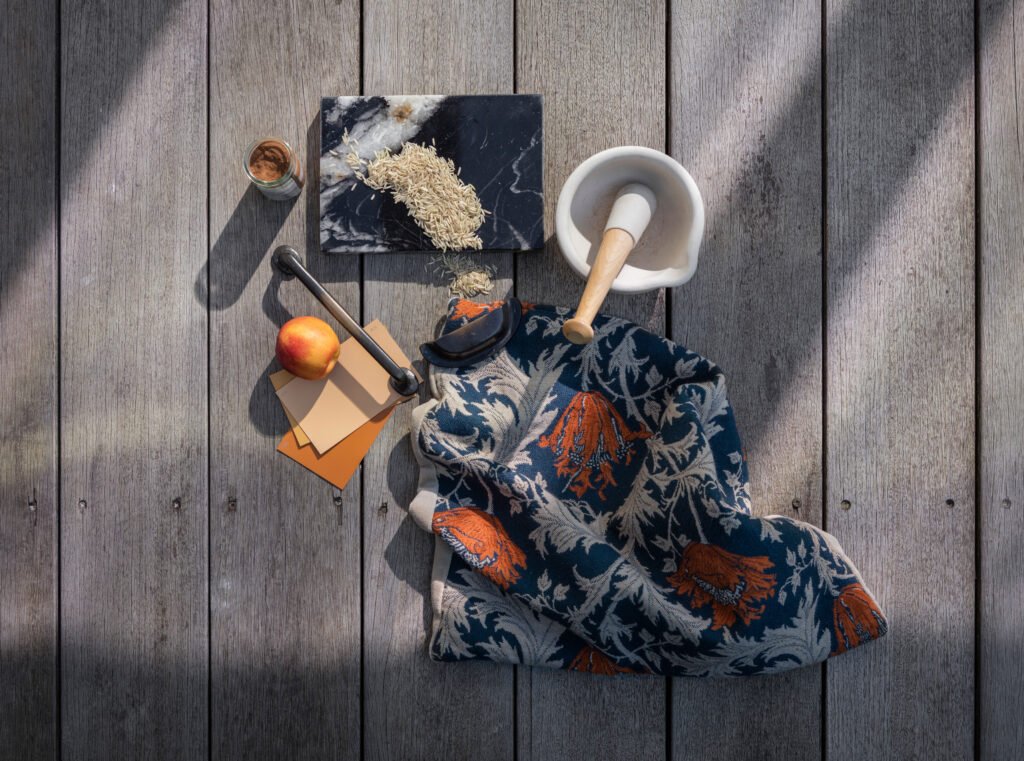
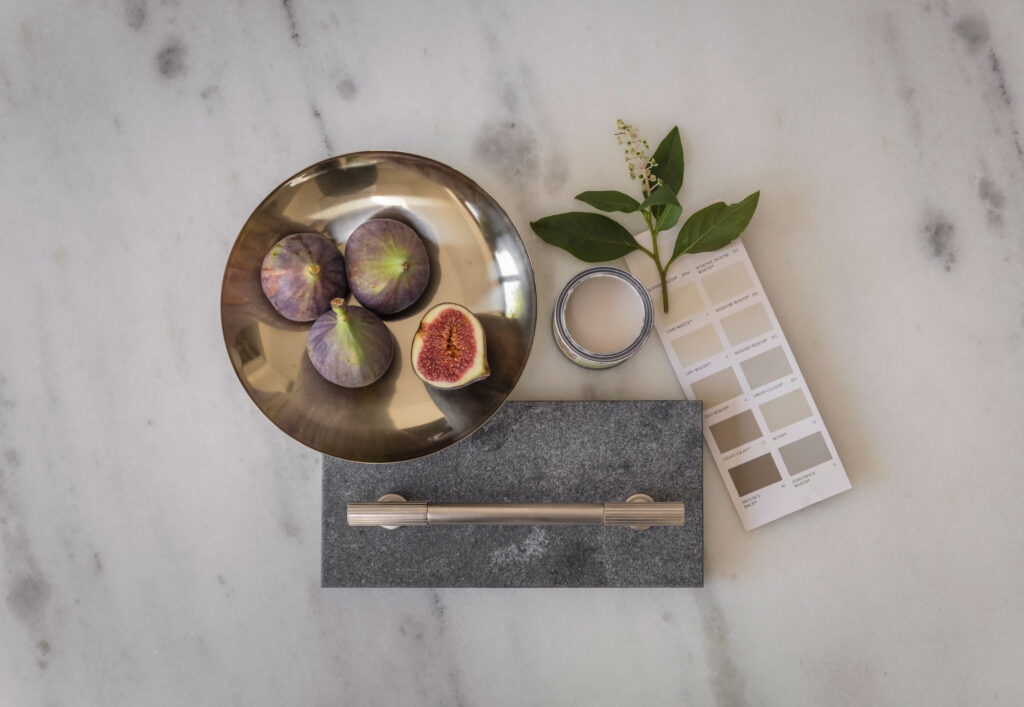
Behind the scenes, our designers gather luxury kitchen inspiration of their own. Drawing on experience, technical knowledge and awareness of current kitchen trends, they build on your ideas with thoughtful suggestions.
Moodboards help designers to:
- Test colour combinations and contrast
- Explore how textures and finishes interact
- Balance trend-led ideas with timeless design principles
- Assess how materials behave in natural and artificial light
This stage is crucial in translating bespoke kitchen inspiration into a clear design direction before decisions around layout, cabinetry and appliances are made.
Rachel Davis, kitchen designer at Harvey Jones, explains how moodboards shape her process:
“A lot of clients come in with moodboards. I use them as the starting point of our initial design consultation – that’s the first thing we talk about. What ideas they already have, what layouts they wanted, because those things really shape a design.”
Balancing Creativity with Everyday Practicality
While kitchen moodboards are inherently creative, they also support practical decision-making. Our skilled kitchen designers will always consider how ideas will function in daily life.
For example, a bold colour might work beautifully on hand-painted cabinetry, or it may be better introduced through accessories or other accents in the space. Textured materials can be layered thoughtfully like to add interest without compromising ease of use or flow.
This balance ensures your luxury kitchen remains comfortable, functional and relevant long after trends have shifted.
Using Kitchen Trends With Confidence
Kitchen trends can be an exciting source of inspiration, particularly in the early stages of design. Looking ahead to 2026 kitchen trends, we’re seeing a growing focus on natural materials, tactile finishes, earthy colour palettes and seamless, clutter-free spaces.
Our designers play a key role in interpreting these luxury kitchen trends in a way that feels personal and relevant to your home, needs and style. Rather than committing to trends in fixed elements, they may suggest incorporating them through finishes that are easier to update over time, such as paint colours, handles or decorative details.
Rachel explains how she translates kitchen trends into an enduring design:
“I lean towards colours that feed into the rest of the client’s home. So, if they want something trend-led, I ask them to send photos of the rest of their house so I can get an idea of their design style and tailor it to feel more personal to them.”
This approach allows your kitchen to evolve while maintaining a sense of longevity and timeless style.
Why Moodboards Matter in Bespoke Kitchen Design
Moodboarding is often the moment when ideas begin to feel real. Seeing colours, textures and finishes come together brings clarity and reassurance, helping you visualise the finished luxury kitchen more confidently.
It also reinforces the essence of bespoke kitchen design. Every decision is guided by how you live, what you value and how you want your home to feel, rather than a one-size-fits-all solution.
Rachel notes the importance of truly bespoke design:
“A well-designed space will stand the test of the time. Whether that’s a young family like with a newborn or a multi-generational house.”
Start Your Kitchen Moodboard with a Designer
If you’re gathering luxury kitchen inspiration and wondering how to bring it all together, a showroom visit is the perfect place to begin. Our Harvey Jones designers will guide you through materials, finishes and ideas, helping you build a kitchen moodboard that forms the foundation of your bespoke design journey.
Visit one of our showrooms and start shaping your dream kitchen with Harvey Jones.