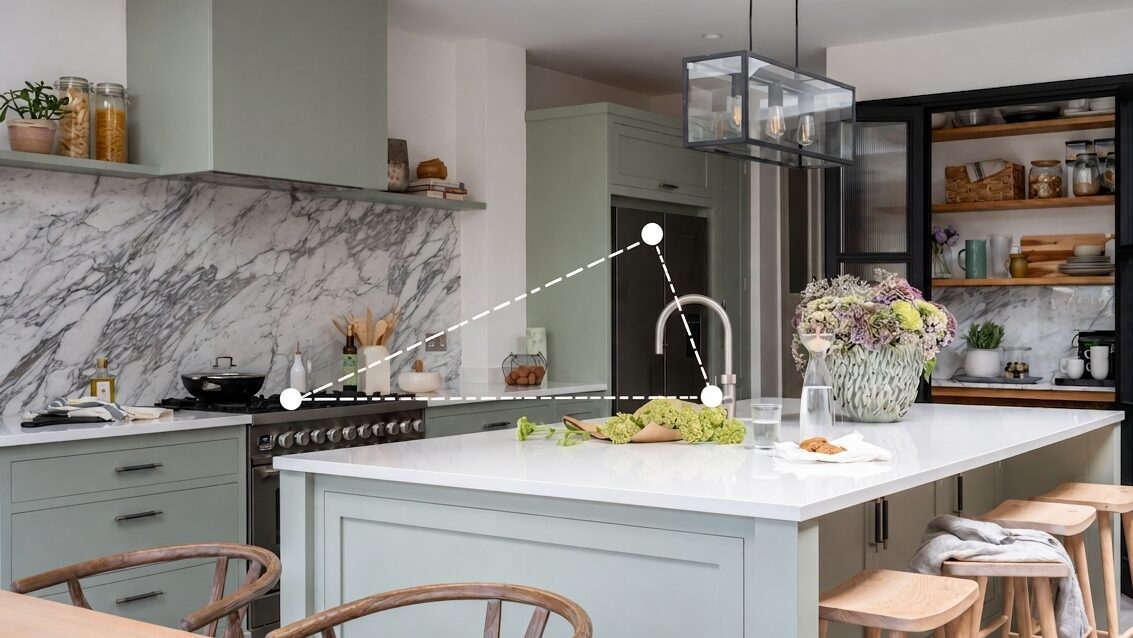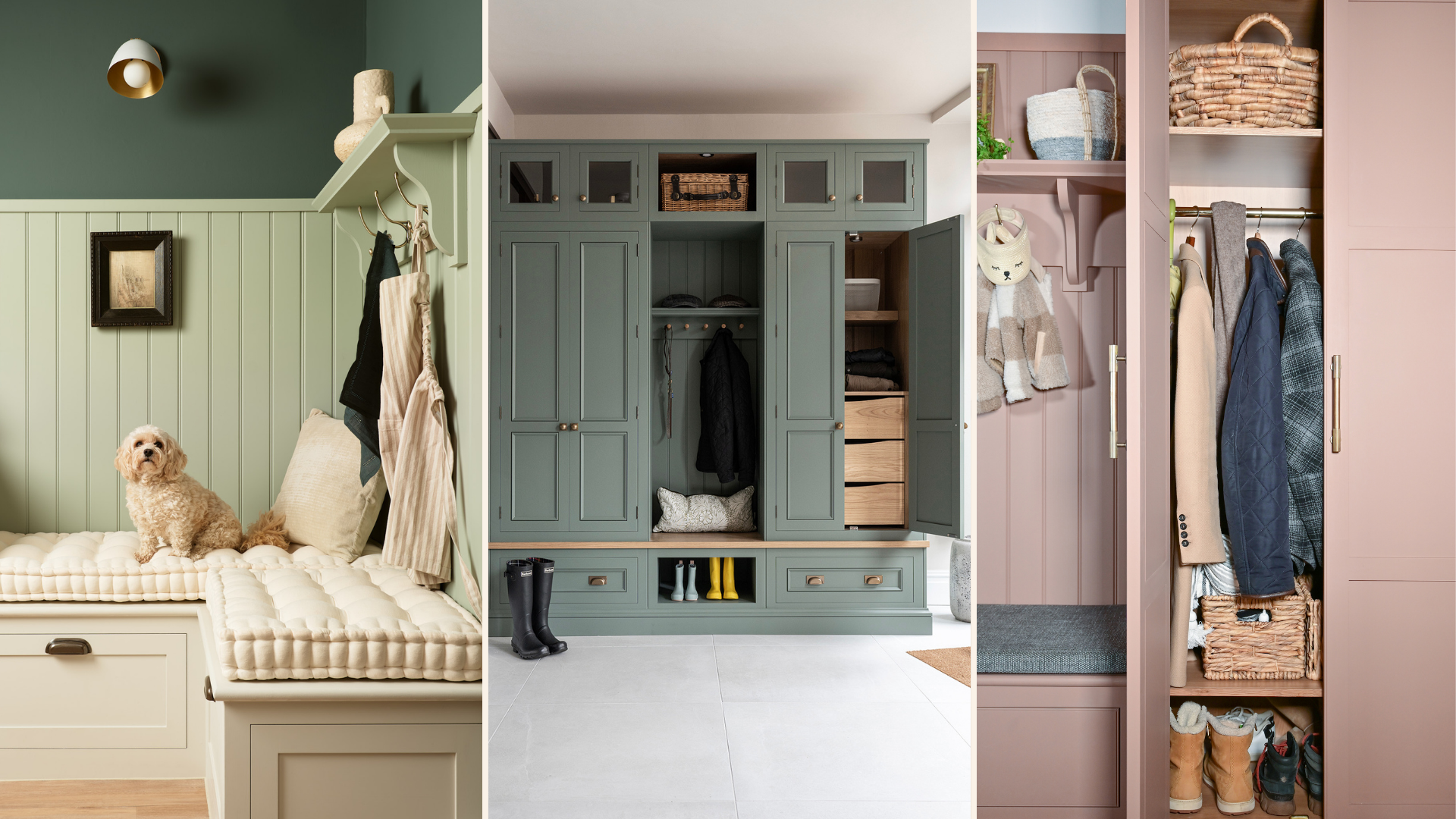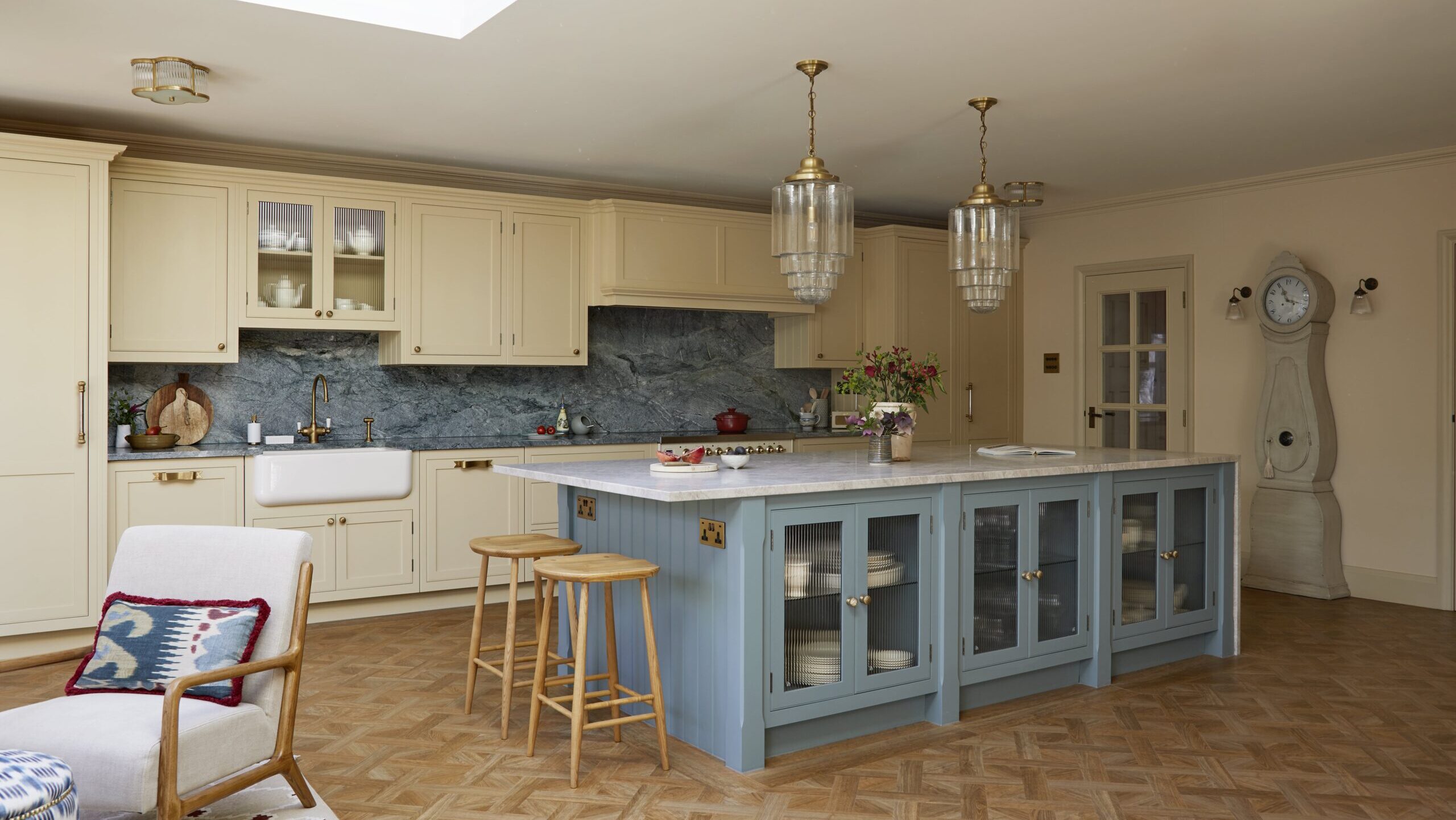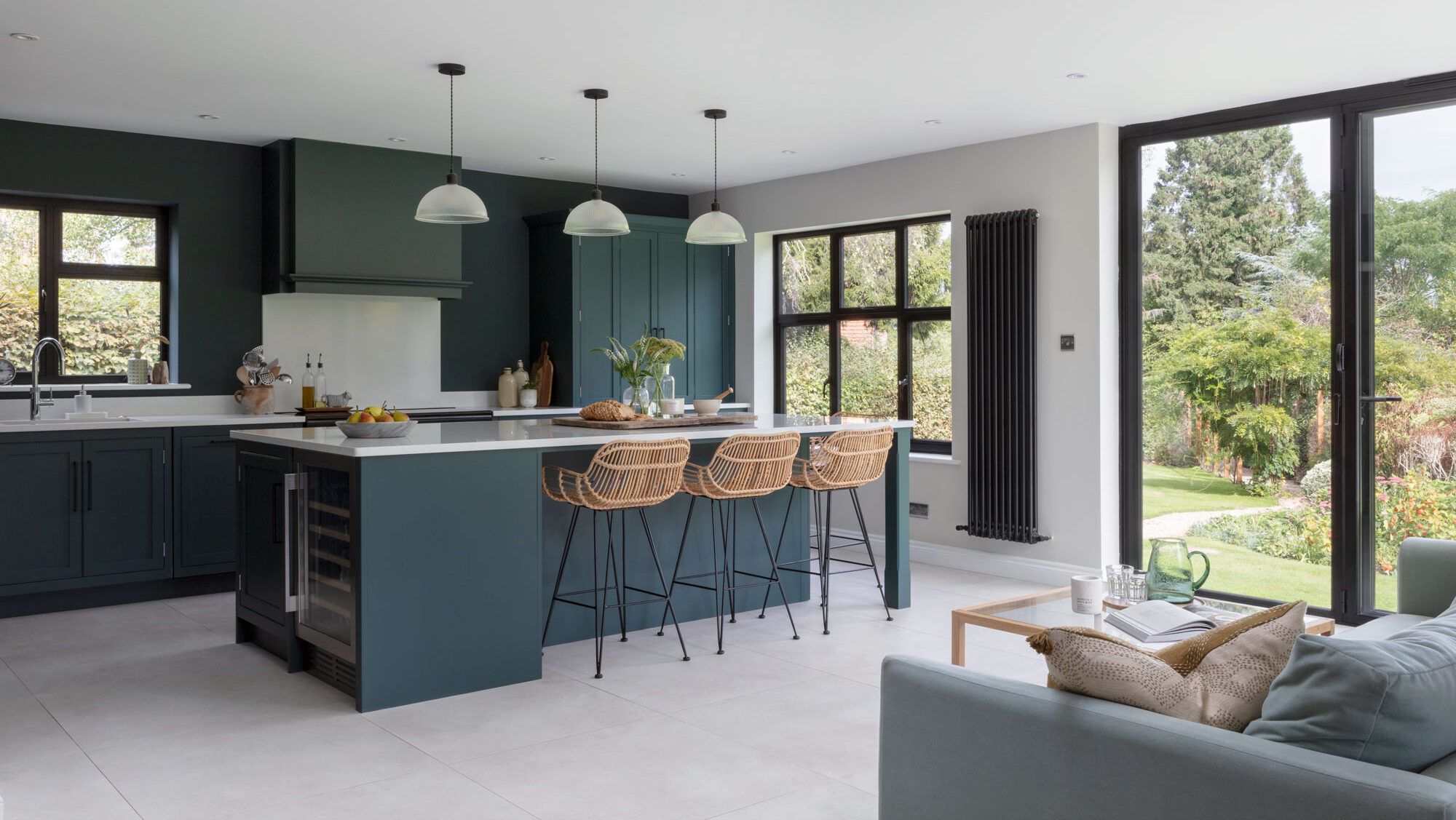
Modern kitchen design refers to a specific style rooted in the 1920s to 1970s, featuring clean lines, natural materials and a warm, earthy palette. Contemporary kitchen design reflects current trends rather than one fixed era, favouring sleek, minimalist finishes, cooler tones and an ever changing mix of textures.
Although both have become firm favourites with homeowners in recent years, ‘modern’ and ‘contemporary’ are used interchangeably all the time. But, they actually describe two different approaches with distinct characters.
Modern kitchen design draws from a specific design movement. Contemporary kitchen design, on the other hand, reflects whatever look is current right now, and shifts as trends do.
If you’re planning a new luxury bespoke kitchen and trying to decide which direction to take, understanding this difference will help you begin your project with confidence. Below, we break down what defines each style, where they overlap, and how to choose the right one for your home.
Discover real, bespoke kitchen & home inspiration.
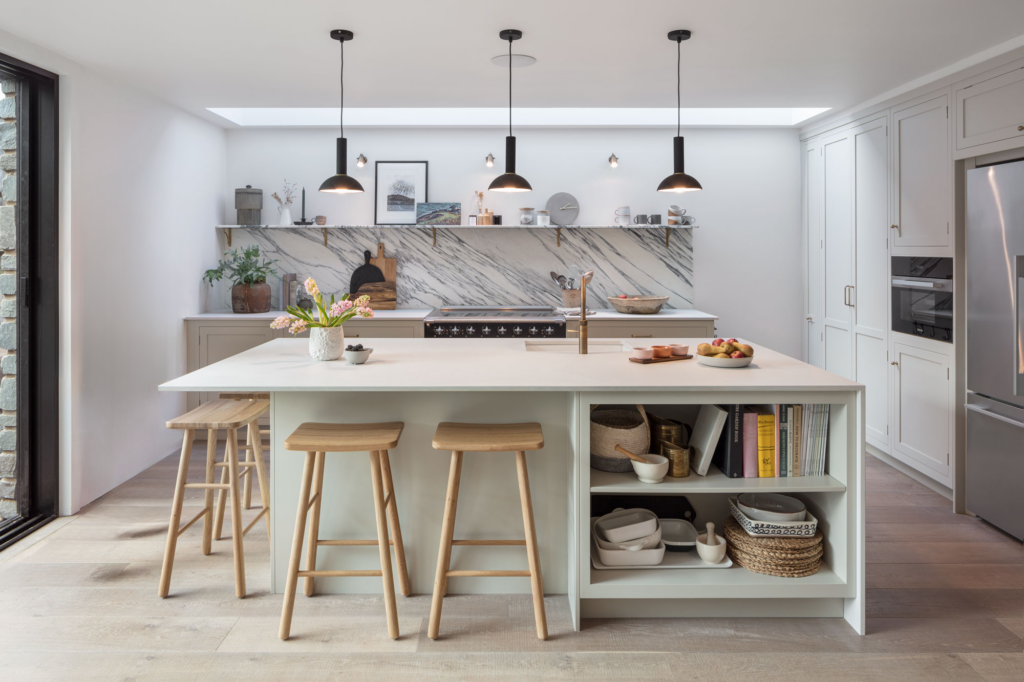
Modern Kitchen Design: The Short Definition
Modern kitchen design, much like its name, is the style used in the modern movement, usually defined as the 1920s to 1970s. It uses clean lines and a warm palette of earthy materials such as walnut and plywood, while complementing them with occasional primary hues.
In practice, this means less ornamentation. Choose luxurious materials like marble for splashbacks, set against neutral wooden elements for added warmth. Frameless cabinets, flat panel doors and metallic finishes all bring a modern kitchen to life.
If you want a full breakdown of how to plan one, our guide to creating a modern kitchen design covers ten practical ways to bring the style into your own home.
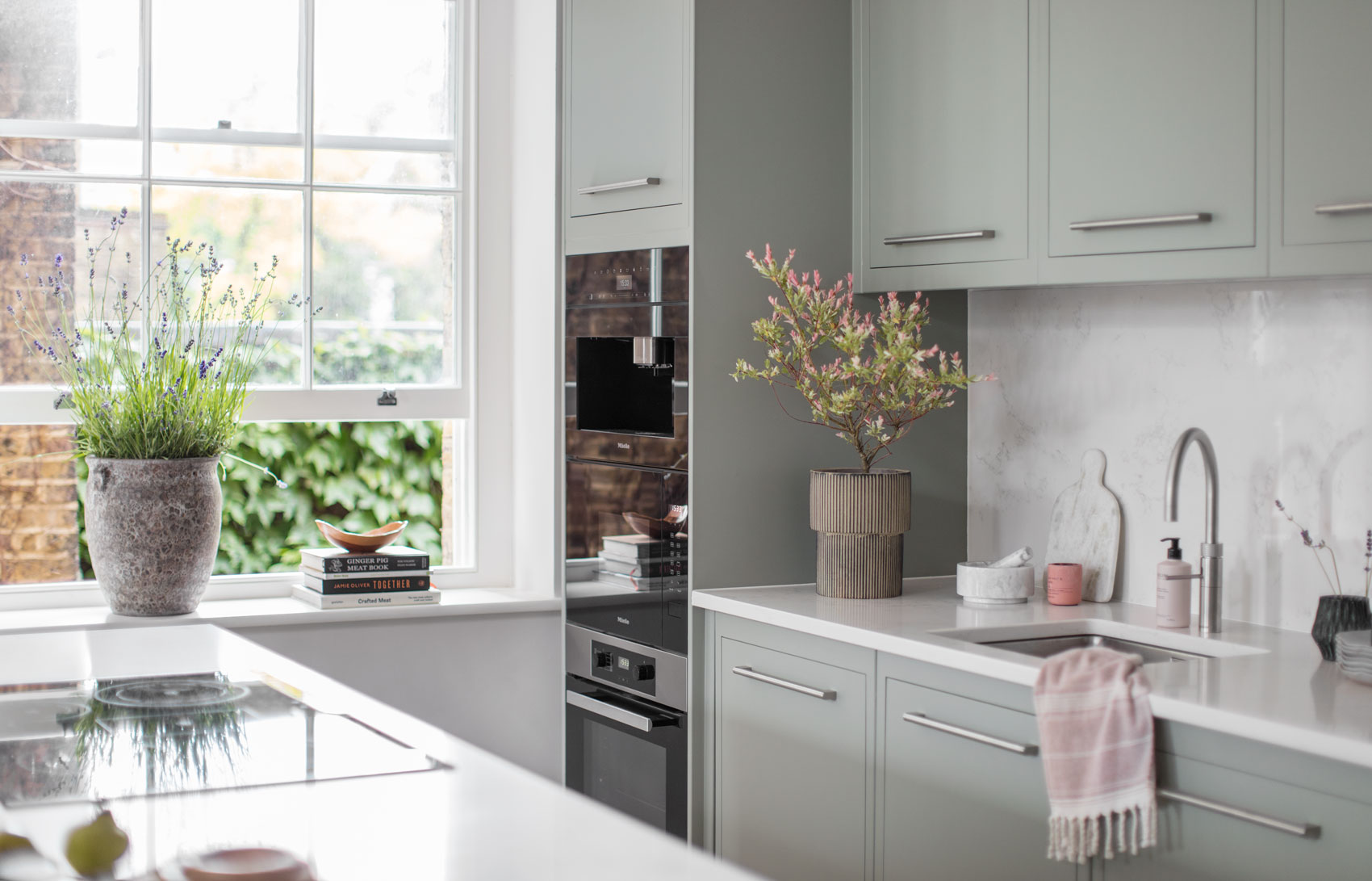
Contemporary Kitchen Design: The Short Definition
Contemporary kitchen design is all about the present. The style changes with time, but is recognisable as cool toned, minimalistic, airy and cutting edge. It generally combines a number of influences, while keeping sleek white, black and grey colour schemes, alongside organic and metallic elements.
Maintaining simplicity is key for a contemporary kitchen. Therefore, disguise appliances as cabinets for an uncluttered, streamlined feel. Combine dark hues with bright white and touches of stainless steel to evoke a crisp, contemporary ambience.
Pattern still has a place. Glass tiles or mosaics are popular choices, and for a statement look, an antique mirrored splashback will be sure to impress. This flexibility is what makes luxury contemporary kitchens feel so personal, even within a recognisable style.
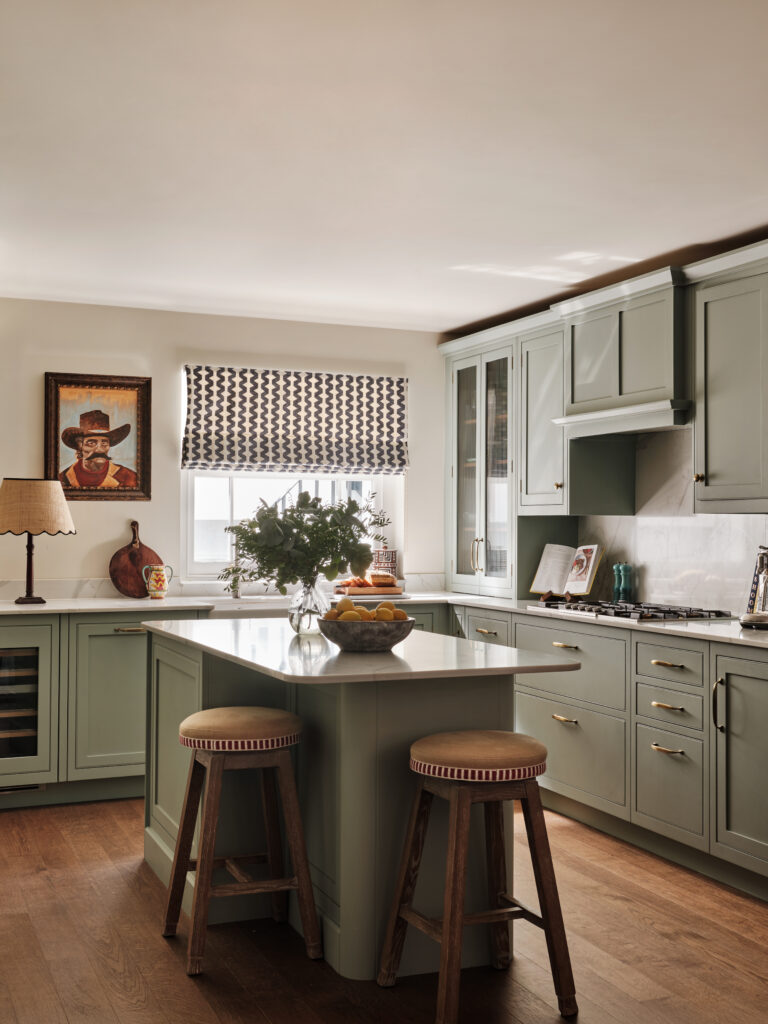
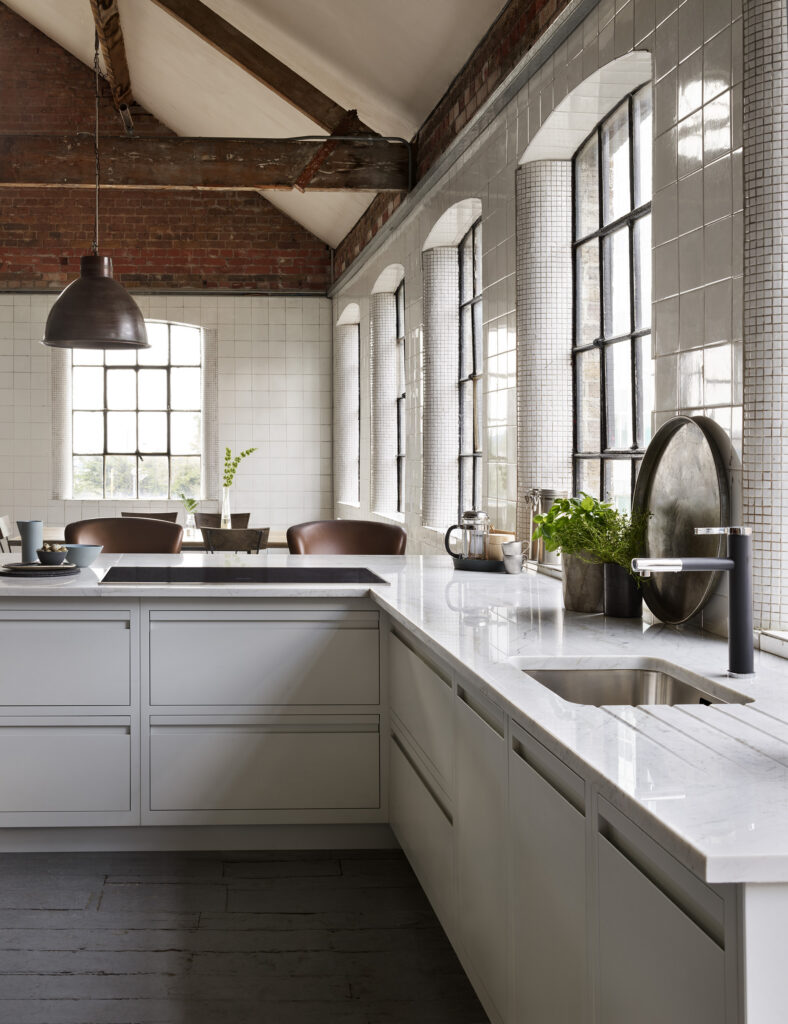
Modern vs Contemporary Kitchens: Key Differences at a Glance
| Feaure | Modern Kitchen | Contemporary Kitchen |
|---|---|---|
| Design roots | A fixed historical era, the 1920s to 1970s | Reflects whatever is current, always evolving |
| Colour palette | Warm, earthy tones with occasional primary accents | Cool, monochrome palette of white, black and grey |
| Materials | Walnut, plywood and natural wood, with marble for statement moments | Stainless steel, glass, stone and mixed metallic finishes |
| Cabinetry | Flat panel doors with minimal hardware | Handleless or streamlined doors, often disguised as panels |
| Overall character | Warm, understated, timeless | Sleek, trending, ever changing |
Where Modern and Contemporary Kitchen Design Overlap
Both styles share more common ground than people expect. Clean lines, minimal embellishment and a decluttered worktop are central to both.
As a result, both approaches rely on simple or handleless cabinetry and cleverly disguised appliances, which leads many people to use the terms interchangeably.
Many of the luxury bespoke kitchens we design end up blending the two, borrowing the warmth of modern materials with the sleeker finishes of contemporary style.
There’s no rule that says you have to pick one and ignore the other entirely.
Modern and Contemporary Kitchen Design in Practice
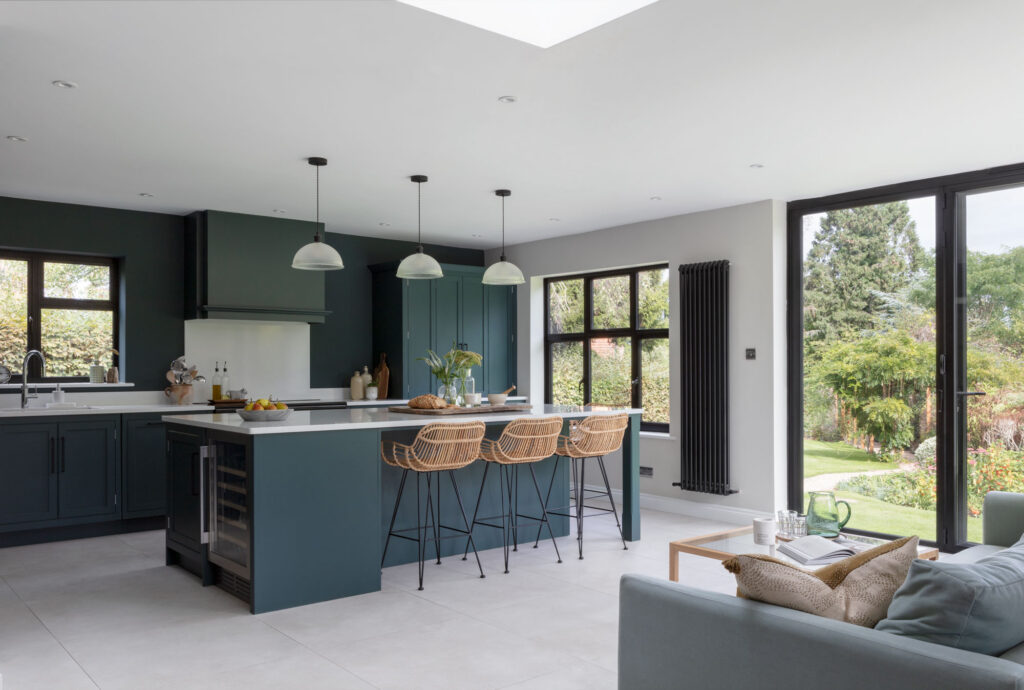
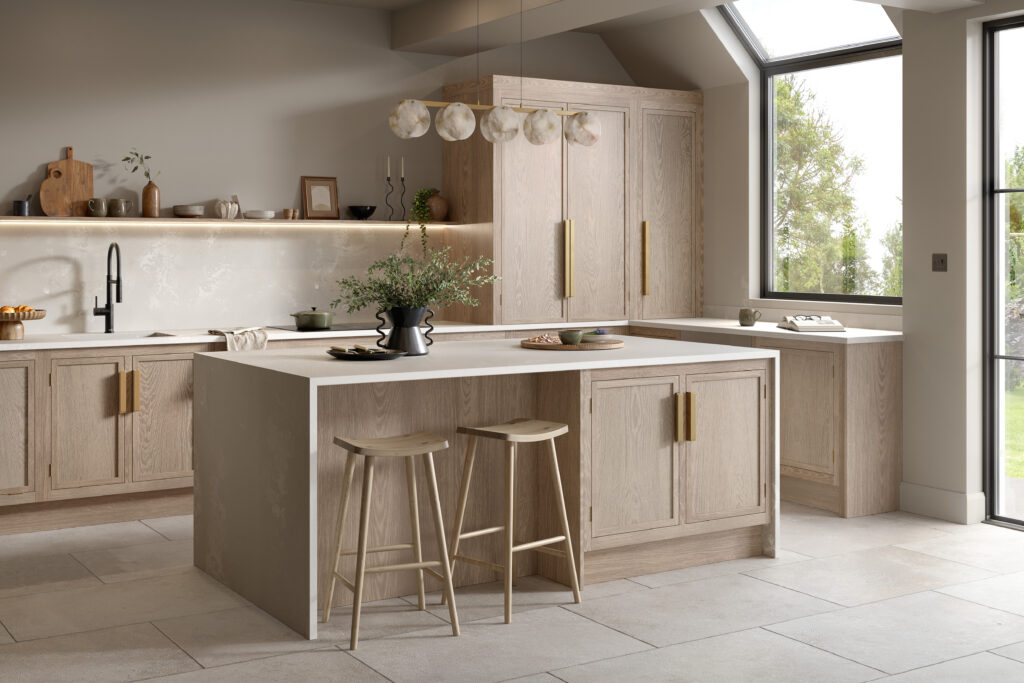
For a modern-leaning look, our Linear and Linear Edge kitchens show how simple cabinetry and handleless designs can feel warm rather than clinical, particularly when paired with natural wood and stone.
For contemporary character, our Arbor collection demonstrates how bold colour, mixed metallics and streamlined cabinetry come together for a look that feels current.
Our Shaker range, meanwhile, shows how a classic silhouette can be styled either way depending on colour and hardware choices, proof that high end kitchen design doesn’t have to sit neatly in one box.
Which Should You Choose?
There’s no single right answer, but a few questions can help narrow it down.
- Do you want your kitchen to feel timeless, or do you want it to track current trends?
- Are you drawn to warm, natural materials, or cooler, sleeker finishes?
- Do you prefer a considered colour palette, or bolder, changeable accents?
If you’re drawn to warmth and permanence, modern is likely your starting point. If you prefer a sleeker, more current feel, contemporary will suit you better. Either way, colour and material choices make all the difference, so it’s worth exploring those early with your designer.
Once you have a direction in mind, our guide to creating a modern kitchen design is a good next step, or simply bring your ideas to a design consultation and we’ll help shape them into a bespoke plan.
Rachel Davis, an expert Harvey Jones kitchen designer, explains how Slim Shaker cabinetry blends modern and contemporary design:
“Slim Shaker cabinetry offers an understated take on the classic Shaker style, blending heritage craftsmanship with a contemporary edge. Their slim frames offer a more refined appearance, therefore making them perfect for those who want a kitchen that feels elegant yet modern.”
Design Your Own Kitchen Style
Modern and contemporary kitchen design both offer a route to a beautiful, functional space, they simply get there in different ways.
Modern leans on warmth, natural materials and a sense of permanence. Contemporary stays current, sleek and open to change. Neither is more luxurious than the other, and plenty of our clients land somewhere in between.
Whichever direction feels right, a conversation with a bespoke kitchen designer means every material, colour and finish is chosen to suit how you actually live.
Begin your design journey and craft your dream kitchen.
FAQs about Modern vs Contemporary Design
Can you mix modern and contemporary kitchen design?
Yes. Many of the most successful bespoke kitchens borrow from both, pairing warm modern materials like natural wood with sleeker contemporary cabinetry or colour choices. A good designer will help you blend the two without the space feeling disjointed.
Is a Shaker kitchen modern or contemporary?
Neither by default. A Shaker kitchen adapts effortlessly to modern styling with warm wood tones and minimal hardware, or to a more contemporary look with bold colour and sleek handles. Therefore, it’s one of the most versatile styles for either direction.
What colours work best in a modern vs a contemporary kitchen?
Modern kitchens tend to favour warm, earthy tones with occasional primary colour accents. Contemporary kitchens lean towards a cooler palette of white, black and grey, often lifted with metallic finishes. Both can be adapted to suit a bespoke colour scheme.
Does a modern or contemporary kitchen cost more?
Cost depends on the materials, cabinetry and finishes you choose rather than whether the style is modern or contemporary. A designer can talk you through how different choices within either style affect your budget.
Discover real, bespoke kitchen & home inspiration.