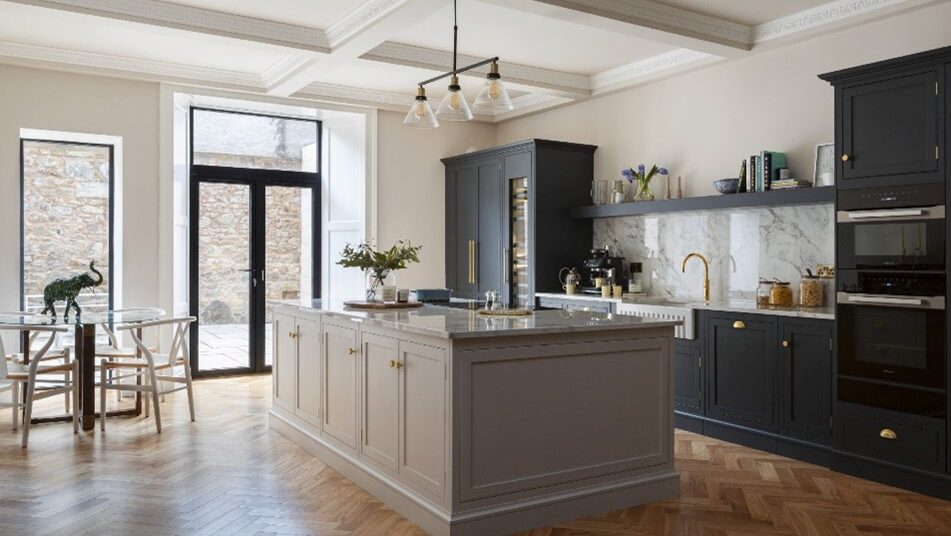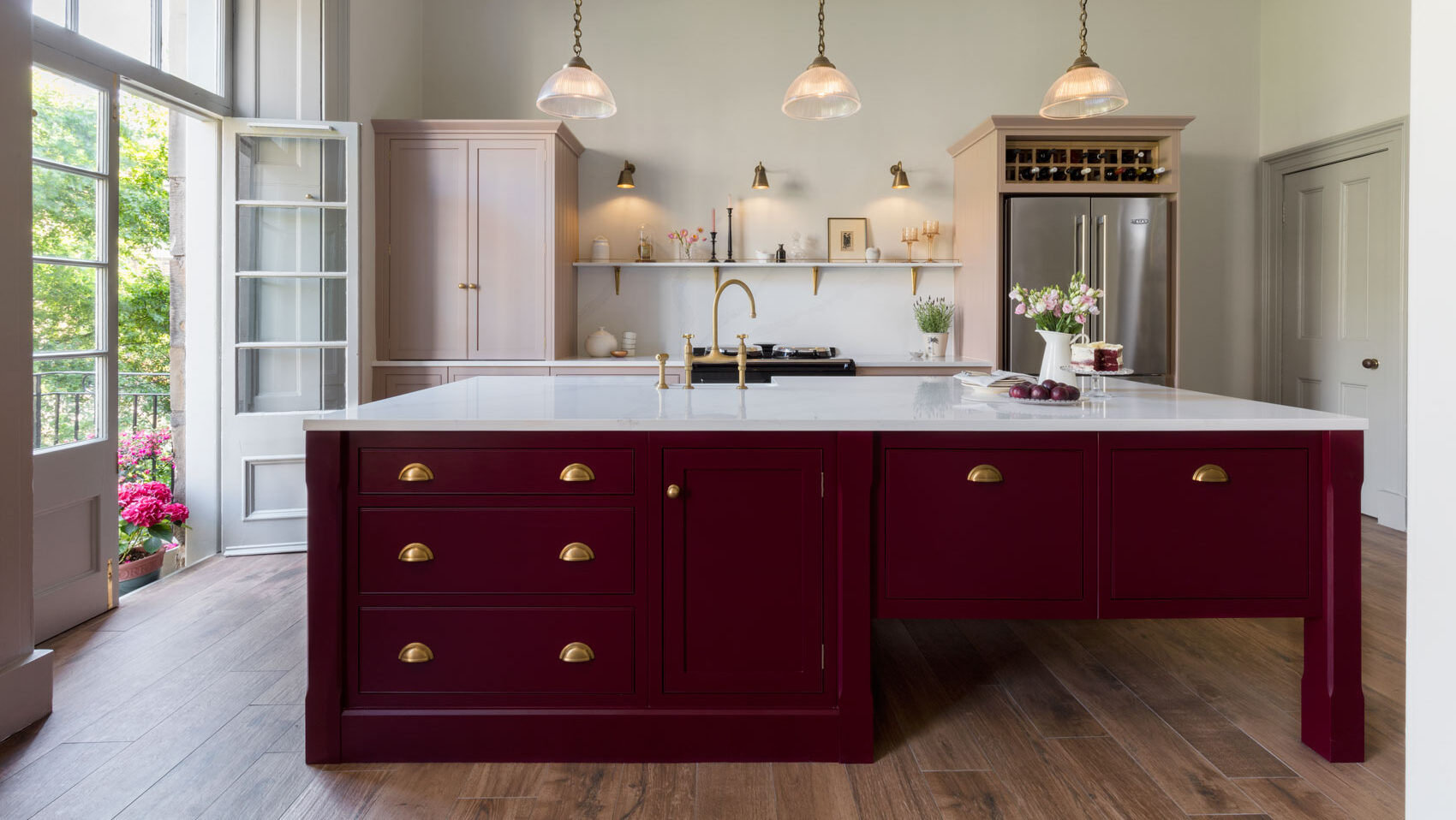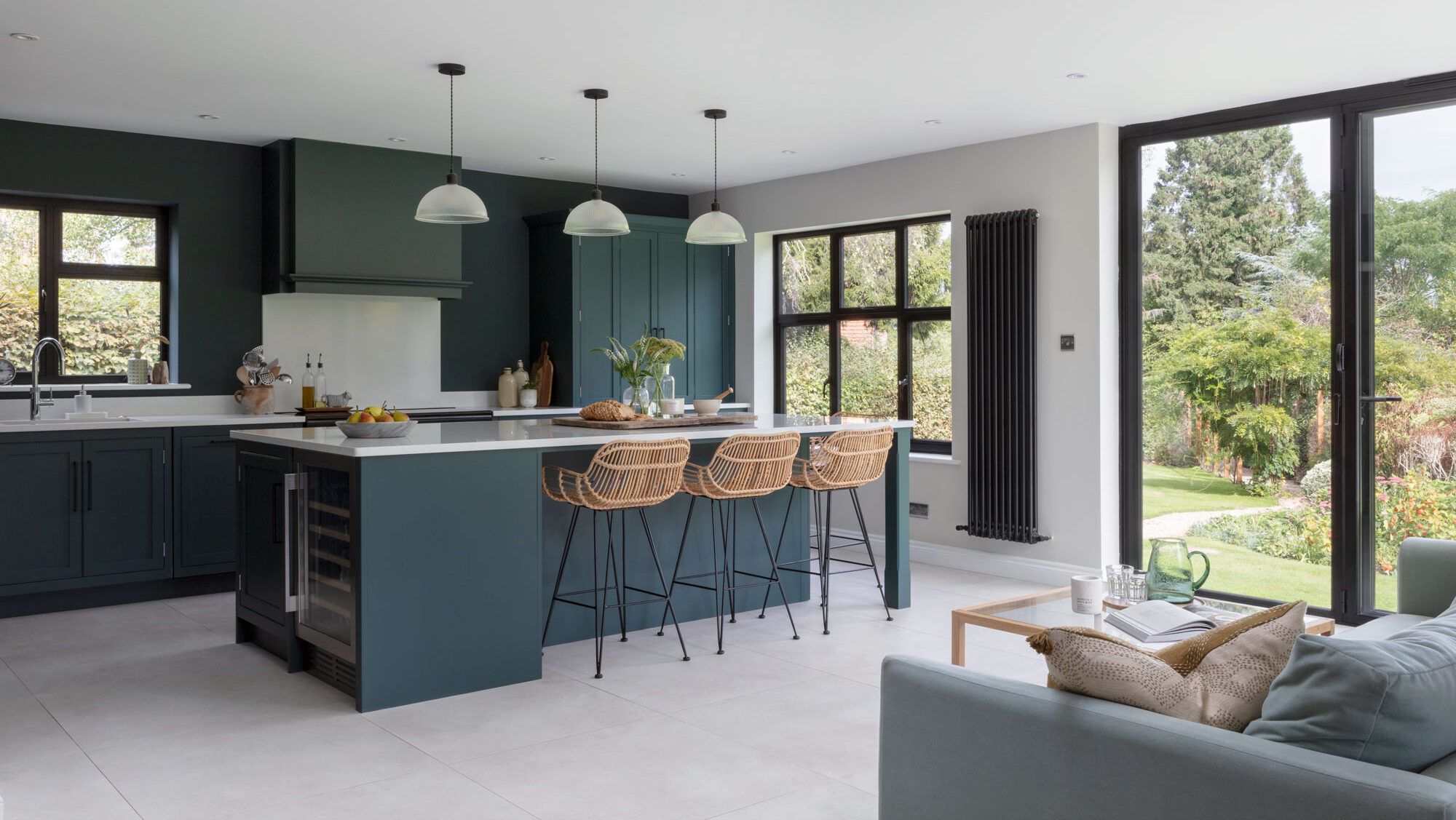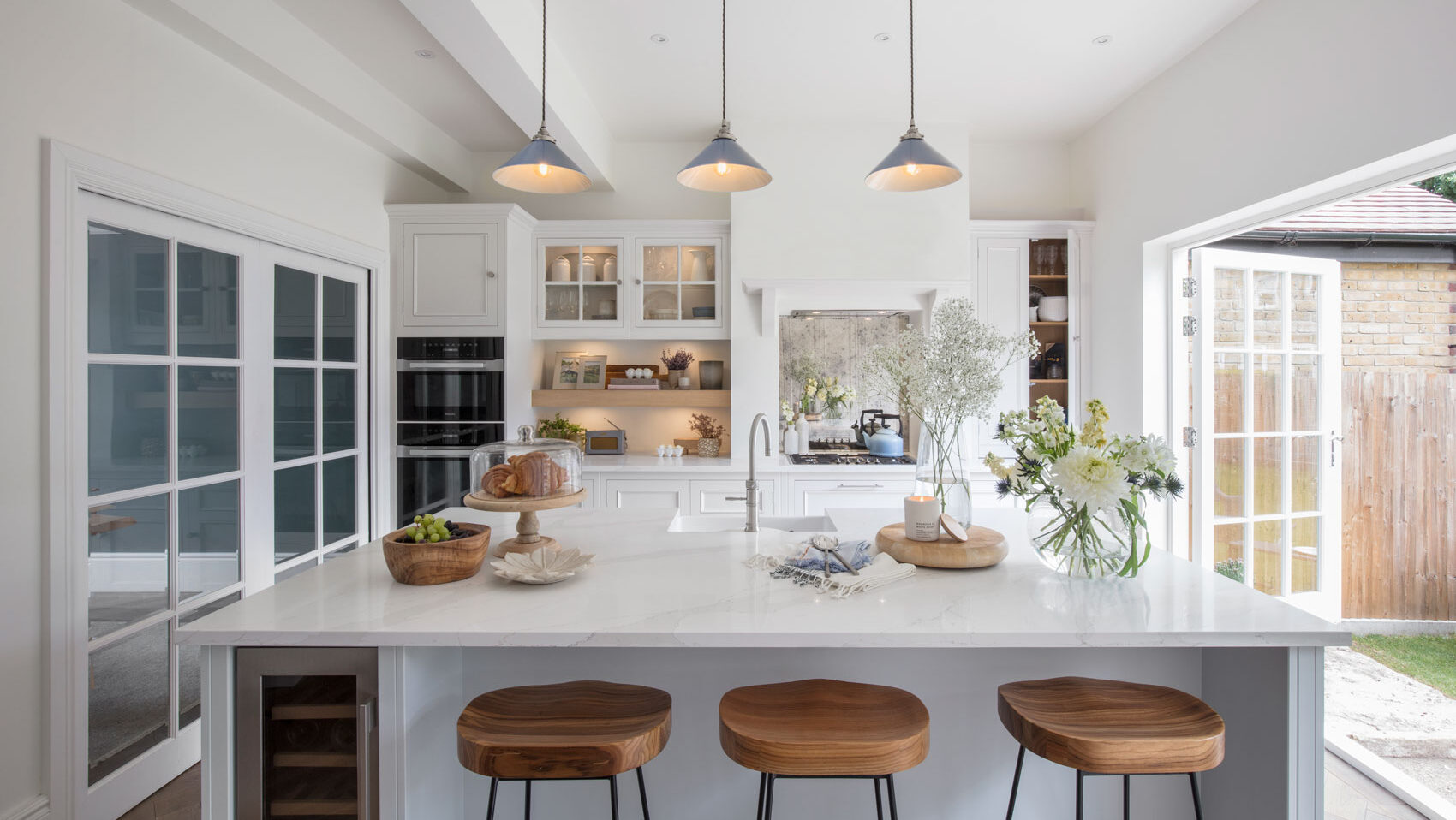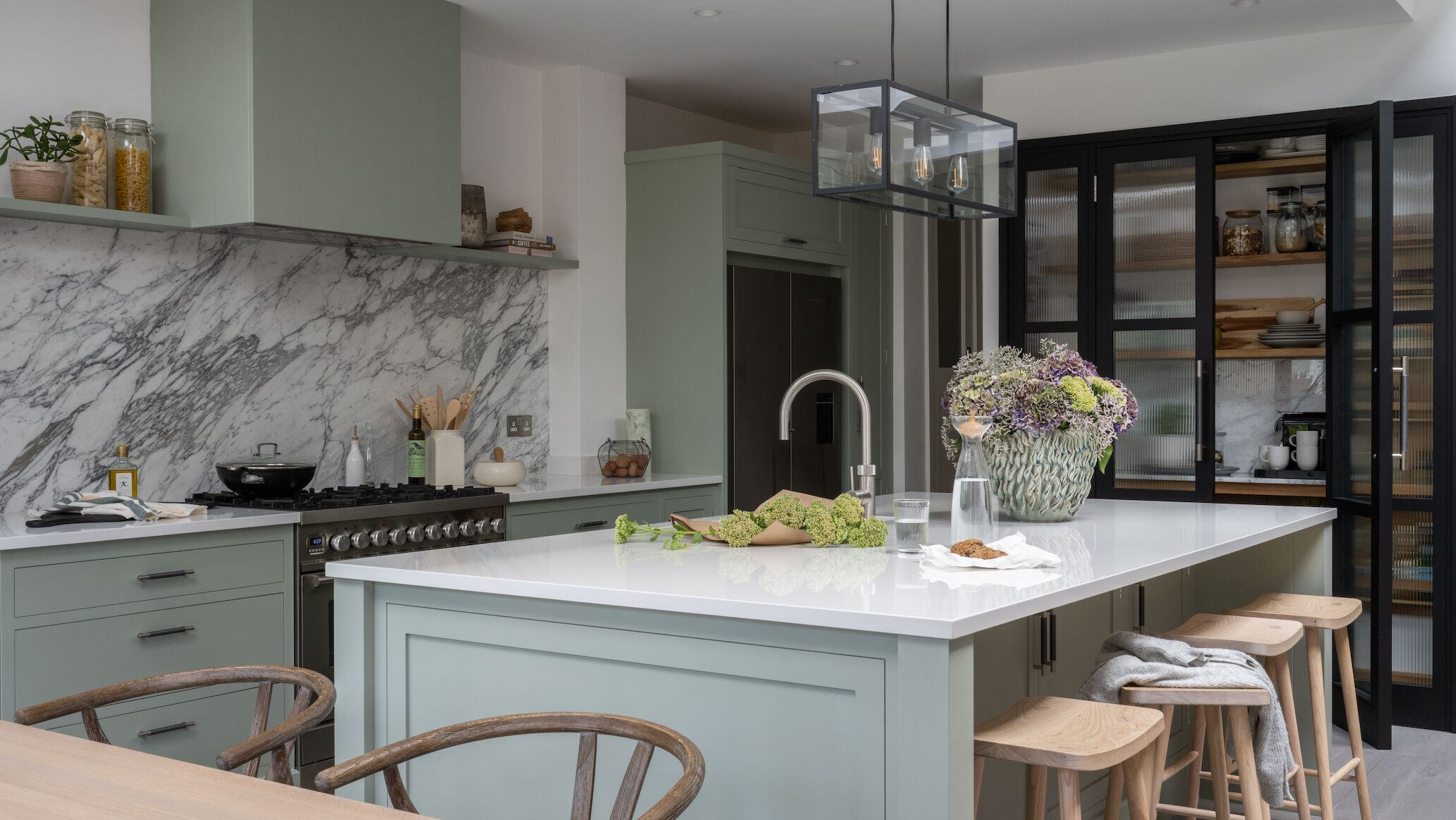
A kitchen renovation is the process of redesigning and rebuilding a kitchen from the ground up, covering layout, storage, materials and installation. It typically moves through four stages: design and discovery, planning and refinement, handcrafting and installation. Harvey Jones has been designing bespoke kitchens this way since 1977.
A good renovation begins well before you step into your finished kitchen. Whether you are lying awake picturing a bigger island or already booked in for a design appointment, getting your kitchen renovation planning right early shapes everything that follows.
This guide covers the essentials, from spotting the signs it is time to renovate through to what happens on installation day. For the full walkthrough, including advice from Harvey Jones designers and a complete stage by stage timeline, download the free Homestyle guide.
Is It Time to Renovate Your Kitchen?
Some signs are obvious, like cabinets that stick or worktops past their best. Others are more about how you live now compared with when the kitchen was designed. Here’s some of the key signs:
- Storage runs out
- The layout doesn’t work
- Your lifestyle has changed
- You’re renovating elsewhere
In fact, 37% of homeowners renovate because their kitchen no longer works for how they live, according to 2026 UK Houzz Kitchen Trends. If two or three of these sound familiar, it’s worth speaking to a designer at a design appointment.
What Does a Kitchen Renovation Involve?
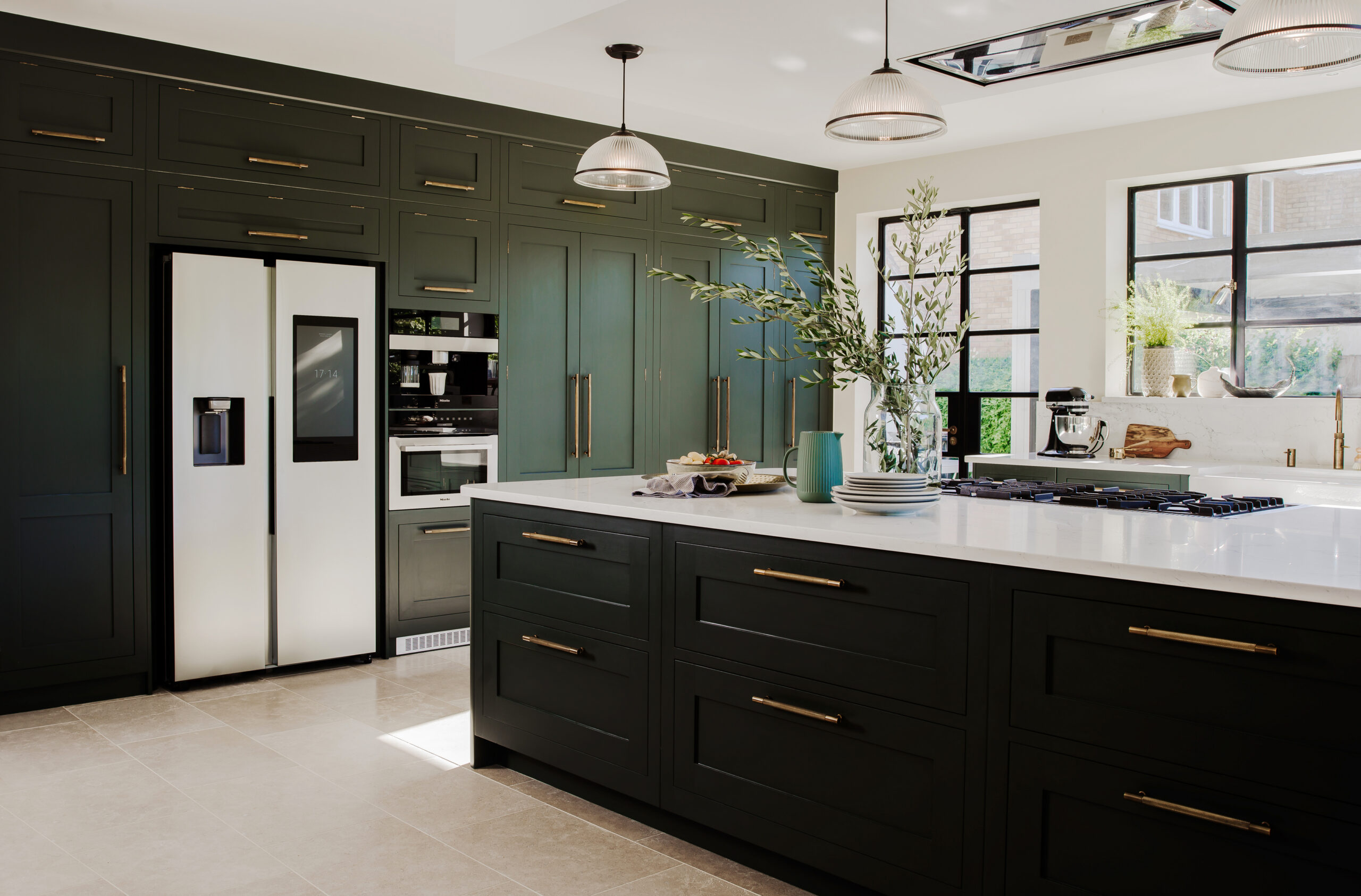
A kitchen renovation is a considered process, not just new cabinets, and it is how we approach every one of our bespoke fitted kitchens. There are 4 core stages:
- Design and discovery: Visit a showroom and meet your designer
- Planning and refinement: The details and layout come to life
- Handcrafting: Your design is in production
- Installation and completion: Your bespoke kitchen is expertly fitted and hand painted
Because every kitchen is made to order, this process typically takes longer than an off the shelf fit, but it means nothing is left to compromise. The full Homestyle guide breaks down exactly what to expect at each of these stages, including how long they typically take.
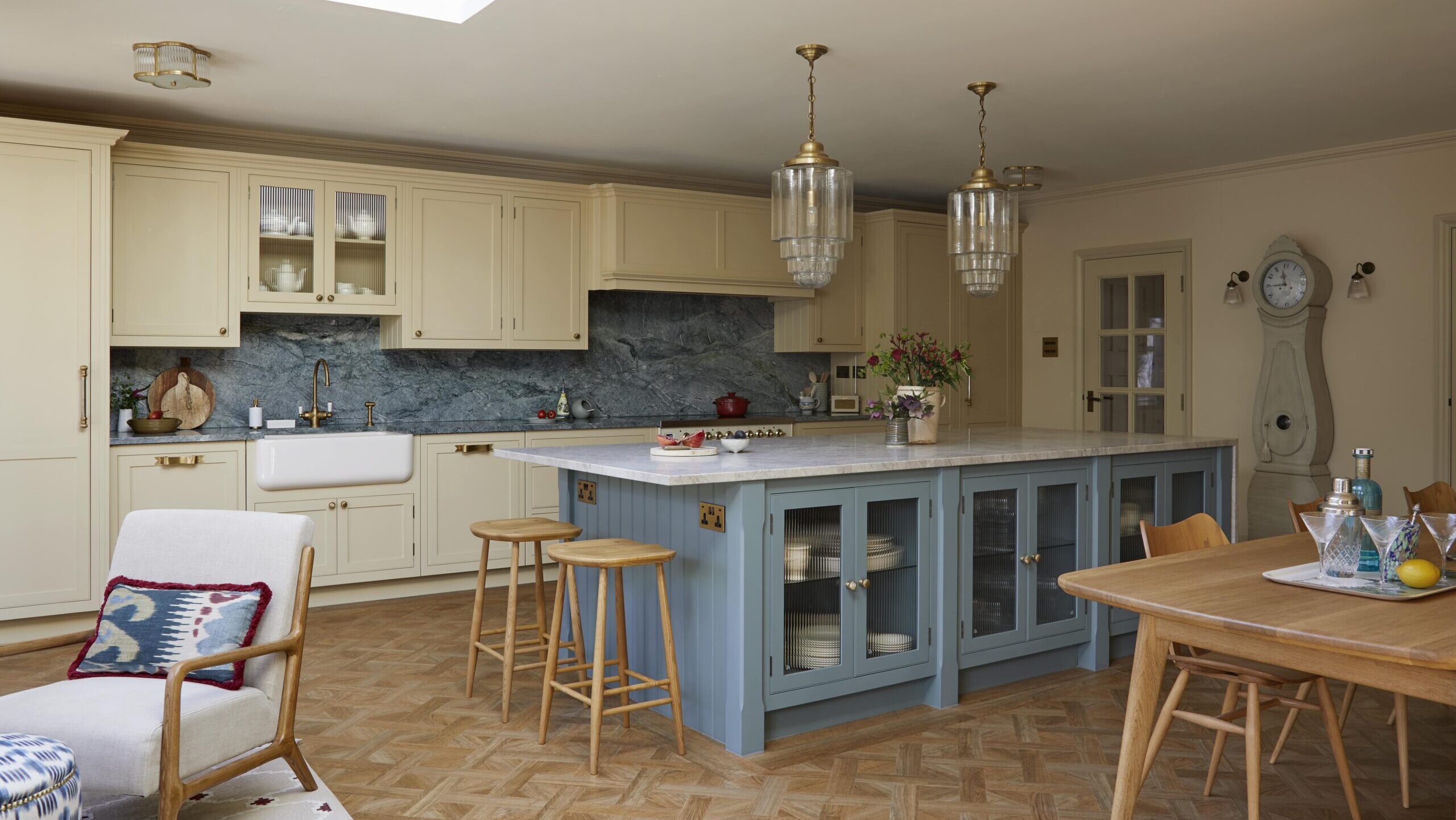
Before You Think About Colours: Priorities, Budget and What to Bring
Define Your Priorities
Before you think about colours or worktops, get clear on how your kitchen actually needs to work. Prioritise your must haves over your wish list, since this will guide every decision that follows.
Set a Realistic Budget
Kitchen renovation cost is rarely just about cabinetry. Your budget should account for appliances, worktops, installation, any structural or building work, flooring, lighting and decorating. Rather than fixing on a figure in isolation, it helps to talk to a designer early.
Prepare for Your First Appointment
Bring along any floorplans or room measurements you have, any inspiration and your list of ‘must haves’. Your designer will help refine your ideas into something tailored to your home.


Materials, Layout and Design at a Glance
Some renovations work within the existing footprint, others extend or reconfigure it. Either way, good design starts with how you actually use the space.
Storage works best when it’s designed around what you actually own. Appliance choices and lighting are worth deciding early too, since they influence layout before cabinetry can be finalised.
The materials you choose shape how a kitchen feels to live with, not just how it looks. An inframe design, hand painted finishes, hardware and quality worktops are all key features in a luxury kitchen.
Each stage of the process and design is the appeal of a considered bespoke kitchen design.

Your Renovation Journey
At Harvey Jones, our process follows a clear order: getting started, designing your kitchen, handcrafting in the workshop and installation. Each stage consists of many steps and typically takes a number of weeks, so the exact timing depends on the scope of your project.
A clear understanding of each stage makes the whole process far more manageable, particularly if you’re coordinating other trades.
The full Homestyle guide includes a full week by week timeline for every stage, so you can plan with confidence from day one.
Your Next Step: Read the Full Homestyle Guide
We’ve covered the essentials of planning a kitchen renovation, but there is far more to a renovation project than meets the eye.
Our free renovation guide goes further. We’ve combined advice from Harvey Jones designers on getting your brief right, preparing for your first appointment and choosing materials that last, plus a full week by week timeline from your first conversation through to installation day.
Whichever stage you are at, reading it before your first design appointment means you arrive with clearer priorities and fewer unknowns, and if you are further along, it can help confirm you are asking the right questions before signing anything.
Begin your design journey and craft your dream kitchen.
FAQs about Renovating a Kitchen
What is the difference between a kitchen renovation and a refurbishment?
A refurbishment typically updates existing elements, such as painting cabinets or replacing a worktop, while a renovation involves a full redesign of the layout, storage and finishes.
Where do I start with a kitchen renovation?
Start by defining your priorities, what is not working in your current kitchen and what you cannot live without. Getting this kitchen renovation planning right early makes every decision after it easier. From there, booking a design appointment turns those priorities into a workable plan.
How long does a kitchen renovation take?
Timelines vary depending on the scope of work, but most bespoke kitchen renovations take several months from initial consultation to finished installation once building work is included. Download our free Homestyle guide for a full week by week timeline.
What should I budget for a kitchen renovation?
Your budget should cover cabinetry, appliances, worktops, installation and any structural work, alongside flooring, lighting and decorating. Costs vary considerably depending on the size and complexity of your project, so it’s worth speaking to a designer early.