Choosing a worktop is one of the biggest decisions in a kitchen design. It affects the look, the feel and how the space works every single day.
Marble countertops have been a favourite among luxury kitchen designers for decades. However, marble also comes with real trade-offs that are worth understanding before you commit. Here is an honest look at the pros and cons of marble countertops.
Discover real, bespoke kitchen & home inspiration.
The Pros of Marble Countertops
1. Marble looks beautiful
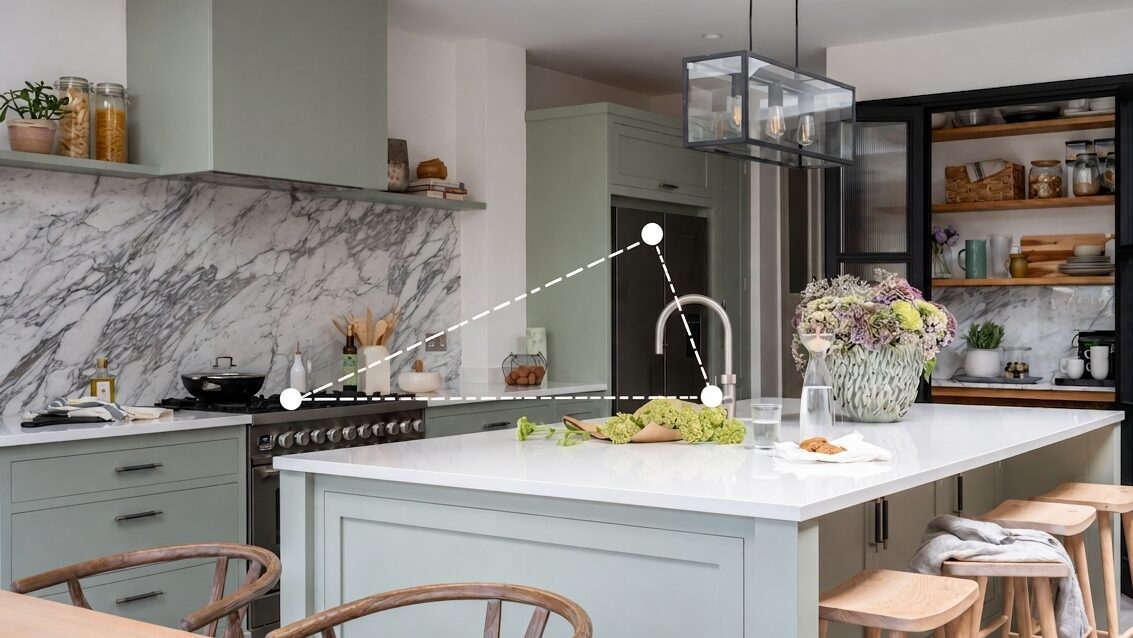
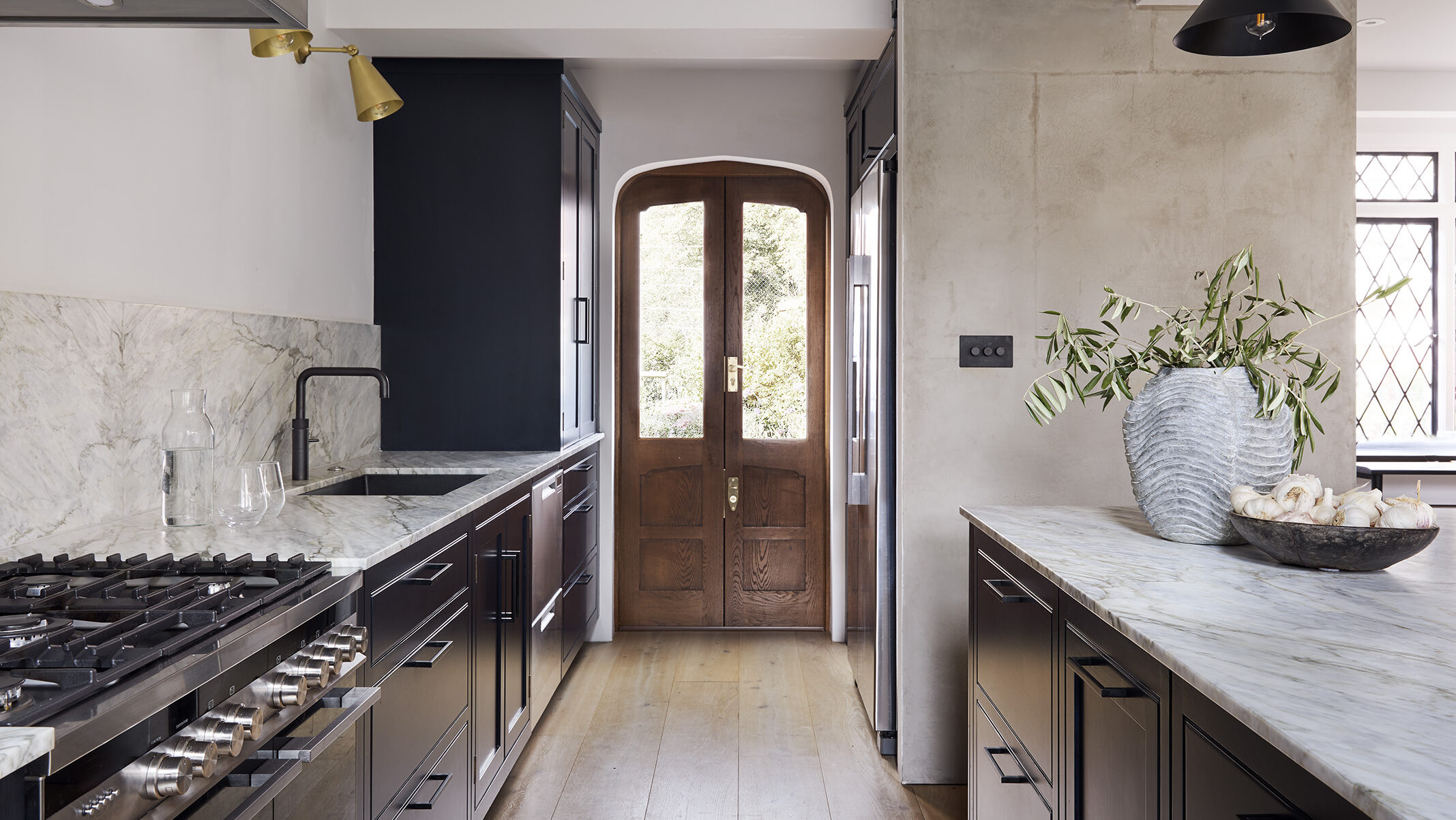
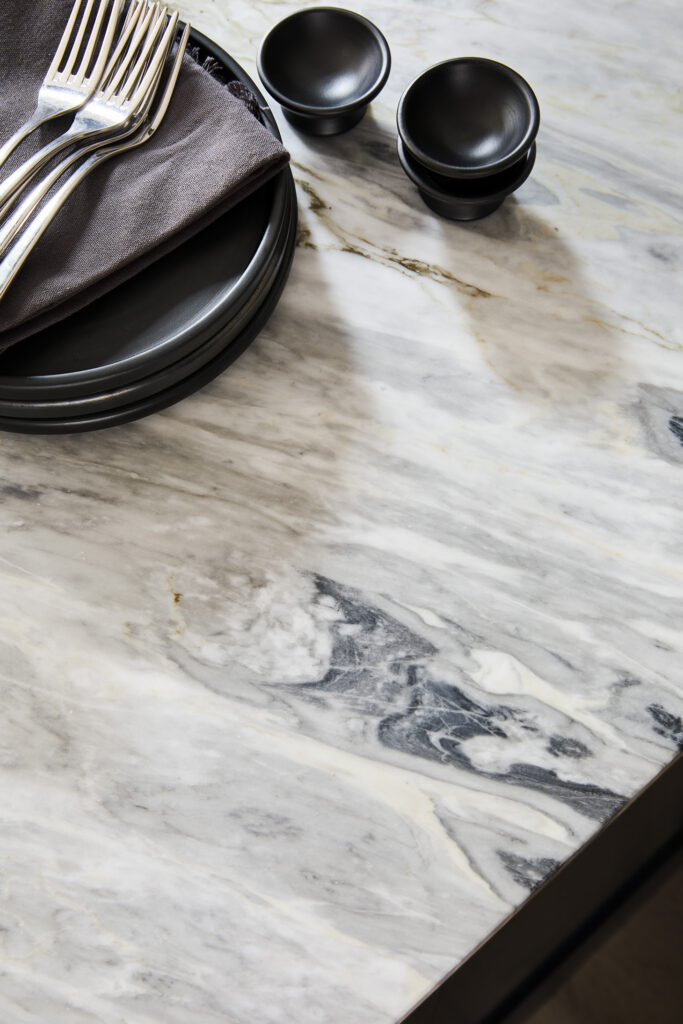
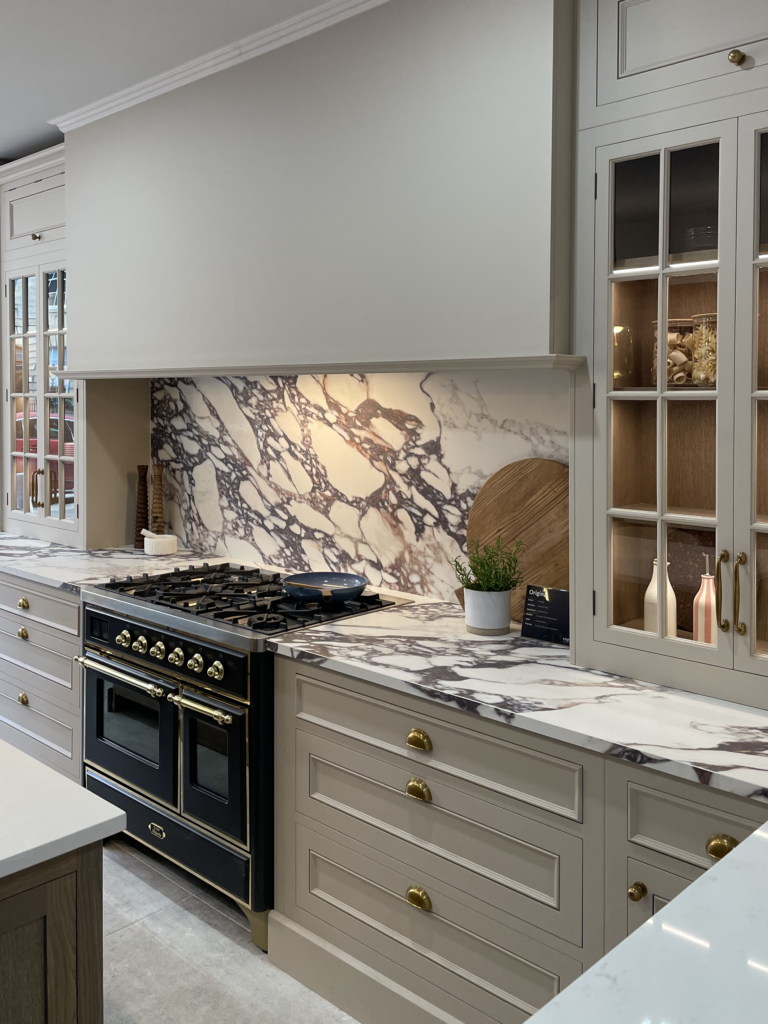
The main reason marble remains so popular is because it looks exceptional. Marble kitchen countertops are usually white or light grey but also come in a broad range of colours, from dramatic black and dark grey to softer tones of pink, blue and yellow.
Every slab features unique natural veining, meaning no two kitchens will ever look exactly alike.
There are very few countertop materials that evoke the same sense of considered luxury. In a bespoke kitchen where every detail has been chosen deliberately, marble is one of the few surfaces that genuinely holds its own.
2. It stays cool, so it’s brilliant for baking
Marble naturally dissipates heat and stays cool even in warm environments. For anyone who bakes regularly, this is a useful feature.
A cool, smooth marble surface is ideal for rolling pastry and working with dough, with far less sticking than alternatives.
3. Marble countertops are heat resistance
Marble is naturally heat resistant and handles everyday cooking conditions well. You can place warm dishes on the surface without concern.
However, it’s not immune to thermal shock. Placing very hot pans directly from the hob or oven onto marble can cause discolouration or surface damage over time.
Using a trivet is a simple habit that protects the finish. As heat-resistant surfaces go, marble performs well with a little care.
4. Marble is long lasting and potentially cost effective
Marble is considered a high-end material, but the cost varies more than most people expect. Accessible varieties like Carrara sit at a much lower price point than highly sought-after options such as Calacatta.
Costs are influenced by the quarry location, slab thickness and current demand. With proper care and regular sealing, a marble worktop can last well over 50 years. That longevity makes it a considered investment within a luxury kitchen rather than an extravagance.
5. It’s a more sustainable choice than you might think
More homeowners are thinking carefully about the environmental credentials of the materials they choose. Marble is a natural stone, so extraction is energy intensive.
However, it scores well on longevity and recyclability. A worktop that lasts decades with minimal replacement is, in practice, a better environmental choice than a cheaper surface replaced every ten years.
The Cons of Marble Countertops
1. Marble staining and etching
Marble is porous, which means liquids can penetrate the surface if spills are not cleaned up quickly. Wine, coffee, oil and fruit juice are all capable of leaving permanent marks if left to sit.
Etching occurs when acidic substances such as lemon juice, vinegar, tomato-based foods and many common cleaning sprays chemically react with the calcite in the stone, leaving dull or cloudy patches on the surface.
Crucially, etching can happen even on sealed marble, because sealing protects against moisture absorption but does not prevent the chemical reaction. If you have a busy family kitchen with frequent cooking, this is worth factoring in.
2. Marble is high maintenance and requires regular sealing
Sealing your marble before installation is essential. It needs to be repeated every six to twelve months to maintain protection, depending on how porous the stone is and how heavily the surface is used.
If you aren’t prepared to build this into your routine, a lower-maintenance surface may be a better fit.
3. It scratches more easily than most stones
Marble is softer than granite and quartz, which means metal can leave marks on the surface. Cutting directly on marble, dragging heavy pots or mishandling knives are all capable of leaving scratches.
In a high-traffic kitchen, the scratches do not affect durability but they will affect the appearance over time.
4. Alternatives have come a long way
There is very little that matches marbles natural beauty in a luxury bespoke kitchen.
However, engineered materials like quartz and durable natural stones like granite have improved significantly in recent years.
Quartz in particular now offers a similarly refined aesthetic with considerably lower maintenance demands.
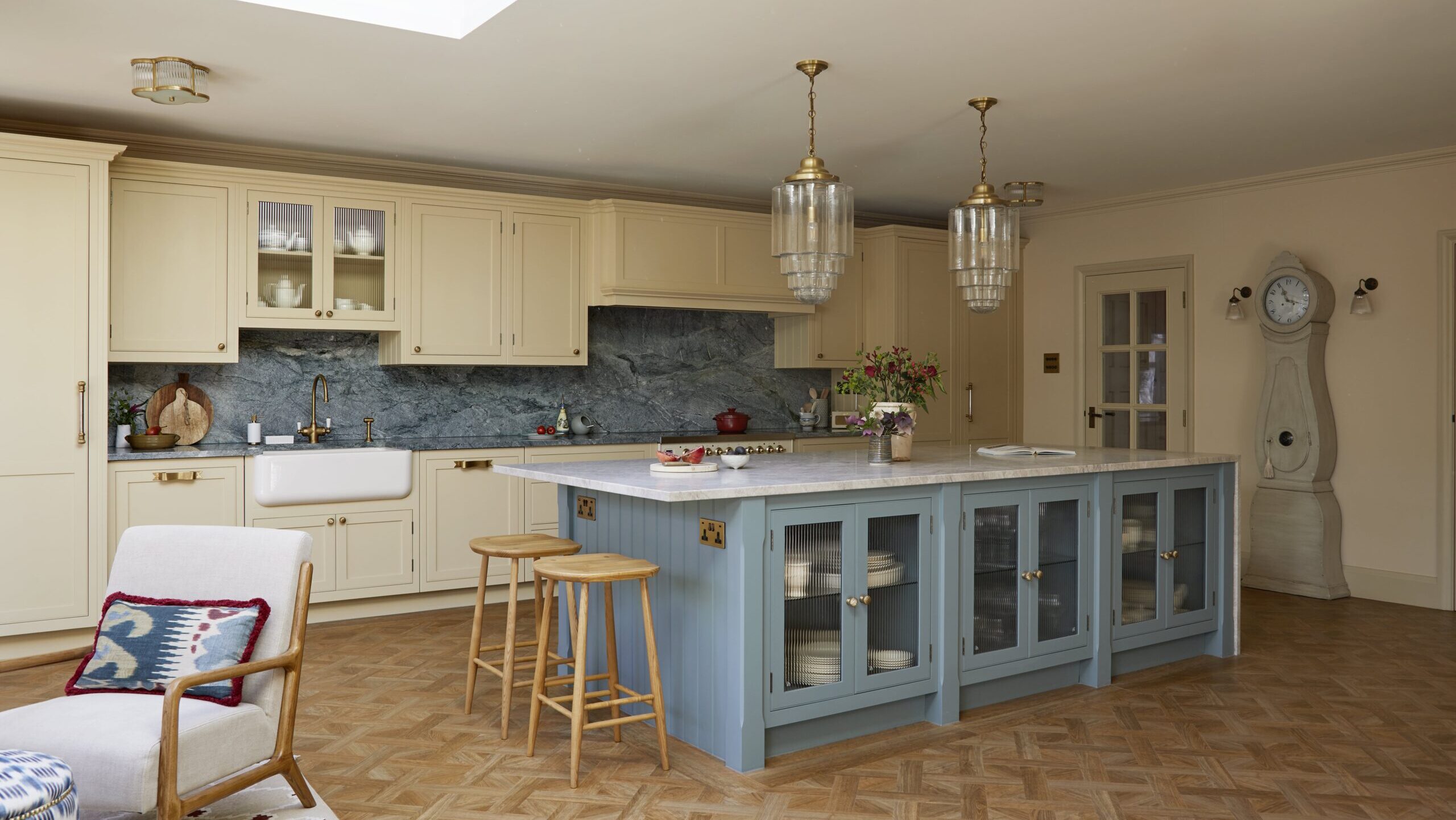
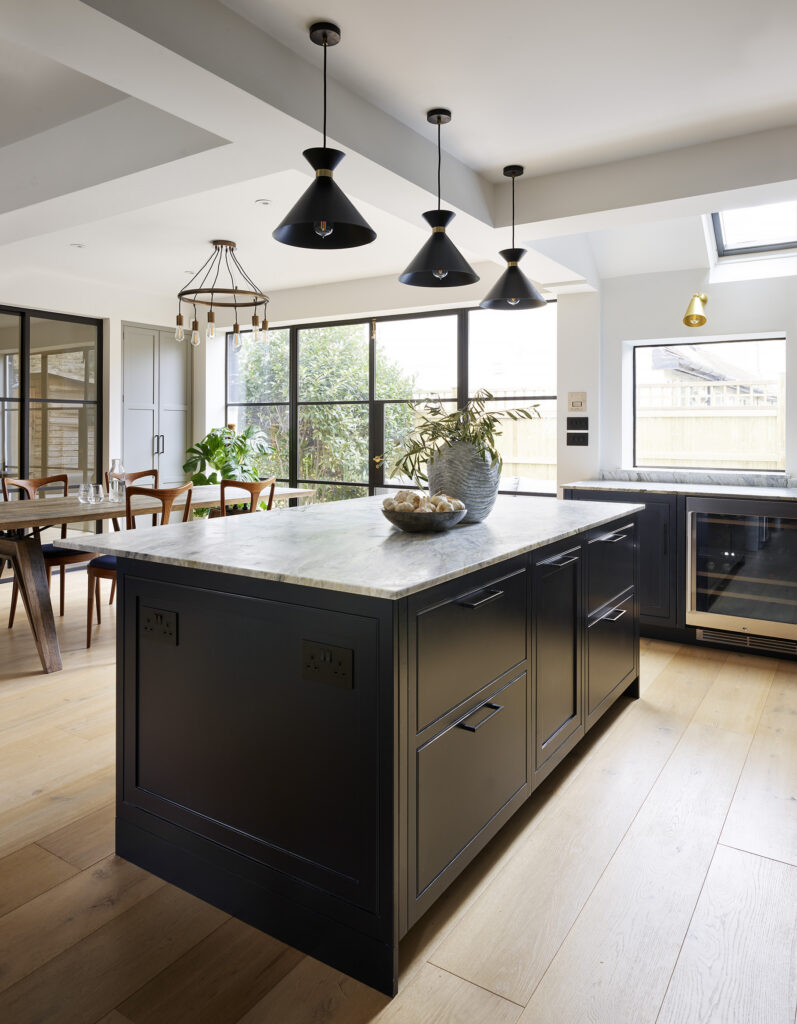
A good halfway option worth considering: use marble in a dedicated zone such as an island surface or baking station where its properties genuinely shine, and choose a more robust material for the rest of the worktop run.
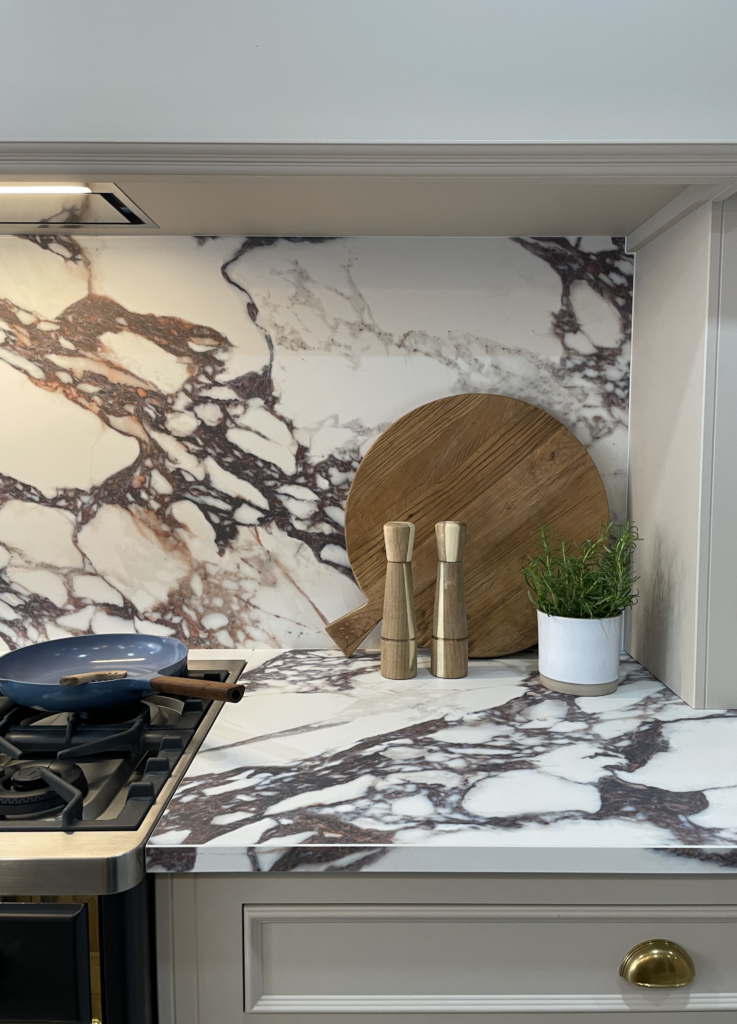
Marble vs Quartz: Which is Better For Kitchens?
This depends entirely on what you prioritise.
Marble offers unmatched natural beauty and unique veining. Quartz offers consistently high stain resistance, requires no sealing and is more forgiving in demanding kitchens. Marble is softer and more prone to etching. Quartz is engineered and therefore more uniform in appearance.
If aesthetics and natural material are your priority in your luxury kitchen and you don’t mind the upkeep, marble wins.
If you want something that performs reliably with minimal intervention, quartz is the more practical choice.
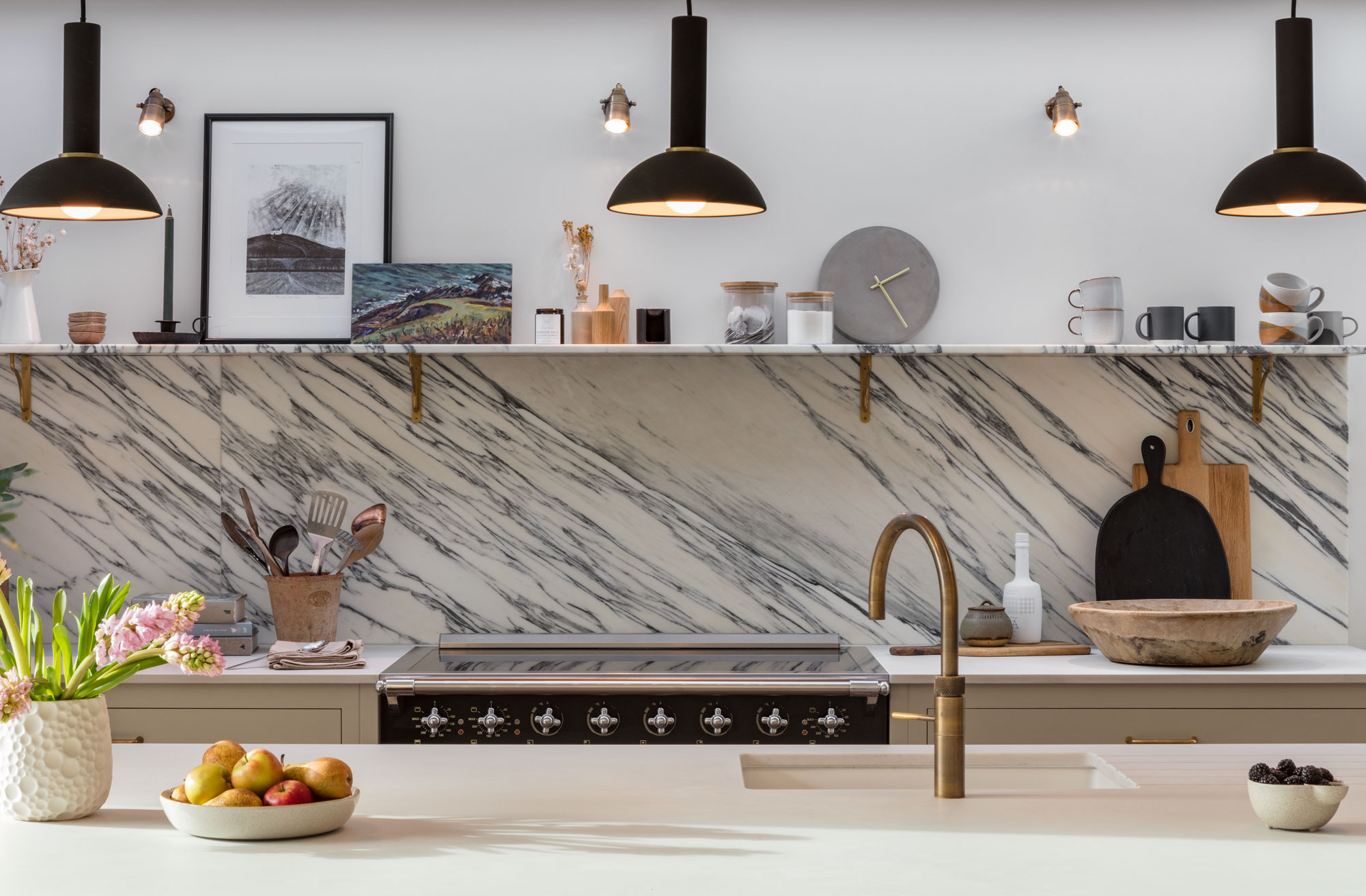
How To Clean and Maintain Marble Countertops
Wipe spills immediately, particularly anything acidic. Use a pH-neutral cleaner rather than standard household sprays, which are often acidic enough to cause etching. Avoid abrasive cloths or scouring pads.
For deeper cleaning, a solution of a few drops of ammonia with half a cup of hydrogen peroxide applied with a cloth can help lift marks. Reseal the surface every six to twelve months using a dedicated stone sealer. If you notice etching developing, a professional polish can often restore the surface.
Avoid placing hot pans directly on marble and use a chopping board rather than cutting directly on the surface. With these habits in place, marble is a very manageable material.
Ready To Explore Your Worktop Options?
The right worktop depends on how you cook, how you live and what matters most to you in a kitchen. Our bespoke kitchen designers work through these decisions with every client, helping you find a combination of materials that is both beautiful and genuinely practical.
FAQs about Marble Countertops
What are the negatives of marble countertops?
The main drawbacks are staining, etching and the maintenance required to manage both. Marble is porous and absorbs liquids if spills are not cleaned immediately. It also etches when it comes into contact with acidic substances, leaving dull patches on the surface. It requires resealing every six to twelve months and is softer than alternatives like granite or quartz, making it more prone to surface scratches.
Is marble good for kitchen countertops?
Yes, marble is an excellent kitchen surface for those who value natural beauty and are prepared to maintain it. It works especially well on islands and baking stations. For very busy, high-traffic kitchens, a lower-maintenance material like quartz may be a more practical choice.
Which is better: quartz or marble?
For low maintenance and high durability, quartz is the stronger performer. For natural beauty and a surface that develops character over time, marble is hard to beat. Many homeowners use both: marble in a focal zone and quartz on the main worktop run.
Are marble countertops heat resistant?
Marble handles ambient heat well and stays naturally cool. However, placing very hot pans directly on the surface can cause discolouration over time. Trivets are recommended for day-to-day use.
Are marble countertops durable?
Yes. A well-maintained marble worktop can last 50 years or more. The trade-off is that it requires more active maintenance than some alternatives to stay looking its best.
Is marble countertop cheaper than granite?
It depends on the variety. Entry-level marbles like Carrara are often comparable to mid-range granite in price. Premium marbles like Calacatta are considerably more expensive. Installation costs for both are similar, as both require careful professional handling.
How do you clean and maintain marble countertops?
Use a pH-neutral cleaner for day-to-day cleaning. Clean up spills immediately. Reseal every six to twelve months. For stubborn marks, a solution of a few drops of ammonia with half a cup of hydrogen peroxide applied with a cloth can help. Avoid abrasive cleaners and acidic household sprays. Use a chopping board rather than cutting directly on the surface.
What are the pros and cons of marble countertops?
The pros: exceptional natural beauty, unique veining, naturally cool surface ideal for baking, long lifespan and a relatively strong sustainability profile. The cons: porous and prone to staining, susceptible to etching from acidic substances, requires regular sealing and is softer than granite or quartz.
Discover real, bespoke kitchen & home inspiration.